The headlines sound like a triumph. A brand-new malaria vaccine is rolling out across Africa, slashing severe infections and saving lives. In places like Cameroon, health clinics are finally seeing a drop in pediatric malaria admissions. But behind the celebratory press releases, there’s a quiet, frustrating crisis unfolding on the ground.
Getting the first shot into a baby’s arm is relatively easy. Keeping them coming back for the next three is proving to be a logistical nightmare. For an alternative look, see: this related article.
The World Health Organization (WHO) is clear: to get robust, long-lasting immunity, children need a four-dose regimen. Yet, across the continent, millions of kids are dropping out before the finish line. If we don’t fix this "dosing gap" quickly, we risk wasting one of the greatest scientific breakthroughs of our generation.
The Drop-Off is Worse Than You Think
Let’s look at the hard numbers, because they paint a stark picture of the challenge. Further insight on this matter has been provided by Psychology Today.
During the pilot programs in Ghana, Kenya, and Malawi, initial enthusiasm was sky-high. Roughly 80% of eligible infants received their first dose, which is administered around six months of age. But by the time the fourth dose—the crucial booster given around the second birthday—came due, coverage plummeted to just 46%.
In Cameroon, which made history by integrating the RTS,S vaccine into its routine immunization program, the drop-off is even more alarming. While first-dose coverage crept up to 68% recently, fourth-dose coverage hovered at a dismal 25%.
[Typical Vaccine Drop-Off in African Rollouts]
Dose 1 (6 months):   ████████████████ 80%
Dose 2:              ██████████████ 70%
Dose 3:              ████████████ 60%
Dose 4 (24 months):  ████████ 25%-46%
Why is this happening? It’s not vaccine hesitancy. Parents in endemic areas see the horrors of malaria every day; they desperately want protection for their kids. The issue is purely practical.
- The Time Gap: The first three doses are given close together (typically at six, seven, and nine months of age). The fourth dose happens over a year later. In that twelve-month gap, life happens. Parents forget.
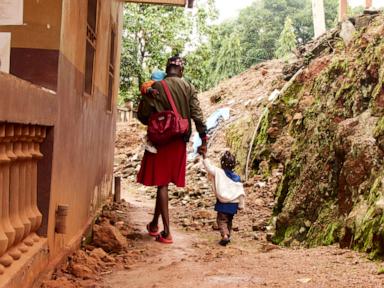
- The Cost of Travel: For a mother living in a rural village, visiting a clinic isn't free. It means paying for a motorbike taxi, losing a day of work, and finding childcare for her other children. Doing that once or twice is manageable. Doing it four times over two years is a massive financial burden.
- System Fatigue: Health workers are overworked, tracking systems are often paper-based, and digital reminders are virtually nonexistent in remote regions.
Why the Fourth Dose is Non-Negotiable
Some argue that three doses are better than nothing. While that's technically true in the very short term, it misses the entire point of how these vaccines work.
Both the RTS,S and R21 vaccines act against Plasmodium falciparum, the deadliest malaria parasite. In clinical trials, three doses offered strong protection for the first year. But that immunity wanes fast.
Without the fourth dose booster, a child’s antibody levels drop rapidly, leaving them highly vulnerable just as they enter their most active toddler years. The booster doesn't just top up their immunity; it locks it in.
If children only receive partial regimens, we aren't just failing to protect them—we are also burning through valuable vaccine supply and international funding with highly diminished returns. Gavi, the Vaccine Alliance, is guaranteeing supplies for lower-income countries, but funding constraints remain tight. We simply cannot afford to waste half-finished vaccine courses.
How to Fix the Dosing Gap
We can't wait for a single-dose malaria vaccine to rescue us; while researchers are working on one, it is still years away from reality. We have to succeed with the tools we have right now.
1. Tie the Fourth Dose to Other Milestones
Children already visit clinics around their second birthday for other critical services, like the second dose of the measles vaccine or vitamin A supplementation. By bundling the malaria booster with these established health milestones, we can piggyback on existing habits rather than trying to build new ones from scratch.
2. Take the Vaccines to the People
If mothers cannot afford to travel to the clinics, the clinics must go to the mothers. Mobile health vans and community health workers delivering doses directly to villages can bypass the transport barrier entirely. It's more expensive upfront, but it's far cheaper than treating severe malaria cases in intensive care later.
3. Deploy Low-Tech SMS Reminders
Simple automated text messages sent to parents' phones as their child approaches the 22-to-24-month mark have been shown to drastically improve return rates for other childhood vaccines. It is a cheap, highly scalable solution that targets the "forgetfulness" factor head-on.
The Next Steps for Global Health Teams
If you're a policymaker, donor, or health organizer, the path forward requires moving away from simply tracking "doses delivered" to tracking "completed regimens."
Start by auditing local clinic records to identify children who missed their third or fourth doses, then deploy community outreach teams to conduct targeted catch-up campaigns. At the same time, we must secure consistent funding pathways to ensure that supply chains remain stable, avoiding the localized stockouts that frequently discourage parents from making the long journey to the clinic.
Getting a vaccine approved was a historic scientific victory. But the real battle isn't happening in a lab. It’s happening on dusty roads, in underfunded clinics, and in the diaries of busy mothers. It’s time to close the gap.