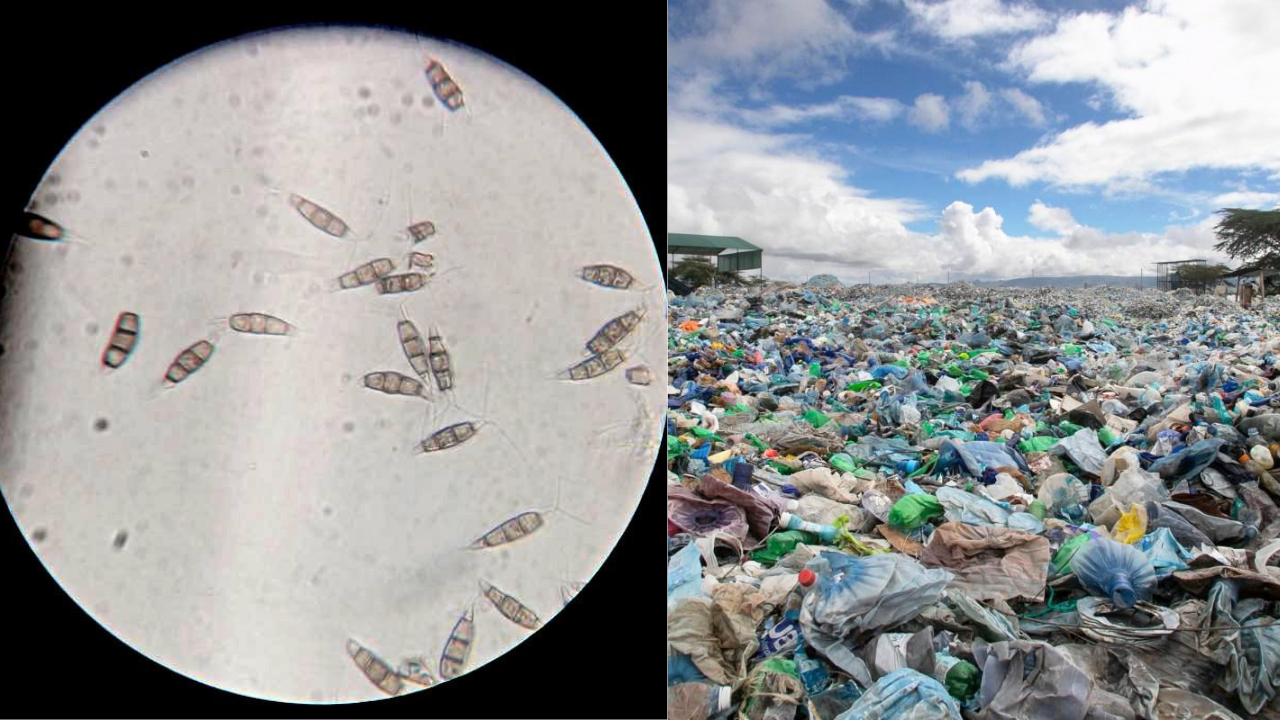
We love a good miracle cure. When news broke that Yale University researchers found a fungus named Pestalotiopsis microspora in the Ecuadorian Amazon that eats polyurethane plastic, the internet did what it always does. People celebrated. Headlines claimed our landfill crisis was practically solved.
It wasn't.
Don't get me wrong. The science behind this discovery is incredible. Yale undergraduates, led by molecular biochemistry professor Scott Strobel, ventured into the rainforest and brought back an organism that does something truly bizarre. It degrades polyurethane, the tough plastic found in everything from synthetic leather to garden hoses. Even better, it does this under anaerobic conditions. That means it doesn't need oxygen to survive. It can thrive buried at the very bottom of a trash heap.
But let's be real about the timeline and the scale. Discovering a biological mechanism in a pristine jungle is a world away from deploying it across millions of tons of municipal waste. If you think this fungus means you can keep buying single-use plastics guilt-free, you're missing the bigger picture.
The Raw Science of Pestalotiopsis Microspora
Most organisms can't touch plastic. The chemical bonds are too strong, designed specifically to resist natural degradation. That's why your old sneakers will outlive your grandkids.
Pestalotiopsis microspora breaks the rules. It secretes an enzyme called a polyurethanase. This enzyme targets the ester bonds in polyurethane, breaking them down into simpler compounds that the fungus then consumes as its primary carbon source. It literally eats trash to live.
The oxygen factor is the real kicker here. Most plastic-degrading microbes discovered so far need plenty of air to do their job. Landfills are notoriously anaerobic environments. Once trash gets compacted and buried under layers of dirt, oxygen drops to near zero. A microbe that requires oxygen is useless at the bottom of a 200-foot-deep landfill. Because this Ecuadorian fungus thrives without air, it can theoretically operate right where the worst of our waste sits.
The Scaling Nightmare Nobody Wants to Talk About
It sounds perfect. Just breed billions of these fungi, dump them into a landfill, and let them chew through the plastic. Right?
Wrong.
Nature doesn't work like an industrial processing plant. In a laboratory setting, researchers isolate the fungus, give it optimal temperatures, control the moisture levels, and feed it pure, uncontaminated polyurethane.
A real landfill is a chaotic mess. It's filled with toxic heavy metals, electronic waste, rotting food, organic matter, and dozens of different types of plastics mixed together. Pestalotiopsis microspora targets polyurethane. It won't do a thing to PET water bottles, HDPE milk jugs, or PVC pipes. Polyurethane is only a fraction of the global plastic footprint.
Then there's the speed. Fungi grow relatively slowly. A colony might take weeks to degrade a small piece of plastic film in a petri dish. Meanwhile, humanity generates hundreds of millions of tons of plastic waste every single year. The math just doesn't add up for a passive landfill solution.
If we want to use this biological tool effectively, we can't just toss it into a garbage dump and walk away. We have to build dedicated bioreactors. These would be massive, controlled facilities where plastic waste is sorted, shredded, pre-treated, and fed to the fungi under strict environmental conditions. That requires massive capital investment, energy, and infrastructure.
Bioremediation is the Future but Expect a Long Wait
We've seen this play out before with other microbes. In 2016, Japanese researchers discovered Ideonella sakaiensis, a bacterium that eats PET plastic. Everyone got excited. Yet, a decade later, we still aren't using bacteria to clear out ocean garbage patches.
Why? Because optimizing these enzymes takes years of genetic engineering. Scientists are currently trying to tweak the genetic code of these organisms to make them produce enzymes faster and withstand higher temperatures.
We also have to consider the ecological risks. Introducing a highly aggressive, genetically modified fungus into a new ecosystem could have unintended consequences. What happens if it escapes a landfill and starts degrading the polyurethane insulation in local underground power cables? Or the waterproofing on boats? Biosecurity is a massive hurdle that requires years of regulatory oversight and testing.
Real Solutions You Can Implement Right Now
Stop waiting for a magical fungus to clean up the planet. The discovery of Pestalotiopsis microspora is a brilliant piece of ecological research, but it's a long-term tool for industrial biotechnology, not a quick fix for consumer waste.
If you want to make an actual impact today, change how you interact with materials.
- Audit your polyurethane consumption. Look at what you buy. Polyurethane is everywhere: memory foam mattresses, synthetic leather jackets, shoes, and certain types of furniture foam. Choose natural materials like wood, wool, cotton, and natural latex whenever possible.
- Support true circular economies. Buy from brands that offer take-back programs or use certified ocean-bound recycled plastics. The less virgin plastic we manufacture, the less we have to figure out how to destroy later.
- Push for industrial composting infrastructure. Many biodegradable bioplastics only break down in industrial composting facilities, not your backyard pile. Advocate for your local municipality to invest in advanced waste processing facilities that can handle complex organic materials.
The Amazon rainforest continues to prove that nature holds the answers to many of our self-inflicted wounds. But relying on a wild fungus to bail us out of a systemic overproduction crisis is lazy thinking. Reduce the waste at the source. The fungi can handle the rest later.