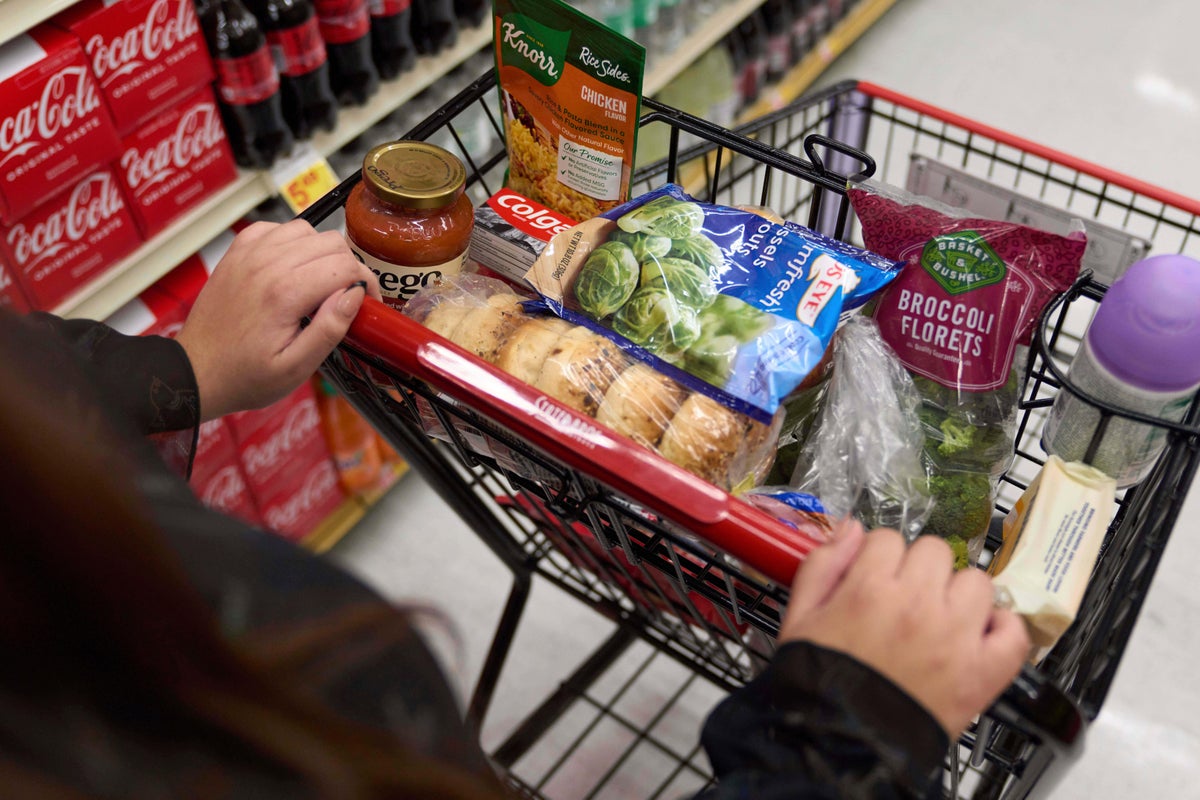
Arkansas isn't waiting around for permission from Washington. Starting July 1, 2026, the state will officially ban the use of Supplemental Nutrition Assistance Program (SNAP) benefits—commonly known as food stamps—to buy candy, soda, and sugary drinks.
The move is a massive gamble. Just last week, U.S. District Judge Amy Berman Jackson threw a wrench into the federal government's broader plans by vacating United States Department of Agriculture (USDA) approvals for identical pilot programs across five other states: Colorado, Iowa, Nebraska, Tennessee, and West Virginia. The judge ruled that the USDA acted outside its legal authority and bypassed its own rules to grant those waivers.
Yet, Arkansas Governor Sarah Huckabee Sanders is moving full speed ahead anyway. The state’s legal team argues that because Arkansas wasn't explicitly named in that specific Washington, D.C. court order, their two-year demonstration project remains perfectly intact. It’s a bold, highly litigious game of chicken with the federal court system.
The Policy Collision Between Food Stamps and Medicaid
The core argument driving this aggressive policy shift isn't just about nutrition; it's about state budgets. Governor Sanders pointed out a glaring systemic contradiction that has plagued government assistance programs for decades. On one floor of the Arkansas Department of Human Services, the state approves millions of dollars in food stamp purchases for junk food. Meanwhile, on another floor of the exact same building, the state’s Medicaid program spends a staggering $300 million annually to treat the chronic illnesses those very products help create.
It's a fiscal loop that Sanders calls completely broken. Hardworking taxpayers are essentially funding the illness and the cure simultaneously.
Arkansas has a massive stake in this fight because its public health metrics are genuinely alarming:
- Obesity Rates: Roughly 40% of adults in the state struggle with obesity.
- Diabetes Crisis: More than one-third of Arkansans have diabetes or pre-diabetes.
- Mortality: The state currently holds the grim title of the second-highest diabetes mortality rate in the nation.
These chronic health issues hit low-income communities the hardest—the precise demographic that relies on SNAP to survive. The state’s new policy wants to break this cycle by fundamentally altering what qualifies as actual "food."
What Exactly is Banned and How Will It Work
If you think this only applies to a standard 12-ounce can of Coca-Cola, you're mistaken. The Arkansas Department of Human Services has drawn a very wide, aggressive boundary around what counts as an "unhealthy beverage."
The ban covers:
- All traditional sodas and soft drinks.
- Low-calorie and no-calorie diet sodas (a detail that has sparked intense debate, since diet drinks don't contain sugar).
- Fruit and vegetable juices containing less than 50% natural juice.
- Ready-made sweetened retail drinks like pre-packaged sweet teas, sugary iced coffees, and commercial energy drinks.
- All varieties of candy.
Grocery stores are the ones stuck with the logistical nightmare of enforcing this change. Cashiers can't just glance at a cart and know if a specialty juice contains 48% or 51% natural juice. To prevent total chaos at the checkout counter, Arkansas hired a third-party vendor to compile a massive, master database of restricted UPC barcodes for retailers to integrate directly into their point-of-sale systems.
For shoppers, the state launched a dedicated mobile application. SNAP recipients can use their smartphones to scan product barcodes right in the grocery store aisles to check eligibility instantly before heading to the register. If a restricted item makes it to the checkout counter, the store's system will flag it, forcing the customer to pay for that specific item out-of-pocket using cash or a separate debit card.
The National Political Battle Line
Arkansas isn't acting in a vacuum. This policy is a crucial state-level victory for the broader federal "Make America Healthy Again" campaign championed by Health and Human Services Secretary Robert F. Kennedy Jr. and Agriculture Secretary Brooke Rollins. Rollins signed off on the Arkansas waiver back in June 2025 after the state submitted its initial request.
While federal officials see this as a common-sense return to the nutritional roots of food aid, food security advocates and retail grocer groups are deeply skeptical. Public health research from institutions like Stanford University suggests that blocking sugary drink purchases could significantly drive down type-2 diabetes and obesity rates over time.
But opposing studies show a completely different reality. Critics argue that placing restrictions on SNAP doesn't magically teach people how to cook healthy meals or give them sudden access to affordable fresh produce in rural food deserts. Instead, they argue it simply shames low-income families at the grocery store while doing very little to change underlying dietary habits. There's also the question of consistency: if soda and candy are banned, why are potato chips, frozen pizzas, and bakery cakes still perfectly eligible?
Actionable Next Steps for Retailers and Residents
The transition will be jarring, and waiting for a potential lawsuit to stall the program is a bad strategy. Take these concrete steps immediately to prepare for the July 1 rollout.
For SNAP Recipients in Arkansas
- Download the DHS Scanner App: Go to the Apple App Store or Google Play Store and download the official Arkansas Department of Human Services SNAP app right now. Don't wait until you're standing in a busy checkout line to figure out how it works.
- Audit Your Grocery Lists: Review your usual household staples. If you rely on fruit punches, energy drinks, or sweet teas, look for alternatives that feature a "100% Juice" label or plan to allocate cash to cover those items.
- Check Your Summer EBT Benefits: Be aware that these exact same restrictions apply to Summer EBT cards issued to families with school-aged children.
For Arkansas Grocery Retailers
- Sync the Master UPC Database: Ensure your IT and point-of-sale vendors have fully integrated the state-provided third-party database of banned items into your register software before Wednesday morning.
- Train Front-Line Cashiers: Run a brief training session for checkout staff. They need to know how the system will automatically split transactions and how to handle customer friction calmly when an EBT card rejects a restricted beverage.
- Update Aisle Signage: Place clear, simple signage near the soda and candy aisles reminding customers of the new state policy to minimize confusion at the front of the store.