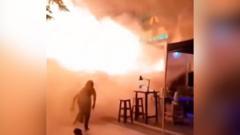
The horrific video footage circulating online tells a terrifying story. A sudden explosion, thick black smoke, and then a horizontal jet of fire tearing straight through the front entrance of a crowded nightlife venue. Patrons stumbled out into the street, some with their clothes literally burning, while onlookers scrambled to throw jackets over the flames eating at their skin.
This wasn't an unpredictable act of nature. It was a failure of basic safety infrastructure.
On July 13, 2026, a massive blaze tore through the Rong Beer Na Lat Phrao beer hall in the Chatuchak district of northern Bangkok. The tragedy left at least 27 people dead—nine men and 18 women—and dozens more hospitalized, with 22 individuals fighting for their lives in critical condition. While short news broadcasts focus on the shock value of the viral evacuation footage, they skip the real issue. The high body count did not happen because a fire broke out; it happened because the building turned into a literal death trap within seconds.
The lethal anatomy of the Rong Beer Na Lat Phrao disaster
To understand why this tragedy escalated so rapidly, you have to look at the timeline and the structural environment of the venue. The establishment was packed with customers late Sunday night. According to surviving band members and witnesses, the lights suddenly flickered and went out near the front stage around 11:30 PM.
Seconds later, a loud pop echoed through the room.
A musician who was performing at the time stated that a fire erupted near the main electrical cut-out switch and an overhead air conditioning unit. Because the venue used highly flammable acoustic insulation and decorative materials across its ceiling, the fire did not stay contained to the stage area. It raced across the top of the room, cutting off oxygen and dropping thick, toxic smoke onto the crowd below.
When the fire hit the front entrance, the rush of oxygen created a backdraft effect. This caused the massive horizontal plume of fire seen in the viral videos, trapping everyone else who remained inside.
Trapped in the dark by locked emergency exits
The most devastating detail of this disaster lies at the back of the building. Emergency personnel moving through the blackened interior found the majority of the deceased grouped together inside the venue's bathrooms.
Why did so many people flee into a bathroom during a fire? They were looking for a way out.
When the fire broke out at the front stage, it naturally pushed the panicked crowd toward the rear of the building. Survivors expected to find a clear, functioning fire escape. Instead, they encountered a chaotic structural layout with zero visibility. In the dark, smoke-filled room, many patrons missed the exit entirely and pushed into the restrooms, hoping for safety or a window.
They found neither. They died of smoke inhalation within minutes.
Worse still, those who actually managed to locate the designated emergency exit found it completely useless. During an on-site inspection on Monday morning, Thai Prime Minister Anutin Charnvirakul openly questioned first responders about why the rear doors failed to save lives. A firefighter confirmed on recorded video that the emergency exit was locked tight with two heavy bolts.
Locking emergency exits to prevent patrons from slipping out without paying or to control venue access is a common, reckless practice in poorly managed bars. In this case, those two metal bolts cost 27 people their lives.
A repeating cycle of lax enforcement in Thai nightlife
If this narrative sounds familiar, it is because Thailand has seen this exact scenario play out before. The country's tourism and nightlife sectors attract millions of visitors every year, yet enforcement of fire codes remains notoriously inconsistent.
Look at the historical precedents:
- In August 2022, a fire at the Mountain B pub in Chonburi province killed 26 people under almost identical circumstances: flammable acoustic foam, a lack of functional exits, and electrical failures.
- On January 1, 2009, the infamous Santika Nightclub fire in Bangkok killed 66 New Year's Eve revelers because of indoor pyrotechnics, overcrowding, and locked exit doors.
Every single one of these disasters follows the same blueprint. A venue operates under a standard restaurant license to bypass strict nightclub safety regulations. They pack the interior with cheap, non-fire-retardant soundproofing foam to keep the noise from bleeding into the surrounding neighborhood. They lock the side doors for administrative convenience. Then, a minor electrical short circuit turns into mass casualty news within thirty minutes.
Bangkok Governor Chadchart Sittipunt noted that investigators are analyzing the specific ceiling panels used at Rong Beer Na Lat Phrao. Bangkok authorities have ordered a 30-day closure of the building, and promised strict legal action against the owners if building code violations are proven. But local patrons remain skeptical that these temporary crackdowns will yield long-term systemic change.
Immediate safety steps you must take when entering any venue
You cannot always rely on local municipal inspections or bar owners to guarantee your physical safety. When you go out to a crowded bar, pub, or concert hall, you need to take personal responsibility for your own evacuation strategy.
Do not wait for an emergency to figure out how to survive.
Locate two distinct paths to the outside
When you walk into a venue, do not just look at the bar or the stage. Take five seconds to look around and find at least two exits. If the main entrance gets blocked by a fire or a crowd surge, you need an alternative path. If you only see one visible exit, you are in a high-risk environment.
Physically check the emergency doors
If you are sitting near a rear exit or a door marked with an exit sign, take a glance at the hardware. Is it chained shut? Does it have padlocks or slide bolts engaged? If you notice an exit is blocked by stock boxes, stage equipment, or literal locks, raise the issue with management immediately or leave the establishment.
Watch for dangerous interior setups
Avoid venues that rely heavily on exposed foam insulation, low ceilings covered in fabric, or tightly packed tables that leave no clear pathways. If a room feels claustrophobic when it is empty, it will be impassable when hundreds of panicked people are pushing toward the same exit in complete darkness.
The tragedy in Chatuchak is a stark reminder that safety regulations are written in blood. Until local enforcement holds venue operators fully accountable with unannounced inspections and severe criminal penalties for bolted exits, the responsibility falls squarely on us to stay alert and walk away from high-risk spaces.