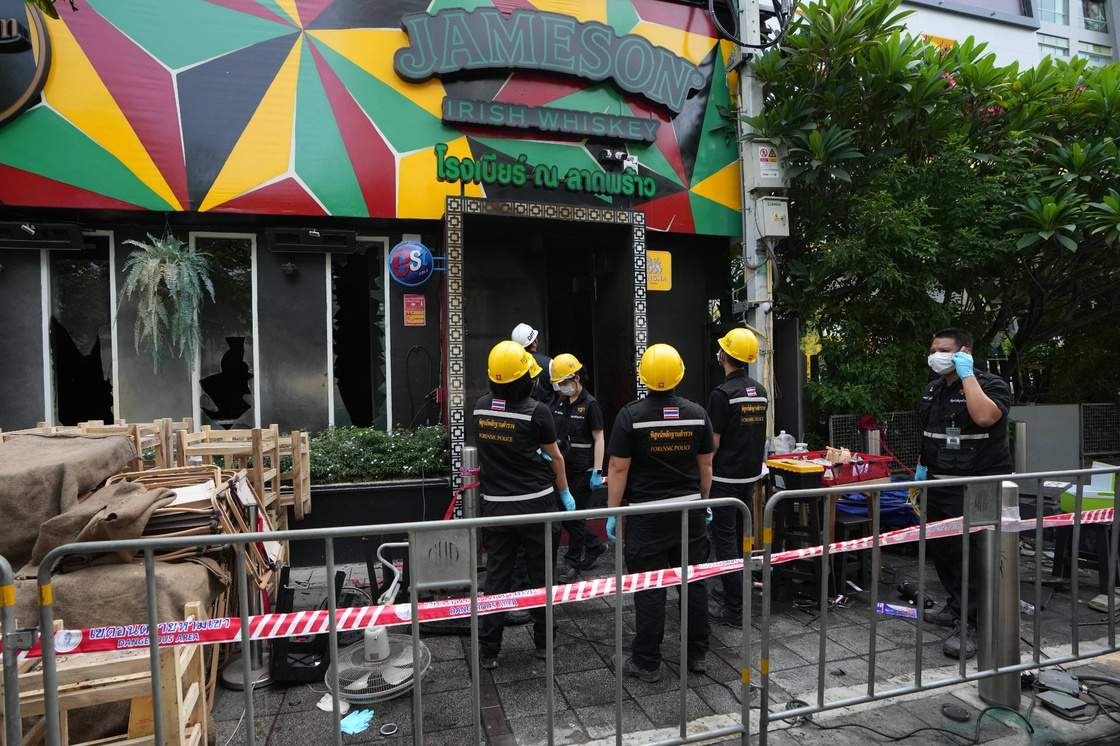
Walking into a crowded live music venue shouldn't be a gamble with your life. Yet, just before midnight on a Sunday, the Rong Beer Na Lat Phrao pub in northern Bangkok became a horrific trap. An explosive fire tore through the popular venue, killing at least 27 people and leaving dozens more fighting for their lives in local hospitals.
It's the kind of disaster that leaves you angry because it didn't have to happen. The initial details coming from Thai authorities show a familiar, frustrating pattern of blocked exits, highly flammable materials, and regulatory oversight that exists only on paper. If you think this was just a freak accident, you're missing the bigger, much uglier picture of nightlife safety.
The Midnight Chaos at Rong Beer Na Lat Phrao
The Thai band Tossakan was on stage playing to a packed house when the nightmare started around 11:57 PM. Witnesses reported smelling something burning right before the stage lights flickered and died. A sudden pop from a ceiling air conditioning unit signaled a catastrophic electrical short circuit.
Within seconds, an explosion shattered the darkness. Thick, toxic smoke flooded the room immediately. The fire didn't just crawl; it raced across the ceiling. That's because the venue used cheap foam material for soundproofing. Instead of dampening the sound safely, the foam acted like solid gasoline, melting and raining fire down on the screaming crowd below.
The lead singer of Tossakan didn't make it out. The band's bass player, Anan Prasert, managed to escape through the front entrance with minor burns. He recalled a pitch-black room where people were knocked to the floor, desperately inhaling smoke instead of oxygen.
The Deadly Trap at the Back Doors
When a fire starts near the stage at the front of a venue, human instinct tells you to run the other way. That's exactly what most of the victims did. They flooded toward the back of the building, aiming for what they hoped would be a safe exit.
They found a wall instead.
Emergency responders and firefighters found a grim scene in the windowless bathrooms near the rear. Dozens of people had crowded into the stalls to escape the heat, only to choke to death on smoke.
Bangkok Governor Chadchart Sittipunt later confirmed that the venue technically had fire exits, but they were useless during the actual emergency. One rear door near the kitchen was completely blocked by stacked beer crates. Another exit route was obstructed by heavy tables and even a candy stand set up in the main hall. When the lights went out and panic took over, these everyday objects became lethal barricades.
Firefighters arriving on the scene within five minutes couldn't even enter through the front. A massive horizontal plume of fire was jetting out of the main doorway. The heat was too intense, and the interior layout was an obstacle course of tightly packed tables and chairs.
A History of Unlearned Lessons
This isn't an isolated tragedy. Anyone familiar with Thailand's nightlife knows this script has been played out before.
In 2022, a remarkably similar fire at the Mountain B nightclub in Chonburi province killed 26 people. The culprits then were the same: flammable acoustic foam, a lack of clear exits, and locked doors. Go back even further to 2009, and you have the infamous Santika Club fire in Bangkok, which claimed 66 lives during a New Year's Eve celebration.
The pattern is glaringly obvious. Venues pass initial safety inspections to get their operating licenses. Then, managers add extra tables, block paths to optimize space, or install cheap renovations without thinking about fire dynamics. Governor Chadchart admitted to reporters that the conditions during an official inspection are rarely the same as during actual daily operations.
We see the same regulatory failure over and over. Authorities promise crackdowns, inspectors write reports, and yet the fundamental issues remain unaddressed until the next tragedy occurs.
The Harsh Reality of Smoke Inhalation
Most people assume that flames pose the biggest threat in a building fire. The data from the Bangkok disaster tells a different story. Smoke, not heat, killed the majority of the 27 victims.
Acoustic foam made from polyurethane releases highly toxic gases like hydrogen cyanide and carbon monoxide when it burns. Inhaling these gases can knock a person unconscious in less than a minute. When you couple that toxicity with zero visibility from thick black smoke, finding an unmarked, obstructed exit in the dark becomes virtually impossible.
Emergency worker Chakrit Khongkom described entering the building with an oxygen mask and seeing victims piled near the toilets. They weren't badly burned; they had simply run out of air while trying to find a way out of the back of the building.
How to Protect Yourself in a Crowded Venue
You can't rely solely on city inspectors to keep you safe when you go out. You need to take control of your own safety the moment you step through the door of any bar, club, or concert hall.
- Locate two exits immediately. Don't just look at the main entrance you walked through. Scan the room for the green exit signs.
- Check for obstructions. If you see a fire door chained shut, blocked by boxes, or hidden behind a curtain, leave the venue. It's not worth the risk.
- Look at the ceiling. If you see exposed, cheap-looking foam panels glued to the walls or ceiling near a stage with heavy lighting equipment, your safety alarm bells should be ringing.
- Have an escape plan. Tell the people you're with exactly where you will meet outside if things go wrong. Don't waste critical seconds searching for each other in a dark, smoke-filled room.
Immediate Action for Venue Operators
If you run a hospitality business, the Bangkok tragedy should serve as a blunt wake-up call. Stop treating fire safety as a bureaucratic checklist and start treating it as a daily operational requirement.
- Clear every exit path today. Walk through your venue right now. Move the extra chairs, the inventory boxes, and the promotional signs away from every single doorway.
- Inspect your electrical systems. Hire a certified electrician to check your stage wiring, circuit breakers, and heavy-duty air conditioning units. Overloaded circuits are the leading cause of commercial fires.
- Train your staff on evacuation protocols. Your bartenders and security team need to know how to direct a panicked crowd, how to use fire extinguishers, and how to manually override electronic door locks if the power fails.
- Replace flammable materials. If you used cheap acoustic foam to soundproof your space, tear it down. Invest in fire-rated, treated materials that won't turn into a toxic rainstorm if a spark hits them.
The families of the 27 people who died in Lat Phrao deserve real accountability, not just thoughts and prayers from politicians. True safety requires continuous enforcement, strict penalties for venue owners who block exits, and a refusal to cut corners when lives are on the line.