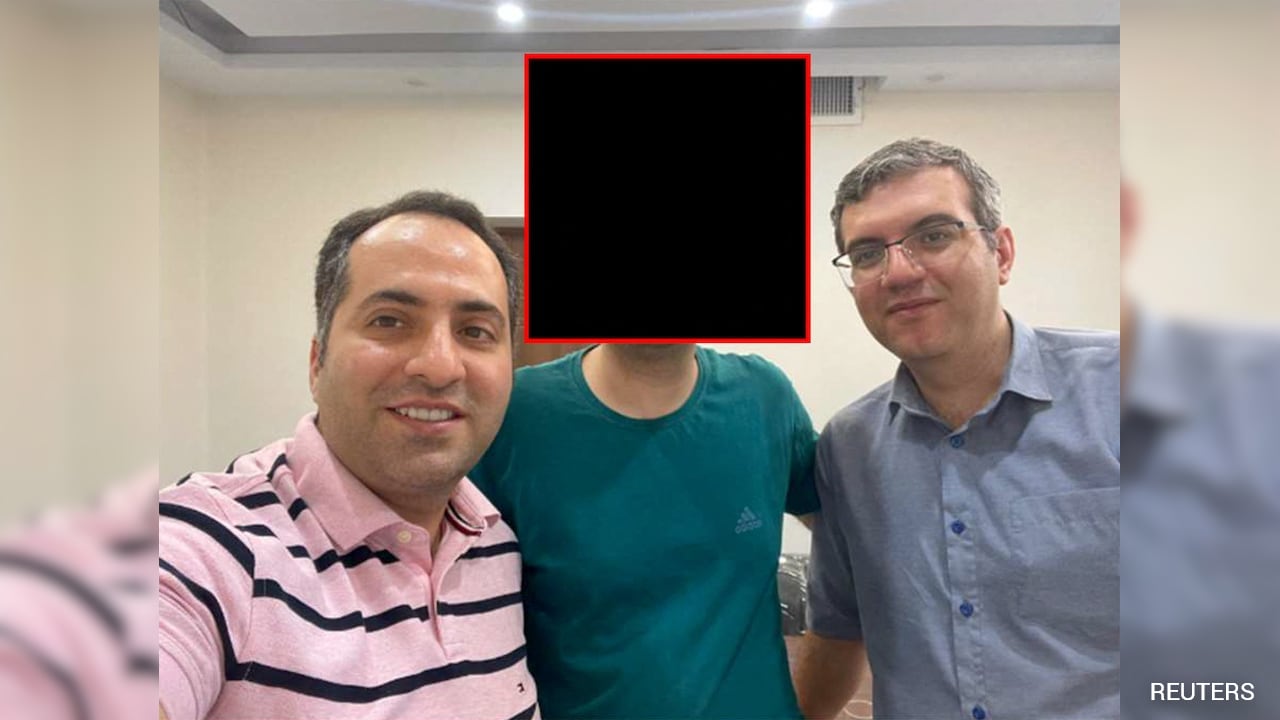
When a federal jury found an Iranian-American engineer guilty of exporting technology to Iran on July 13, 2026, it sent a shockwave through the high-tech sector. It wasn't just because of the geopolitical drama, though there is plenty of that, complete with prisoner swaps, military drones, and international front companies. It's because the case of Mahdi Mohammad Sadeghi shows how easily a career can evaporate when you try to walk the line between corporate loyalty and homeland ties.
Sadeghi was a respected, 43-year-old naturalized US citizen and father of two living in Natick, Massachusetts. He had a good job at Analog Devices, a global leader in semiconductor technology. By all accounts, he was on his way up. Now, he faces a potentially massive prison sentence after a Boston jury convicted him on three federal counts, including conspiracy to violate US sanctions.
His defense argued he was just giving friendly advice. The federal government saw it as a deliberate effort to supply the Iranian military machine with restricted American microchips. The truth lies in the paper trail, and it serves as a stark warning for anyone working in the tech sector today.
The Illusion of Just Helping a Friend
Federal prosecutors laid out a story that started with a personal connection. Sadeghi's co-defendant, Mohammad Abedini, ran a Tehran-based company called San'at Danesh Rahpooyan Aflak Co, or SDRA. SDRA isn't just any company; it builds navigation systems used in military drones, including those operated by Iran's Revolutionary Guard.
Sadeghi wanted to help his friend get business with Analog Devices. To do this, they couldn't just ship chips directly to Tehran. That would immediately trigger compliance red flags. Instead, prosecutors proved that Sadeghi recommended using a Swiss-based front company that Abedini had set up in 2019.
Analog Devices shipped high-end sensors and electronic parts to Switzerland, thinking they were doing business with a legitimate Swiss firm focused on motion-tracking technology. In reality, those parts were immediately funneled to Iran.
During the trial, Sadeghi’s defense lawyer tried to paint this as a normal business arrangement. He argued that the Swiss firm was a real business and that Sadeghi never personally procured the parts. He claimed Sadeghi had "nothing to gain and everything to lose". It’s a compelling argument on the surface. Why would a successful engineer risk his family, his home, and his freedom for no financial gain?
But prosecutors had a devastating counterpoint. They produced text messages, emails, and photos from Sadeghi's own phone. In writing, Sadeghi explicitly acknowledged what Abedini was doing with the technology. He knew where those sensors were going, and he helped anyway.
In the eyes of federal law, you don't need to make millions to be guilty of conspiracy. The simple act of knowingly facilitating the bypass of export regulations is enough to put you behind bars.
The Shadow of the Jordan Drone Attack
What made this trial incredibly tense was the geopolitical backdrop. Sadeghi was arrested in December 2024. His trial took place during a period of open, heightened conflict involving Iran.
Worse, prosecutors wanted to introduce evidence linking the technology Sadeghi exported to a specific tragedy. In January 2024, an Iranian-made military drone struck a remote US military outpost in Jordan, killing three American service members and wounding dozens more. The navigation system in that very drone was allegedly made by Abedini's company, SDRA.
Abedini himself was arrested in Italy on a US warrant in late 2024 but was released in early 2025 in a highly publicized prisoner exchange for an Italian journalist. He returned to Iran, leaving Sadeghi to stand trial alone.
The prosecution desperately wanted the jury to hear about the Jordan attack. They argued it showed the real-world consequences of Sadeghi's actions. But US District Judge Indira Talwani stepped in. She ruled that introducing the details of the Jordan attack would cause "unfair prejudice" because there was no direct evidence Sadeghi knew his specific chips were used in that exact drone.
The jury only heard general evidence about SDRA’s military applications. Even without the emotional weight of those three dead American soldiers, the paper trail was too strong. The jury deliberated for four days before returning a guilty verdict on three of the five charges.
The Trap of Dual Use Technology
Most people think of weapons as guns, missiles, and bombs. They don't think of a tiny, silicon sensor manufactured in a cleanroom in Massachusetts.
But modern warfare relies heavily on "dual-use" technology. These are commercial items that have legitimate civilian uses but can also be integrated into weapons systems. A sensor used to stabilize a smartphone camera can also stabilize the flight path of a suicide drone.
This is where many tech workers get themselves into deep trouble. They assume that because they aren't working on classified military hardware, the rules don't apply to them. They think they're just selling commercial electronics.
The US government doesn't care if the chip can be used in a commercial toy. If it has high-performance specifications that fall under export control lists, shipping it to a sanctioned nation without a license is a major federal crime. The International Emergency Economic Powers Act (IEEPA) gives the government sweeping authority to regulate and punish these transfers. Sadeghi’s conviction proves that the Department of Justice is willing to go after the individual facilitators, not just the corporate entities.
The Compliance Lessons Every Tech Employee Must Learn
If you work in engineering, sales, or logistics at a technology firm, you cannot afford to ignore export compliance. It's easy to dismiss these rules as bureaucratic red tape, but violating them will destroy your life.
Do not offer side advice on sourcing
If a friend or former colleague from a restricted country asks how to acquire your company's products through third parties, walk away. Suggesting alternative distributors, advising them on how to set up purchasing entities, or explaining how to write invoices to avoid compliance checks makes you a co-conspirator.
The Swiss or Dubai middleman is a classic red flag
If a buyer is located in a neutral country like Switzerland, the UAE, or Turkey, but their technical questions or business relations point back to a restricted country like Iran, Russia, or China, you must report it to your internal compliance team. Turning a blind eye because "the paperwork says Switzerland" will not protect you when federal agents show up with a search warrant.
Written records are permanent
Sadeghi’s downfall was his own digital footprint. Do not assume that private messaging apps or deleted emails protect you. When federal investigators seize a device, they have forensic tools that can recover almost anything. If you write down that you know a customer is trying to bypass a sanction, you have just signed your own confession.
Motive is irrelevant to the law
The defense's argument that Sadeghi didn't profit from the arrangement is a common misconception. You don't have to get rich to commit export fraud. Helping a friend, wanting to maintain a business relationship, or simply trying to close a sale are not legal excuses. The law cares about the act of facilitation, not whether you bought a yacht with the proceeds.
What Happens Next
Sadeghi remains free on bail for now, with his sentencing scheduled for October 13, 2026. He has already lost his job, his professional reputation is ruined, and he faces years in federal prison.
This case is a sobering reminder that export compliance is not just a corporate problem. It is an individual responsibility. The US government is increasingly targeting the human links in illegal supply chains. If you find yourself tempted to help a contact bypass corporate compliance controls, remember Mahdi Sadeghi standing in a Boston courtroom, watching his American dream turn into a federal nightmare. Protect yourself by keeping your business dealings strictly transparent and reporting any attempts to skirt export laws immediately.