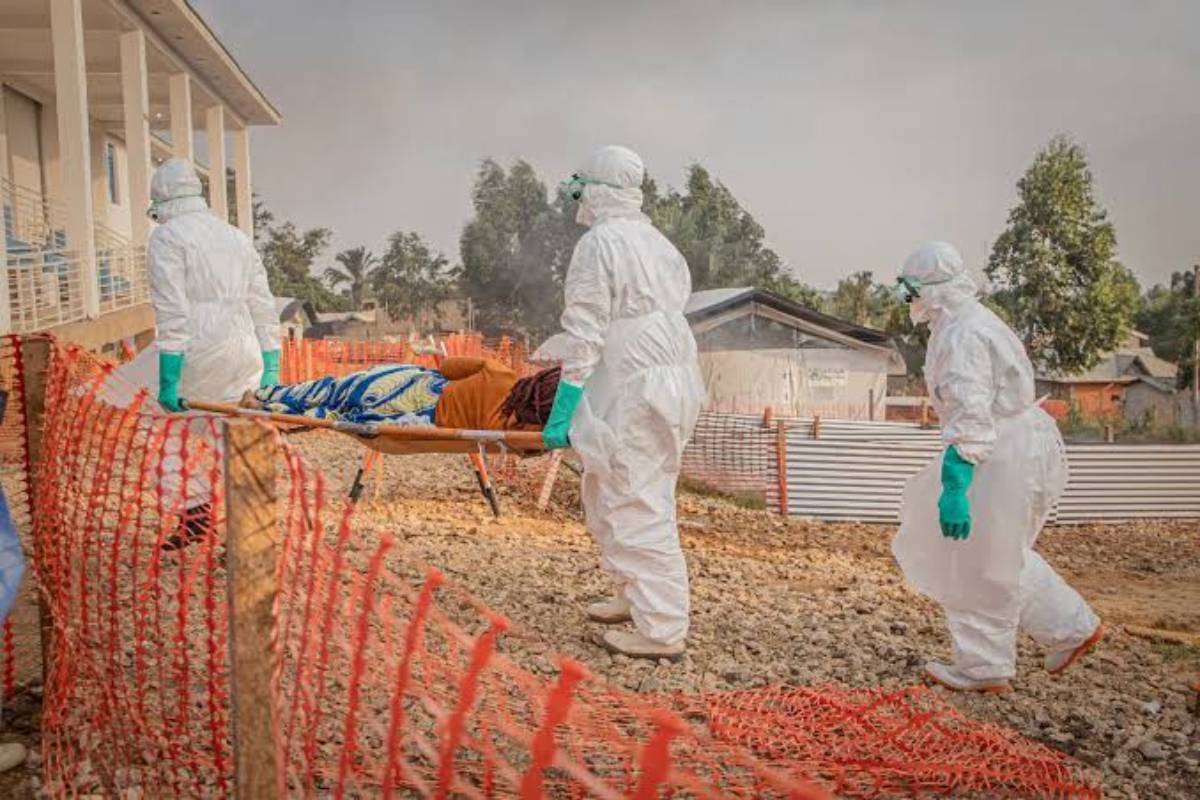
The Democratic Republic of the Congo faces its fastest-growing Ebola outbreak on record. With over 1,830 confirmed cases and 648 deaths reported by health authorities, the virus is moving rapidly through eastern province communities. The official confirmation that an American humanitarian aid worker recently tested positive for the virus—the second U.S. citizen infected since May—has brought renewed global attention to a crisis that has been quietly spiraling for months.
The speed of this outbreak catches many off guard because it isn't driven by the familiar Zaire ebolavirus strain. Instead, health teams are fighting the rare Bundibugyo virus, a strain with zero approved vaccines or tailored antiviral treatments. Add an active armed conflict, deep public mistrust, and severely under-resourced medical facilities, and you get a perfect storm for viral spread.
Understanding what is happening on the ground requires looking past headline statistics and examining why containment efforts are falling short.
The Reality Behind the Numbers
The official tally of 1,830 cases and 648 deaths in Congo paints a grim picture, but experts on the ground know the true numbers are higher. In rural mining hubs like Mongbwalu in Ituri province, many sick individuals never reach a clinic. They stay home, cared for by family members who lack basic infection control training or personal protective equipment.
The current crisis began well before its official declaration on May 15. The first recorded death occurred in late April in Bunia, but local clinics initially tested samples for the common Zaire strain. Those tests came back negative. By the time lab workers identified the Bundibugyo strain weeks later, the virus had already established silent transmission chains across multiple health zones and crossed into neighboring Uganda.
Late detection gives Ebola a head start. Every day a patient goes undiagnosed in a community setting means multiple secondary exposures among family, caregivers, and local healthcare staff.
Why the Bundibugyo Strain Changes Everything
Public health agencies have spent years building stockpiles of Ebola vaccines like Ervebo. Those vaccines work exceptionally well against the Zaire strain, which caused the massive West Africa outbreak between 2014 and 2016 and subsequent major Congolese outbreaks.
They do not work against Bundibugyo.
The Bundibugyo virus is one of six known species within the Orthoebolavirus genus. It was first identified during a 2007 outbreak in western Uganda and re-emerged briefly in 2012 in Congo's Isiro district. Because outbreaks of this specific strain are rare, pharmaceutical companies and research institutions haven't historically prioritized manufacturing dedicated vaccines or monoclonal antibody treatments for it.
Current Clinical Realities
Doctors in eastern Congo are forced to rely almost entirely on supportive care. That means focusing on core medical management:
- Aggressive intravenous rehydration to combat fluid loss from severe diarrhea and vomiting
- Electrolyte balancing to prevent kidney failure and cardiac arrest
- Symptom management using pain relievers and anti-nausea medications
- Immediate treatment of secondary bacterial infections
While clinical trials for candidate treatments have finally begun in field hospitals, medical teams are largely fighting a high-mortality pathogen with basic medical supplies.
The U.S. Citizen Cases and International Impact
The infection of an American humanitarian worker confirmed by the Centers for Disease Control and Prevention (CDC) highlights the constant danger facing frontline staff. This worker was helping organize aid logistics in an affected health zone when symptoms emerged. CDC teams and international partner organizations are conducting contact tracing to isolate anyone who came into direct contact with the individual.
This isn't the first American impacted in this specific wave. Back in May, an American doctor operating in eastern Congo contracted the virus during the opening weeks of the response. That physician was medically evacuated to a specialized isolation facility in Germany, spent weeks in intensive care, recovered, and safely returned home to the United States in June.
These cases draw international headlines, but they also highlight a major disparity in treatment access. Foreign aid workers often have access to high-level isolation transport and intensive care facilities abroad. Local Congolese health workers, who represent a high percentage of total infections and fatalities, must fight the infection in under-equipped local field centers where personal protective gear is frequently in short supply.
Conflict and Displacement Break Transmission Control
Medical responses rely on three pillars: isolating symptomatic patients, tracing contacts, and conducting safe, dignified burials. Eastern Congo's ongoing security crisis makes executing any of those pillars extremely dangerous.
Decades of armed conflict involving dozen militia groups have displaced millions of people across Ituri and North Kivu provinces. Displaced families live in crowded makeshift camps where sanitation is poor and clean water is scarce. When violence erupts near a town, residents flee into surrounding forests or neighboring towns, unintentionally bringing the virus with them to areas without active health monitoring.
Medical teams face direct threats. Health centers have been attacked, vehicles ambushed, and health workers targeted due to rampant misinformation. In many communities, rumor networks spread claims that response workers are introducing the virus for financial gain. When community trust breaks down, families hide sick relatives from medical teams, allowing transmission to continue unchecked in private homes.
Key Misconceptions About the Outbreak
Misinformation spreads as quickly as the virus itself during health crises. Clearing up common misunderstandings helps put the current situation into proper context.
Myth 1: Existing Ebola Vaccines Provide Protection
Many assume that the successful vaccination campaigns seen in recent years can simply be deployed here. Standard Ebola vaccines offer no protection against the Bundibugyo strain. Response teams cannot rely on ring vaccination strategies until new candidate formulas pass safety and efficacy testing.
Myth 2: The Outbreak Is Contained to Remote Jungles
While the outbreak began in gold mining regions, it quickly spread to urban transit centers like Bunia. High population mobility, trade routes, and border traffic mean urban centers are actively affected, making contact tracing significantly harder.
Myth 3: Global Risk to North America and Europe Is High
Despite infections among international aid workers, the risk of a widespread outbreak in developed nations remains very low. Ebola spreads through direct contact with infectious bodily fluids (blood, vomit, feces), not through casual airborne exposure. Border screening protocols, contact tracing mechanisms, and advanced isolation facilities in developed nations easily contain isolated imported cases.
Practical Measures to Take Right Now
For organizations, aid personnel, and individuals operating in or near impacted regions in Central Africa, waiting for new vaccines isn't an option. Concrete, actionable steps must be implemented immediately to reduce exposure risk.
- Enforce Strict Infection Protocols: Any health worker or humanitarian staff member in eastern Congo must treat all acute febrile illnesses as potential Ebola cases until lab results confirm otherwise. Use full personal protective gear including double gloves, fluid-resistant gowns, face shields, and N95 respirators.
- Implement Immediate Isolation: Isolate anyone presenting with sudden fever, muscle pain, intense weakness, severe headache, or gastrointestinal symptoms immediately. Do not wait for lab confirmation to separate symptomatic individuals from general waiting areas.
- Establish Strict Fluid Control: Direct contact with blood, vomit, sweat, or feces presents the highest infection risk. Disinfect contaminated surfaces with freshly prepared 0.5% sodium hypochlorite (bleach) solution.
- Rethink Funeral and Burial Practices: Traditional mourning practices that involve washing or touching deceased individuals carry an extreme infection risk, as viral loads are highest at or immediately after death. Engage local community leaders and religious figures to adapt traditions into safe, contact-free burial procedures.
- Monitor Symptoms for 21 Days: Anyone returning from active health zones in DRC or neighboring border areas of Uganda must self-monitor for symptoms for a full 21-day incubation period. Seek immediate isolation and contact public health authorities at the first sign of fever.
Action Plan for Response Teams and Field Workers
- Verify Travel Advisories: Review the latest CDC Level 3 travel notices before entering eastern Congo or border districts of Uganda.
- Secure Reliable Evacuation Logistics: Aid organizations operating in high-risk zones must pre-arrange emergency medical transport agreements that specifically account for viral hemorrhagic fever protocols.
- Engage Local Community Leaders First: Health workers entering new villages must meet with local elders, church leaders, and youth organizers before setting up testing or isolation tents to build trust and counter misinformation.
- Report Exposures Immediately: Any accidental exposure to bodily fluids or needle-stick injuries must be reported to health logistics officers within one hour to initiate emergency protocols and baseline monitoring.