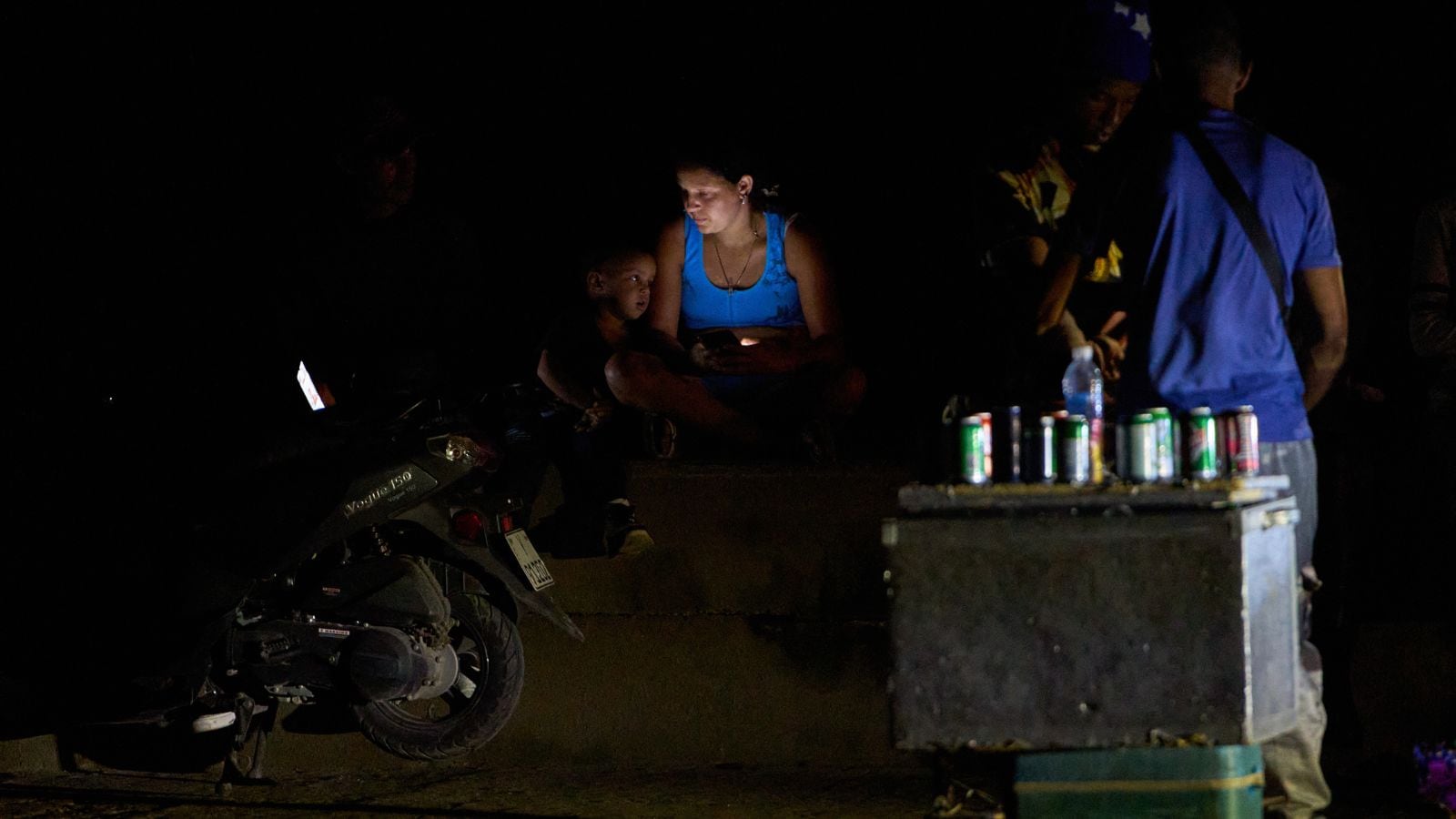
If you want to understand what it feels like when a nation’s backbone completely snaps, look at Cuba right now. On Tuesday, July 14, 2026, around midday, the entire island went dark. Again.
It wasn’t a localized storm or a minor fuse blowout. The National Electric System (SEN) suffered a total, catastrophic collapse. Nearly 10 million people were instantly cut off from electricity, running water, and phone service. This isn't an isolated incident either. It is the third nationwide blackout to paralyze the island in less than two weeks, following two massive outages just the week before.
What's really going on here isn't just a story about bad luck or aging machinery. It’s a systemic chokehold. Decades of infrastructure neglect, a devastating U.S. energy embargo reinstated with force earlier this year, and a complete lack of fuel have combined to push Cuba's power grid past the point of no return.
The Day the Grid Died (For the Third Time)
The immediate culprit behind the Tuesday collapse was a technical failure. According to the state-owned Electric Union (UNE), a generating unit at the Felton power plant in the eastern province of Holguín suffered a sudden malfunction. That failure triggered a "sudden frequency change," sending shockwaves through an already fragile grid. Within minutes, the entire national network cascaded into total failure.
To get things back online, energy officials are trying to build what they call "micro-islands."
These are tiny, isolated pockets of localized power generated by smaller, decentralized units. Once a micro-island is stable, technicians try to link it to another, slowly rebuilding the national web. But doing this without a steady supply of fuel is like trying to start a campfire with wet matches.
By Tuesday afternoon, only a fraction of the country had seen any progress:
- Havana: Only about 4% of the capital had electricity restored.
- Guantánamo and Cienfuegos: Power was diverted strictly to regional hospitals to keep life-support machines running.
- Matanzas: Electricity returned briefly, but only to the city's historic center.
For the average Cuban, these statistics translate to pure, unadulterated exhaustion. "These blackouts are normal in Cuba now," Roberto Liana, a 69-year-old retail clerk in Havana, told reporters. "If something else happened, it would be strange."
Why the Fuel ran Out
You can’t run steam turbines on hope. Cuba produces only about 40% of the fuel it actually needs to keep its power plants running. The rest has to be imported.
The economic situation deteriorated rapidly in January 2026. The U.S. government threatened heavy tariffs on any nation or shipping company providing oil to Cuba. This effectively created an airtight blockade on the island’s energy imports. Since January, only a single oil tanker—originating from Russia—has been allowed to dock and unload fuel in Cuba.
Without fuel, the backup generators that usually keep the grid afloat during peak hours are completely useless. The government has resorted to draconian power rationing. In parts of Havana, scheduled blackouts last 30 hours at a stretch. In rural provinces, some communities are left without power for over 70 hours.
Life in the Dark
When the power goes out in a modern city, it’s an annoyance. In Cuba, it's a threat to survival.
Because water pumps run on electricity, a power outage means the taps run dry. Food rot is a constant worry because refrigerators don't work, and food is already scarce and expensive. Since most kitchens in Cuban cities rely on electric stoves, families have to build makeshift charcoal fires on their balconies or in the streets just to cook a meal.
The healthcare system is on life support too. Hospitals have been forced to cancel tens of thousands of elective and non-emergency surgeries to preserve whatever fuel remains for emergency generators. Public transit has ground to a near-total halt because there is no diesel for buses.
To survive, ordinary Cubans are taking matters into their own hands. If you walk through Havana today, the soundscape is dominated not by music, but by the hum of electric motorcycles and tricycles. These light vehicles, often equipped with aftermarket solar panels, have become the island’s primary mode of transport. Families who can afford it are buying small, portable solar batteries just to charge their phones and run a single fan during the suffocating summer heat.
No Easy Way Out
The Cuban government, led by President Miguel Díaz-Canel, blames the crisis entirely on Washington's "genocidal" sanctions. Meanwhile, the U.S. State Department maintains that Cuba’s leadership must implement deep, structural economic and political reforms before any sanctions are lifted.
The reality is that Cuba's power grid is made up of crumbling, Soviet-era thermoelectric plants that are far past their intended lifespans. They need billions of dollars in modernization—money the country simply does not have.
If you are looking for a quick fix, you won't find one here. The grid is running on fumes, fumes are running out, and the political impasse shows no signs of breaking. For the 9.6 million people living on the island, daily life has simply become an exercise in waiting for the lights to go out again.