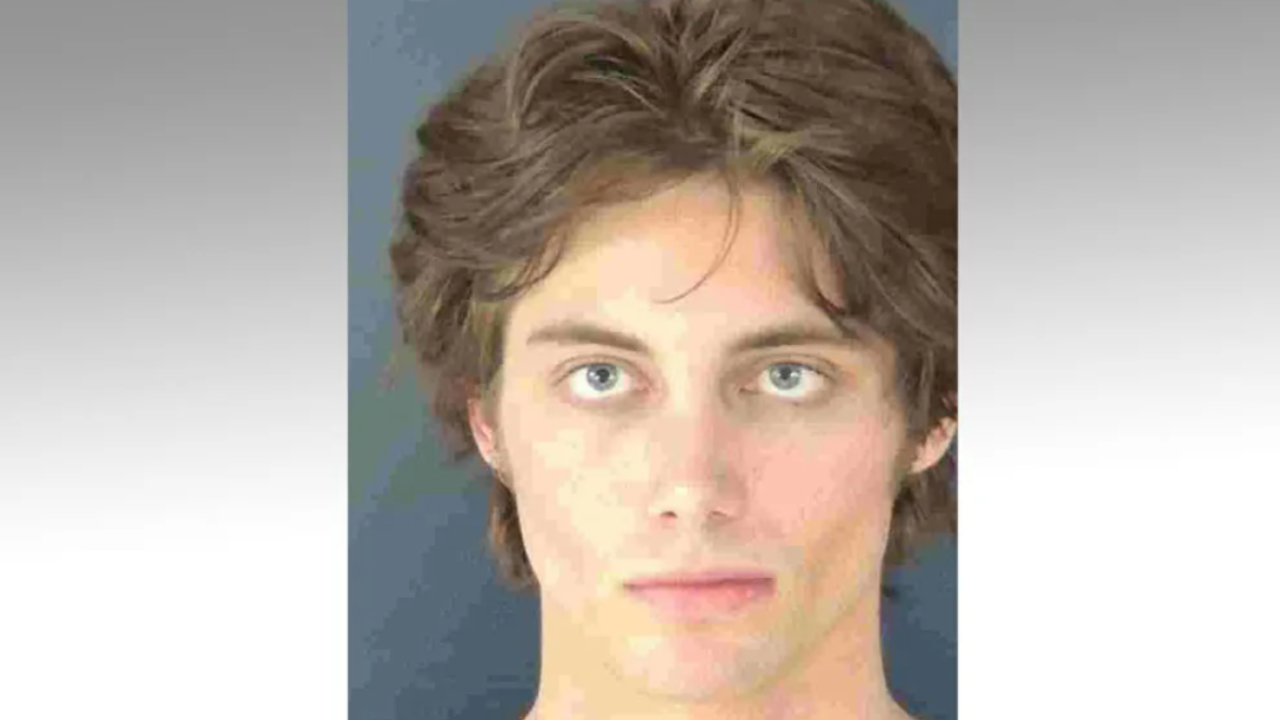
When news broke that 18-year-old Sarasota influencer Mason Hull, better known online as Hullo, was facing 15 counts of possessing child sexual abuse material, the internet reacted with immediate shock. Then came the inevitable backlash. But what happened next left thousands of followers completely stunned: his return to posting content as if nothing happened.
The situation exposes a massive flaw in how social media platforms handle creators accused of serious crimes. While users debate whether someone facing heavy felony counts should retain a public megaphone, major platforms like TikTok often default to complete silence until a formal conviction occurs. Building on this idea, you can also read: बेंजामिन नेतन्याहू की अमेरिका गिरफ्तारी पर बवाल और डोनाल्ड ट्रंप का दोटूक रुख.
Understanding this situation requires examining how a rising looksmaxxing creator ended up in handcuffs, why platforms rarely step in immediately, and what this means for creator accountability online.
Who Is Mason Hull and How Did the Investigation Begin
Mason Hull built a dedicated following online by posting looksmaxxing content—a niche internet subculture centered around physical self-improvement, grooming, fashion, and appearance optimization. Tens of thousands of young followers tuned in regularly for his advice. Analysts at NBC News have also weighed in on this situation.
That online persona collapsed in late April 2026. According to court affidavits released by the Sarasota County Sheriff's Office, the investigation began after Hull's then-girlfriend suspected him of cheating. She looked through his phone while he was sleeping and uncovered disturbing Telegram chats containing links, photos, and videos of child abuse material.
She documented the evidence using her own phone and immediately alerted law enforcement.
When detectives questioned Hull, his response was chillingly casual. According to the police report, he admitted to using Telegram to pay for the illegal content, claiming he wanted to "try something new" and was seeking out taboo material. He acknowledged that the children shown in the media appeared to be between 8 and 15 years old. Deputies arrested him on 15 separate counts.
Why Big Tech Lets Accused Creators Keep Posting
When Hullo reportedly reappeared on TikTok shortly after his arrest, public outrage was swift. Viewers flooded comment sections asking a logical question: why is an account like this still live?
The answer comes down to platform policy and legal liability.
- Presumption of innocence in terms of service: Most major tech platforms do not automatically ban users solely based on an arrest or active charge. Until a court issues a guilty verdict or a judge sets specific conditions restricting internet access, platforms often treat account removal as a legal gray area.
- Lack of proactive monitoring: While platforms use automated tools to scan uploaded media for known illegal content, they rarely monitor off-platform criminal charges in real time unless an account is directly flagged by law enforcement or public backlash reaches a boiling point.
- Law enforcement requests: In some cases, authorities actually prefer that a suspect's public accounts remain active while an investigation proceeds to track potential communication or evidence.
It's a frustrating reality for users who expect immediate moderation. Platform guidelines are built around legal outcomes rather than real-time public sentiment.
The Real Problem With Modern Creator Culture
This isn't an isolated incident. We've seen a recurring pattern where creators build hyper-loyal audiences, face catastrophic legal or ethical charges, and simply resume their posting schedules once the initial news cycle dies down.
The looksmaxxing community, in particular, caters heavily to impressionable teenagers and young men seeking guidance. When creators in these spaces are accused of severe offenses, the lack of immediate platform action creates a dangerous illusion of normalcy. Audience members who aren't aware of the underlying court proceedings continue to consume, share, and support the content without knowing who they're interacting with.
Relying on social media algorithms to police creator behavior after the fact is a broken strategy. Algorithms prioritize engagement, not ethics. A controversy that drives thousands of comments—even negative ones—often signals to an algorithm that the account is generating high engagement, inadvertently pushing the content to even more feeds.
How to Protect Kids and Stay Informed
If you or your family members follow fitness, looksmaxxing, or lifestyle creators online, relying on social media platforms to filter out bad actors isn't enough. Here are concrete steps you can take right now:
- Check local court records for updates: When a creator faces legal trouble, local law enforcement press releases and county court dockets provide factual updates faster than social media commentary.
- Report platform accounts directly: Don't just comment on a creator's video to voice outrage. Use the platform's formal reporting tools under safety and policy violations to bring the profile directly to human moderators.
- Audit followed accounts regularly: Review the accounts young family members follow. Talk openly about the people behind the screen and encourage critical thinking about online influencers.
- Report suspicious activity to authorities: If you suspect any online user or creator is involved in illegal material or grooming, report it directly to the National Center for Missing & Exploited Children (NCMEC) at cybertipline.org or call local law enforcement immediately.