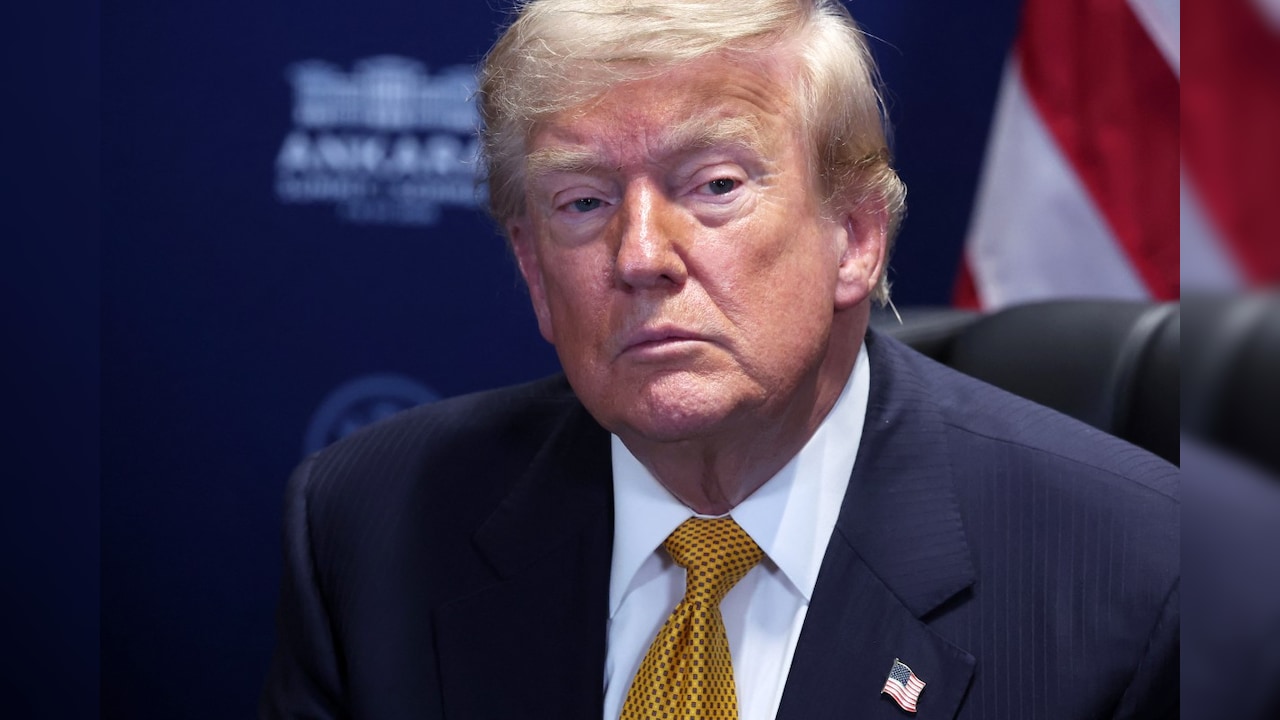
The 14-point memorandum of understanding between the US and Iran didn't just collapse by accident. It was built to fail from the very beginning. When Pakistan helped broker the 60-day interim agreement, it looked like a diplomatic breakthrough that might finally end the regional war ignited back in February. Instead, Donald Trump's announcement on Truth Social that the ceasefire is officially over drops everyone right back into a high-stakes maritime crisis.
If you want to understand why global energy markets are sweating and why US warships are back on high alert, you have to look past the political finger-pointing. The core problem is that Washington and Tehran signed a document that left out the structural issues driving the conflict, while handing over the keys to the world's most critical energy chokepoint.
The Flawed Architecture of the 14 Point Agreement
The June agreement gave both nations a 60-day window to negotiate a permanent peace deal. It helped cool down a global energy panic, but the terms were heavily skewed. You can't build a stable peace by ignoring the primary drivers of instability.
Somehow, the framework managed to avoid any mention of Iran's ballistic missile program or its network of regional proxies. Even the nuclear provisions in Clauses 8 and 9 didn't require the complete dismantling of enrichment facilities or offer clear directives on what to do with Iran's 450 kg stash of enriched uranium. Tehran walked away with almost everything it wanted, including vital economic breathing room. On the flip side, the White House faced immediate, severe domestic blowback and intense anger from Israel, making the deal politically unsustainable in Washington.
The biggest mistake was Clause 5. This specific clause handed Iran and Oman the explicit right to monitor, administer, and route all maritime traffic through the Strait of Hormuz. To make the medicine go down easier for the West, the agreement stated that commercial ships wouldn't have to pay transit fees during the 60 days. But giving the Islamic Revolutionary Guard Corps formal authority over the channel was a recipe for disaster.
Crossing the Red Line in the Gulf
Tehran views its control over the Strait of Hormuz as an existential security asset. During the first 40 days of the war, closing the strait proved to be Iran's most effective tool for forcing international concessions. When Clause 5 recognized that authority, the IRGC treated it as absolute law.
The trouble started when commercial vessels tried using the southern shipping route to bypass Iranian checkpoints. Tehran responded by deploying fast-attack boats and issuing aggressive warnings. On June 28, Iranian forces opened fire on a commercial ship, triggering a rapid exchange of military strikes between American forces and Iranian coastal installations. While subsequent emergency talks in Doha temporarily paused the fighting, the underlying friction never went away. By July 8, the US Treasury Department revoked the special Iranian oil waivers that had allowed crude sales through August 21, effectively dismantling the economic foundation of the truce.
We're now seeing the immediate fallout of that collapse. For two days, targeted strikes have rattled the region. US military bases in Bahrain and Kuwait have taken direct hits from Iranian missile salvos, exposing serious gaps in Western air defense networks. What's surprising is what hasn't happened yet. During the opening month of the war, the UAE took a brutal pounding from Iranian retaliatory strikes. This time around, Tehran has spared Emirati infrastructure, focusing its fire squarely on US military assets.
The Threat of a Total Maritime Blockade
Iran isn't backing down. It's explicitly threatening a coordinated double blockade. If the US or Israel targets critical Iranian civilian infrastructure—like the domestic power grid, power stations, or vital desalination plants—Tehran plans to shut down the Strait of Hormuz entirely.
They won't stop there. The plan includes activating Houthi forces in Yemen to close down the Bab-al-Mandeb strait simultaneously. Blocking both channels would bottleneck the Persian Gulf and the Red Sea at the same time, choking off roughly a fifth of the world's daily petroleum supply and immense quantities of liquefied natural gas. The global economic shockwave would be unprecedented.
What Needs to Happen Next
Relying on vague interim agreements to manage a volatile geopolitical chokepoint doesn't work. To protect international shipping and prevent a broader economic disaster, regional stakeholders and maritime powers must pivot toward concrete operational adjustments.
- Establish Separate Transit Paths: Global shipping firms should instruct vessel captains to strictly follow designated international traffic lanes, avoiding ambiguous border zones that Iran claims under regional agreements.
- Deploy Direct Naval Escorts: Relying on passive deterrence has failed. The US Navy and its coalition partners need to deploy active surface escorts for commercial tankers moving through the Gulf, making it clear that interference will face immediate tactical pushback.
- Secure Red Sea Supply Chains: Shippers have to prepare for immediate diversion strategies around the Cape of Good Hope. Logistics managers must adjust fuel budgets and delivery timelines right now, anticipating that the Bab-al-Mandeb could close with zero warning.
- Harden Regional Infrastructure: Gulf nations need to immediately bolster point-defense systems around energy assets and desalination plants, recognizing that Iran's current restraint toward local targets could change overnight.
The illusion of a quick diplomatic fix is gone, and the illusion of safety in the strait went with it.