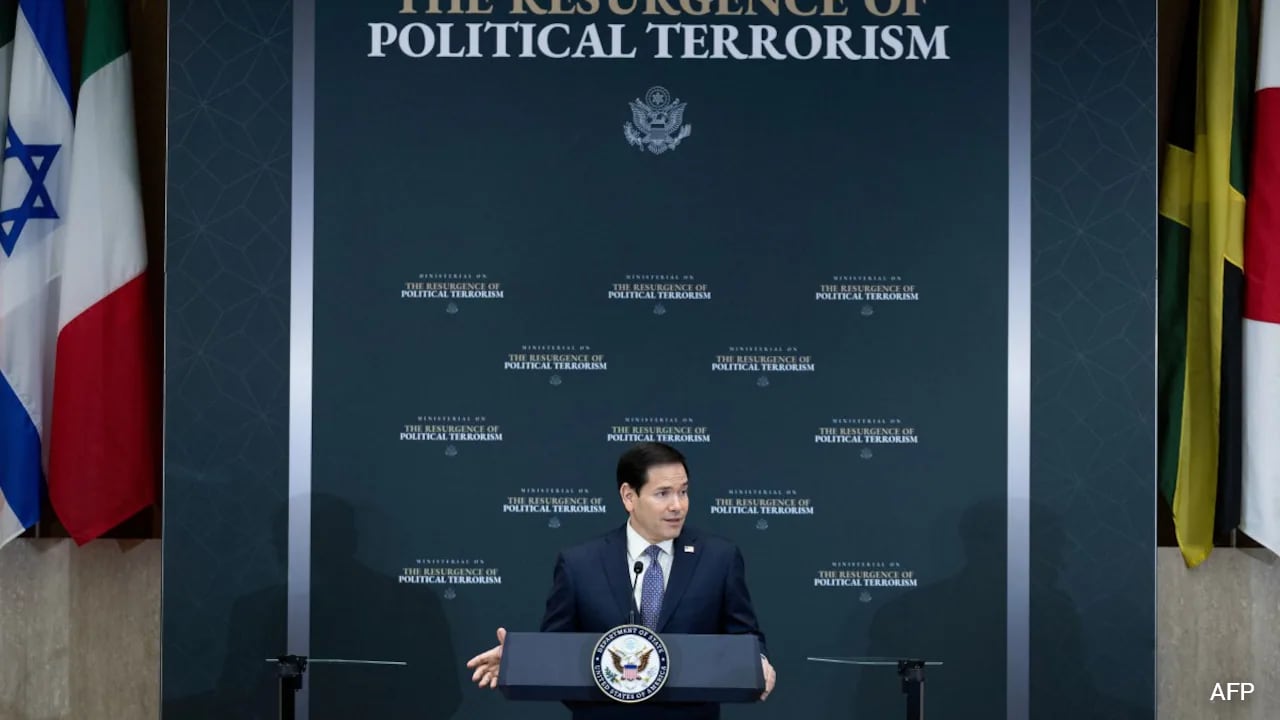
The United States just flipped its counterterrorism playbook upside down.
For twenty-five years, Washington focused its massive intelligence apparatus almost exclusively on religious extremists and foreign state actors. That era is over.
In a move that sent shockwaves through international diplomatic circles, the State Department announced sweeping visa restrictions targeting foreign nationals tied to "far-left terrorist" groups. Secretary of State Marco Rubio made the announcement, flatly calling these individuals "enemies of our civilization".
If you think this is just standard political theater, look closer. It is a calculated, systematic restructuring of how America defines national security threats at its borders. The administration is building an entirely new framework designed to block, track, and financially choke foreign left-wing activists.
Here is what is actually happening behind the headlines, why it matters, and who is getting caught in the dragnet.
A Shift in US Counterterrorism Strategy
The shift did not happen overnight, but it reached a boiling point on July 16, 2026.
Rubio hosted representatives from over 65 countries at the State Department for a summit focused entirely on what the administration calls "the resurgence of political terrorism". The target was not ISIS or al-Qaeda. The target was the global far-left.
During the conference, Rubio argued that Western nations have operated with a massive "blind spot" when it comes to left-wing violence. He pointed to coordinated, transnational networks that use intimidation, property destruction, and organized campaigns to force political change.
To make the administration's stance unmistakable, White House deputy chief of staff Stephen Miller delivered a speech comparing the threat to an home invasion. He insisted that nations must defend their civilization with the same force they would use to protect their own families.
The rhetoric is intense. But the policy changes backing it up are real, immediate, and legally binding.
The Legal Machinery Behind the Visa Curbs
The administration is not passing new laws to make this happen. Instead, they are using existing immigration tools in creative, aggressive ways.
The primary tool here is Section 212(a)(3)(C) of the Immigration and Nationality Act.
This specific statute gives the Secretary of State broad authority to deny a visa to any foreign national if their entry would have "potentially serious adverse foreign policy consequences". It is a highly discretionary power. It does not require a formal criminal conviction. If the State Department believes an individual is linked to these networks, that person is out.
The new policy formally targets foreigners who:
- Finance or recruit for far-left networks.
- Incite, aid, or abet political violence.
- Provide logistical support or coordinate transnational activist networks.
- Participate in what the administration classifies as "economic sabotage".
By expanding the definitions to include "incitement" and "logistical support," the policy casts an incredibly wide net. It means a foreign writer who praises a radical activist group online, or an organizer who helps plan a protest that turns violent, could easily find themselves blacklisted from entering the US.
Who is Actually on the Blocklist
This policy is not hypothetical. The administration has already laid the groundwork by formally blacklisting specific organizations.
Since November 2025, the US State Department has designated four European far-left and anarchist groups as Foreign Terrorist Organizations (FTOs) and Specially Designated Global Terrorists (SDGTs).
These designated groups include:
- Antifa Ost: A militant German anti-fascist group that has been involved in violent clashes and street level warfare against far-right factions in Europe.
- Informal Anarchist Federation/International Revolutionary Front (FAI/FRI): An Italian-based anarchist coalition known for taking credit for letter bombs, arson, and sabotage targeting government and corporate infrastructure.
- Armed Proletarian Justice: A radical European far-left group that has targeted corporate and political symbols.
- Revolutionary Class Self-Defense: Another highly organized European militant leftist group focused on direct action and violent disruption.
By placing these groups on the official FTO list, the US government unlocked massive financial and legal powers. The Treasury Department, led by Scott Bessent, is actively tracking and shutting down the financial pipelines of these organizations. They are offering rewards of up to $10 million for information leading to the disruption of their funding.
Under the new visa rules, any foreign national associated with these groups—or anyone who has donated even a small amount of money to them—faces an immediate ban.
The Global Stage and the 66 Nation Summit
One of the most interesting aspects of this announcement is its international focus.
Usually, domestic political crackdowns are handled quietly at home. But the Trump administration went out of its way to turn this into a global coalition.
The summit in Washington brought together delegates from 66 nations, including key US allies like Germany, France, Spain, Canada, and Argentina. Why? Because the administration realizes that far-left activism is highly transnational.
Activists routinely cross borders to join protests, share tactics online, and coordinate funding. Rubio explicitly warned that far-left networks are increasingly collaborating with hostile foreign states, pointing to alleged connections with Iranian proxy networks.
By pushing allies to adopt similar travel restrictions and share intelligence, the US is trying to build a global dragnet. If successful, it will make it incredibly difficult for radical activists to travel internationally, let alone enter the United States.
Why Critics are Sounding the Alarm
As you can imagine, this policy has sparked fierce domestic and international backlash.
Critics, including several high-ranking Democratic lawmakers, argue that the administration is weaponizing the counterterrorism apparatus for partisan political gain. Eleven Democratic members of Congress, led by Representative Gregory Meeks, wrote a blistering letter to Secretary Rubio. They accused the State Department of creating a "politically partisan document" that ignores far more pressing threats, like domestic far-right extremism.
Civil rights groups are also deeply concerned. They argue that the definitions used in the policy are dangerously vague. What constitutes "incitement" or "logistical support"?
If a foreign academic speaks at a rally where a window gets broken, do they lose their visa? If a human rights worker translates a manifesto for an activist group, are they now classified as a terrorist facilitator?
Stephen Miller dismissed these concerns, stating that appeals to civil liberties are simply a tactic used by the left to shield themselves from criminal punishment.
This ideological divide is only going to widen. What the administration views as a necessary step to protect civil society, critics view as an authoritarian attempt to criminalize dissent.
Practical Next Steps for Travelers and Organizations
If you travel frequently, organize international events, or work with global advocacy groups, this policy changes the rules of the game. You need to adapt quickly to avoid unexpected travel disruptions.
Audit Your Digital Footprint
The State Department routinely reviews public social media profiles and digital associations during the visa application process. Ensure your online presence, public statements, and professional associations do not link you to groups designated as foreign terrorist organizations.
Vet Financial Donations
If you contribute to international mutual aid funds, activist defense funds, or foreign political advocacy groups, pause and verify their status. Under the new Treasury department guidelines, even minor financial support to a group deemed "aligned" with far-left networks can trigger a visa denial.
Prepare for Extensive Border Screenings
If you are a foreign national traveling to the US and have a history of progressive political activism, expect increased scrutiny at consular interviews and ports of entry. Be prepared to clearly explain the nature of your travel, your organizational affiliations, and your sources of funding.
Establish Clear Travel Policies
For organizations hosting international speakers, academic scholars, or activists, establish a strict vetting process before booking travel. Ensure your guests are fully aware of the new restrictions under Section 212(a)(3)(C) to prevent last-minute visa rejections and canceled events.