Paris has had enough. For years, the French government watched as disinformation campaigns, GPS jamming, and targeted cyberattacks quietly chipped away at its infrastructure. The response used to be cautious, measured, and mostly behind closed doors. Not anymore. France is shifting its strategy from passive defense to active public call-outs, and the reason comes down to a massive escalation in Russian hybrid warfare.
This isn't about traditional military threats. Nobody is marching troops across borders here. Instead, it's a invisible campaign designed to destabilize French society from the inside out. By looking at recent security briefs, the shift in tone from the Élysée Palace makes perfect sense. The old playbook of quiet diplomacy is dead.
The Invisible Frontline Right on French Soil
When people think of conflict, they think of missiles. But the real pressure on France right now happens in the shadows. Russian hybrid warfare uses a mix of cyber operations, economic sabotage, and psychological tactics to weaken the state without ever triggering a direct military retaliation.
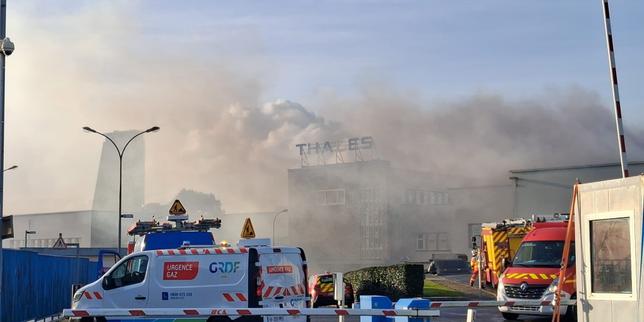
It's happening in ways that affect everyday life. GPS signals over eastern France and the Baltic region face frequent disruptions, messing with commercial aviation. Cyberattacks regularly target French hospitals, local government networks, and critical infrastructure. The goal isn't necessarily to destroy things. It's to create friction, doubt, and a general sense of insecurity among citizens.
French intelligence services have traced a massive influx of coordinated disinformation directly back to Russian networks like the infamous Doppelgänger operation. These campaigns clone legitimate media sites, including major French newspapers, to spread panic about everything from bedbug infestations to political corruption. It's cheap, it's effective, and it forces France to spend millions just trying to put out digital fires.
Why the French Strategy Changed From Silence to Call-Outs
For a long time, the French government preferred strategic ambiguity. If a cyberattack hit a ministry, officials would patch the vulnerability, trace the source privately, and avoid naming names in public. The logic was simple. Why give the hackers the publicity they want?
That approach failed. Treating state-sponsored aggression like simple IT glitches only emboldened the attackers.
Now, France is aggressively naming and shaming. When the Ministry of Armed Forces or Viginum, the state's foreign interference watchdog, detects a campaign, they publish the technical details immediately. They name the specific Russian intelligence units responsible, like the GRU's Unit 29155.
This public shift serves two purposes. First, it educates a vulnerable public that might otherwise fall for fake news or panics engineered abroad. Second, it draws a clear red line. By identifying the perpetrators publicly, France signals that it treats these digital and informational incursions exactly like physical provocations.
The Specific Triggers Forcing Paris to Act
Several recent escalations pushed French patience past the breaking point. The interference moved from the internet into physical spaces, creating a much more dangerous environment.
- Physical Sabotage Risks: French security agencies recently disrupted several low-level sabotage plots targeting European railway networks and military supply lines. While not always directly executed by Russian nationals, intelligence points to operations financed through proxies to recruit local criminals.
- Targeting the Democratic Process: European elections and upcoming political debates have seen targeted leaks, deepfakes, and hyper-targeted ad campaigns designed to polarize voters and amplify extremist voices on both sides of the political spectrum.
- Weaponized Migration and Border Pressure: While more visible in Poland and Finland, France recognizes that the pressure applied to EU borders is part of a coordinated effort to break European solidarity, directly impacting French foreign policy decisions.
What Happens Next on the Hybrid Battlefield
France isn't just complaining. It's actively retooling its state apparatus to fight back. The military budget now allocates significant funding specifically to offensive cyber capabilities and psychological operations defense.
The strategy relies heavily on international partnerships. France is pushing for a more coordinated European Union response to hybrid threats. The idea is to create a collective attribution mechanism. If one country gets hit by a massive state-sponsored cyberattack, the entire bloc responds with synchronized sanctions, diplomatic expulsions, and counter-cyber operations.
We're entering an era where the boundary between peace and conflict is permanently blurred. France has realized that staying polite in the face of asymmetric aggression doesn't look like diplomacy. It looks like weakness. By raising its voice and exposing the machinery of hybrid operations, Paris is trying to rewrite the rules of engagement before the damage becomes irreversible.
To stay resilient against these tactics, check your news sources carefully, keep your personal devices updated against vulnerabilities, and remain skeptical of sudden, highly emotional social media trends designed to divide. The frontline isn't thousands of miles away. It's right in your pocket.