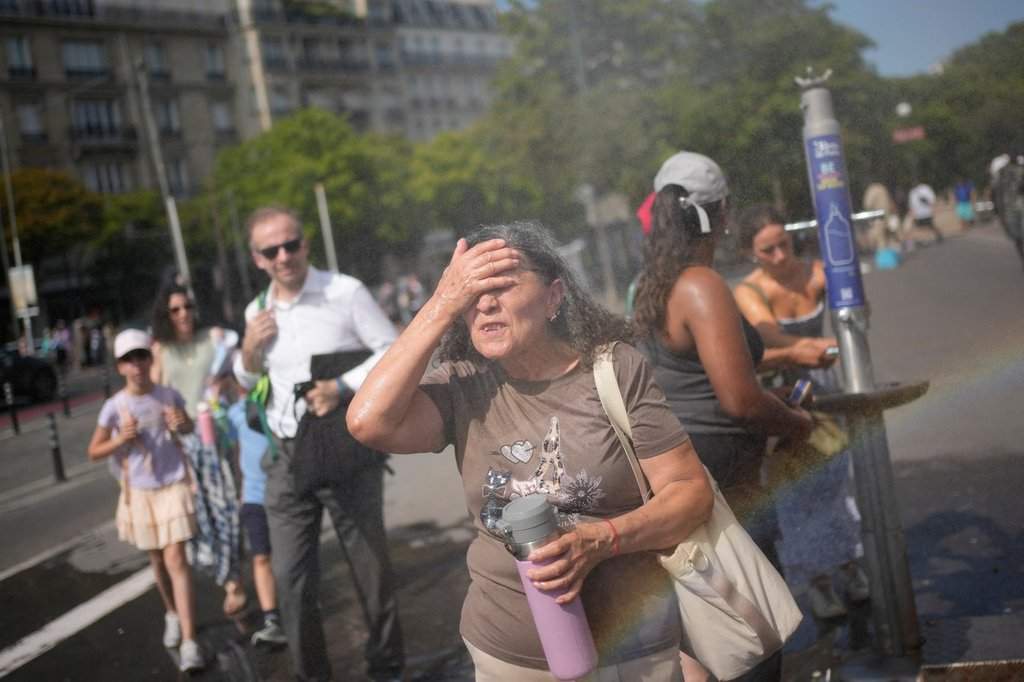
France just recorded 5,764 excess deaths during a devastating two-week stretch of extreme heat between June 17 and July 2. That represents a 36 percent jump in expected mortality across 92 affected departments. Santé publique France, the national public health agency, called the mortality spike among people over age 15 unprecedented for early summer.
Half of those deaths happened in just 72 hours—between June 25 and June 27—when temperatures blew past 40°C across the country.
The numbers are terrifying, but they aren't a surprise to anyone tracking European climate readiness. The uncomfortable truth is that European cities were constructed to trap heat, not release it. When record temperatures hit, the build-up of thermal energy turns apartments into ovens.
The Brutal Math Behind the Heat Spike
When you look closely at the data from Santé publique France, the speed of the catastrophe stands out.
During the peak days of June 24 through June 26, daily deaths jumped from normal baselines of roughly 900 to more than 1,400 per day. In the Île-de-France region surrounding Paris, mortality surged by 80 percent.
The heat didn't hit everyone equally:
- People aged 75 and older accounted for roughly two-thirds of the excess mortality.
- Adults aged 45 to 64 made up nearly a fifth of the fatalities.
- Deaths occurring at home spiked by about 40 percent in heavily impacted zones.
To put this in context, France registered roughly 5,700 heat-related excess deaths during the entire summer of 2025. Reaching that exact same tally in a single two-week period in late June signals a dangerous shift in extreme weather patterns. It's the highest excess mortality rate during a single heat event since the infamous 2003 heatwave that killed 15,000 people.
Why European Architecture Acts Like a Heat Trap
Why do French heat wave deaths jump so rapidly compared to spikes in hotter climates like Arizona or Dubai? It comes down to urban design, housing stock, and cultural norms around cooling.
Most housing in France was engineered for cold winters. Thick stone, brick, and heavy insulation keep warmth inside. When heat penetrates those walls over multiple consecutive days without cooler nighttime relief, the indoor temperature stays locked near daytime highs.
Fewer than 25 percent of homes in France have mechanical air conditioning. In urban centers like Paris, that number is even lower due to strict historic preservation rules and high electricity costs.
Urban heat islands compound the problem. Asphalt streets, dark rooftops, and concrete squares absorb massive thermal energy all day, radiating it back into the air at night. When nighttime temperatures stay above 20°C, the human body cannot cool down to repair cellular stress. That strain accumulates over 48 to 72 hours until cardiovascular systems collapse.
The Hidden Vulnerability in Isolated Homes
Emergency rooms and hospitals prepared for heat-stroke victims, but the real crisis happened behind closed doors. Electronic death certificate registry data reveals that the sharpest relative jump in mortality occurred among people living alone.
Older adults often don't feel thirst as acutely as younger people. They delay drinking water. They keep windows shut to block outside noise or hot air, unwittingly creating a sauna. By the time heat exhaustion turns into heat stroke, confusion sets in, leaving the victim unable to call emergency services like SAMU.
Health authorities rely heavily on public warning systems, red alerts, and green-space cooling centers. But a cooling center two miles away offers zero protection to an 82-year-old with mobility issues living on the fourth floor of a Paris walk-up.
Moving Beyond Warning Alerts and Temporary Cooling Centers
France's Plan Canicule—created after the 2003 disaster—saved lives by establishing clear warning levels and automated check-ins for registered vulnerable residents. But the latest figures prove that administrative alerts aren't enough anymore.
If we want to stop heat mortality from rising every summer, municipalities and individuals need structural changes immediately.
Actionable steps for urban heat management
Retrofit building passive cooling. Install exterior shutters, solar reflectivity films, and light-colored window shades. Internal blinds block sunlight, but heat still enters through the glass. Exterior shading keeps thermal energy outside the building envelope entirely.
Establish hyper-local neighbor check-in networks. Public registries only catch a fraction of isolated seniors. Building associations and neighborhood groups must organize physical door-knocks when regional red alerts trigger.
Change daily habits during peak heat windows. Ventilate living spaces exclusively between 4:00 AM and 7:00 AM when outside temperatures reach their daily low. Keep all windows and exterior shutters fully sealed for the remainder of the day.
Rethink urban surfaces. Cities must accelerate replacing dark asphalt with permeable, light-colored paving and aggressive tree canopy planting. Urban foliage lowers local ground temperatures by up to 5°C through evapotranspiration.
Hydrate with electrolytes, not just plain water. In severe heat, sweating drains crucial sodium and potassium. Drinking massive amounts of plain water without salt replacement causes hyponatremia, increasing confusion and physical weakness.