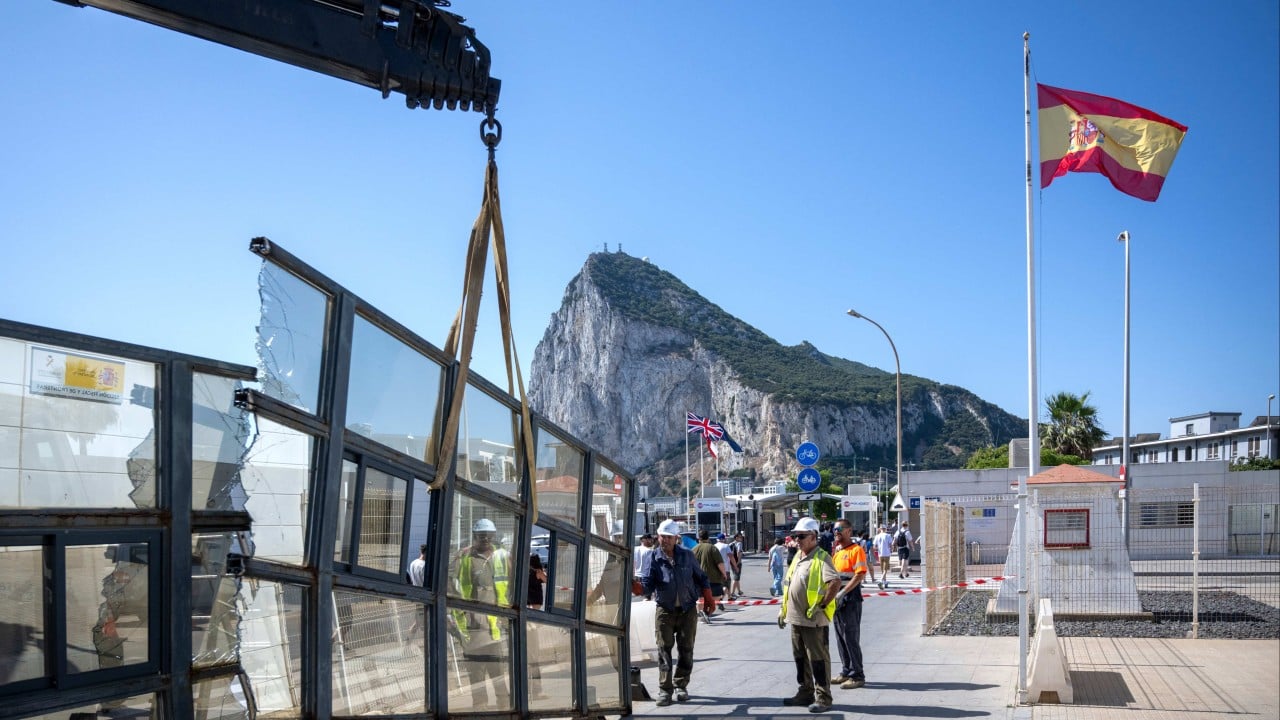
For decades, crossing the line between Gibraltar and Spain meant brace-yourself queues, flashing passports at a physical barrier, and dealing with a political tug-of-war that trace back to 1713. If you live or work in this tiny corner of the Mediterranean, you know the routine.
But everything just changed.
The UK, the EU, and Spain signed an agreement that removes routine border checks at the land border. The physical fence, known locally as La Verja, is being dismantled.
For the 15,000 workers who make this crossing daily, this isn't just diplomatic paperwork. It is a life-altering shift. Let's look at what is happening on the ground, how this deal works, and what it actually means for your daily life, travel, and taxes.
The Reality of the Gibraltar and Spain Border
To understand why this is a massive deal, you have to look at the unique relationship between Gibraltar and the surrounding Spanish region, Campo de Gibraltar.
Gibraltar is a British Overseas Territory with a population of about 34,000. But its economy relies heavily on Spain. Over half of its workforce lives in Spain, where housing is cheaper, and commutes into Gibraltar every single day.
When the UK left the European Union, Gibraltar was left in a dangerous limbo. Because it wasn't part of the main UK-EU trade agreement, residents faced the terrifying prospect of a hard external EU border. That would mean full passport stamping, biometric scans, and endless delays at a single, choked crossing point.
The new treaty side-steps that disaster. Instead of tightening the border, it effectively moves the EU's outer Schengen boundary to Gibraltar’s airport and seaport.
How the New System Works
If you are crossing by land, the physical border basically vanishes. You can walk or drive from Spain into Gibraltar without stopping for routine passport checks.
So, where do the checks go? They move to the entry points.
- At the Airport and Port: If you arrive in Gibraltar by plane or boat, you face a two-step check. First, Gibraltar authorities process you. Second, Spanish national police, acting on behalf of the EU's Schengen zone, carry out Schengen entry checks.
- The Land Border: The fence is gone. Routine identity checks are gone.
- The EES Loophole: The EU’s biometric Entry/Exit System (EES) will not apply at the land border. This is a massive victory. It avoids the logistical nightmare of scanning thousands of workers' faces and fingerprints every morning.
[Old System: Land Border Checkpoint]
      Spain -> [La Verja Border Check] -> Gibraltar

[New System: Moved to Entry Points]
      Spain -> [No Routine Land Checks] -> Gibraltar
      Outside World -> [Airport / Port Checks by Gibraltar & Spain] -> Gibraltar
Taxes, Shopping, and the 15% VAT Change
You didn't think a deal this big would come without some trade-offs, did you? Spain and the EU weren't going to open their market without securing their tax borders.
Gibraltar has long been a tax haven. Cigarettes, alcohol, and luxury goods have been significantly cheaper on the Rock, leading to a thriving smuggling trade and friction with Spanish tax authorities.
To level the playing field, the treaty establishes a customs union between the EU and Gibraltar.
- The New VAT: Gibraltar is introducing an indirect tax equivalent to VAT, starting at 15%. This will gradually align with EU standards over three years.
- Tobacco Rules: Strict regulations are being introduced to align Gibraltar's tobacco pricing and trade with EU standards, aiming to stamp out illicit trade.
- Customs: Spanish authorities will supervise customs checks on goods entering Gibraltar, ensuring they meet EU standards before they can flow freely into the rest of Europe.
Sovereignty Remains Untouched
Let's address the elephant in the room: who owns Gibraltar?
The short answer is nothing changes. The UK remains fully sovereign over the Rock.
Spain has held a historic claim over the territory since it was ceded under the Treaty of Utrecht, and this deal doesn't mean Madrid is taking over. In fact, the treaty explicitly states that Spain's involvement in airport checks does not affect its sovereignty claims, nor does it compromise British control.
Additionally, the UK keeps absolute, independent control over its vital military base and port facilities in Gibraltar, which are crucial for NATO operations.
What This Means for You
If you are a traveler, expat, or local business owner, here is how you need to prepare for this new reality.
For Cross-Border Workers
You can breathe a sigh of relief. Your daily commute is about to become faster and less stressful. You don't need to worry about passport queues or biometric scanning at the land border. Your social security contributions and pension rights are also protected under the new treaty framework.
For Tourists and Visitors
Gibraltar just became a lot more attractive. In the past, many tourists staying in Spain avoided day trips to the Rock because they didn't want to waste hours waiting at the border. Now, you can easily drive in for lunch or a cable car ride up to see the Barbary macaques without the headache. Keep in mind, if you fly directly into Gibraltar Airport from outside the Schengen area, you will face joint UK-Spanish border controls upon arrival.
For Property Owners in Southern Spain
If you own property in areas like La Línea, Sotogrande, or Alcaidesa, this deal is great news. While it doesn't change Spanish property or residency laws, it makes split-living between Spain and Gibraltar incredibly easy. Expect a positive impact on local real estate values as commuting becomes hassle-free.
Actionable Next Steps
If you are planning to travel or work in the region, keep these practical points in mind:
- Monitor Local Signs: Although the treaty is provisionally active, the physical dismantling of border infrastructure is a rolling process. Watch for local traffic changes around the old La Verja crossing.
- Check Visa Status: If you hold a passport that requires a Schengen visa, remember that entering Gibraltar now effectively puts you under Schengen rules. Ensure your travel documents align with these entry requirements.
- Prepare for Price Changes: If you regularly shop in Gibraltar for goods like electronics or luxury items, expect prices to adjust as the new 15% indirect tax comes into play.
- Register as a Frontier Worker: If you commute daily, ensure your employment registration is fully up to date with both Gibraltar and Spanish social security offices to guarantee your cross-border worker rights are protected under the new treaty provisions.