Imagine floating in the pitch-black open ocean, miles away from the nearest coastline, watching your dive boat slowly disappear into the horizon. Your weights are gone, your legs are cramping, and the ocean current is dragging you further into the nothingness of the sea. For two scuba divers exploring the waters of Australia, this nightmare became a reality.
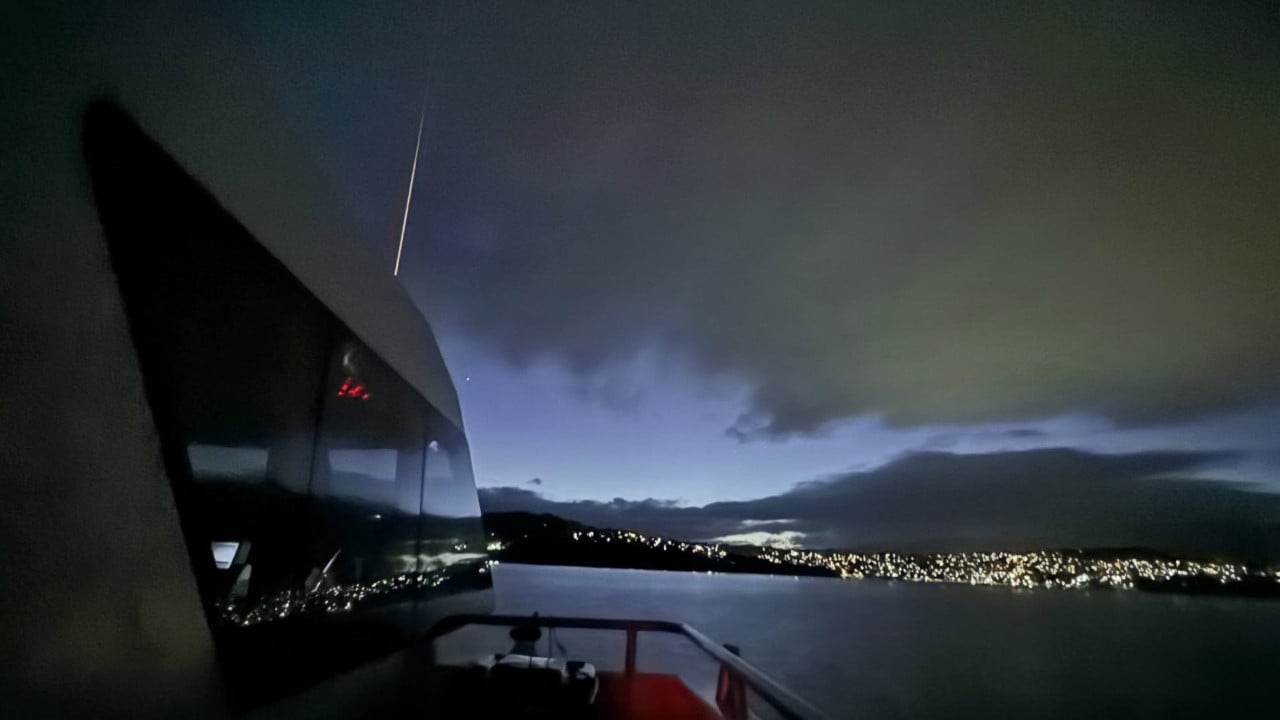
But the universe works in strange ways. They weren't saved by a massive military fleet or a routine coast guard sweep. Instead, a Hong Kong aurora-chasing tour group rescues 2 divers lost at sea in Australia in a twist of fate that sounds too wild for a Hollywood script. Even crazier? The stranded divers turned out to be fellow Hong Kong residents.
When we look at the raw statistics of open-ocean survival, the odds are heavily stacked against you. Once a diver separates from their vessel, finding a human head bobbing in shifting swells is like trying to spot a specific grain of sand on a beach. This incredible rescue tells us a lot about modern maritime vulnerability and the sheer luck required when things go south.
The Moment Everything Went Wrong on the Water
Every dive incident starts exactly the same way: a routine plan, clear skies, and a sudden shift in conditions. The two divers entered the water expecting a standard drift dive or reef exploration. Australia boasts some of the most spectacular marine life on earth, but its coastal waters are also home to notoriously erratic currents and fast-moving swells.
When the duo surfaced, the boat wasn't where it was supposed to be. Or rather, they weren't where the boat expected them to be.
A powerful current had grabbed them during their ascent, sweeping them far outside the visual range of the vessel's crew. They did exactly what you're trained to do in an emergency: they dropped their weight belts to stay buoyant, inflated their buoyancy control devices (BCDs), and stuck together.
But out there, survival is a ticking clock. The human body loses heat to the water roughly 25 times faster than it does to the air. Even in temperate Australian waters, mild hypothermia begins its slow creep within hours. Dehydration sets in. Panic makes your heart race, burning through your remaining energy. You're constantly swallowing salt spray, which inflames your throat and triggers a gag reflex.
As the sun began to dip, the reality of their situation became terrifyingly clear. They were adrift in the open ocean with nothing but the clothes on their back and the hope that someone would look in the right direction.
Why an Aurora Tour Group Was in the Right Place at the Right Time
To understand how an aurora-chasing tour group from Hong Kong ended up saving two people from the ocean, you have to look at how these tours operate.
Chasing the Aurora Australis (the Southern Lights) requires specific conditions. You need zero light pollution, perfectly clear horizons, and open vantage points. Tour operators frequently take groups out on specialized night-boating excursions along the southern coasts of Australia or Tasmania to capture the phenomenon away from city glow.
The people on these tours aren't your average casual vacationers. They're equipped with heavy-duty night-vision gear, thermal scopes, and high-end cameras capable of long-exposure photography. Their eyes are trained to scan the darkness, searching for subtle changes in light and movement.
Survival Elements in Open Water:
1. Buoyancy (Ditching weights, inflating BCD)
2. Thermal Protection (Wetsuit thickness, core temperature control)
3. Signaling (Strobes, mirrors, surface marker buoys)
4. Hydration & Mental Fortitude (Resisting panic)
As the tour vessel cruised through the dark water, members of the group spotted something unusual breaking the surface. It wasn't the celestial glow they were hunting for. It was the distinct flash of reflective material and the desperate waves of two human beings clinging to life.
The tour crew sprang into action, maneuvering their boat toward the movement and hauling the exhausted divers over the gunwales. The tour agency later remarked that this heroic act didn't just save two lives, but it also shone a light on the brilliance of humanity. Finding out that the two men they pulled from the sea were from the exact same city halfway across the globe made the moment feel entirely surreal.
What Most People Get Wrong About Maritime Safety
The biggest misconception about scuba diving is that the primary danger comes from sharks or equipment failures. It doesn't. The real threat is surface separation.
When you're underwater, you're focused on your air supply, your buddy, and your depth. But the surface is a dynamic, moving environment. A five-knot current can push you hundreds of meters away from your exit point in a matter of minutes. If the boat captain is distracted, or if the dive master miscalculates the direction of the drift, you're instantly isolated.
Many commercial operations rely heavily on visual headcounts, but mistakes happen. We've seen tragic historical precedents where divers were completely forgotten because a crew member checked a box too quickly. While modern regulations are much stricter, complacency remains a killer on the water.
Relying solely on the dive boat to keep track of you is a gamble you shouldn't take. You need to take personal responsibility for your visibility and location tracking before you ever step foot on the dive deck.
How to Guarantee You're Found if You Get Lost at Sea
If you find yourself stranded in open water, your survival depends entirely on the gear you brought with you and how you use it. You can't rely on luck or a passing tour boat to spot you in the dark. You need to make yourself impossible to ignore.
Invest in personal location electronics
Don't dive without a Personal Locator Beacon (PLB) or a Marine Rescue GPS device enclosed in a pressure-resistant dive housing. If you surface and the boat is gone, you crack open the housing, extend the antenna, and fire it up. It sends an immediate distress signal directly to search and rescue satellites, pinpointing your exact coordinates within meters. It turns a blind search into a direct extraction mission.
Master the art of passive signaling
A standard Surface Marker Buoy (SMB)—often called a safety sausage—is mandatory for a reason. But a short, dull-colored buoy is useless in a heavy swell.
- Height matters: Carry a marker buoy that stands at least six feet out of the water when fully inflated.
- Color counts: High-visibility neon pink or safety orange stands out best against the deep blue or green of the ocean.
- Reflective tape: Ensure your buoy and your wetsuit have marine-grade SOLAS (Safety of Life at Sea) reflective tape. This tape bounces light directly back to its source, which is exactly how night-vision gear and search spotlights catch your position.
Acoustic signaling works when eyes fail
Sound travels incredibly well across flat water, but it struggles to break through the roar of marine engines or crashing waves. A standard plastic whistle that comes attached to your BCD is better than nothing, but it lacks the decibel power needed for true offshore emergencies.
Upgrade to a high-power marine whistle like a Storm whistle, which can be heard over a mile away. Better yet, use a compressed-air horn that attaches directly to your low-pressure inflator hose. A single blast from one of these devices creates a deafening shriek that will immediately cause any boat captain within a wide radius to throttle down and look around.
The Checklist to Run Before Your Next Dive Trip
Before you sign your waiver and hop onto a charter vessel, you need to vet the operation. Don't be polite; ask the hard questions. Your life depends on their operational protocols.
- Ask about their tracking protocols: Does the crew use physical roll-call boards, or do they just count heads as people walk past? Do they use a tag system where you physically remove a token when you enter the water and replace it when you return?
- Confirm a dedicated lookout: Is there a designated crew member whose sole job is to watch the water for surfacing divers, or is the captain expected to steer, manage the deck, and look for bubbles all at the same time?
- Check the emergency gear onboard: Does the vessel carry medical oxygen, a modern VHF marine radio, and an active tracking system for their tenders?
- Evaluate the sea conditions yourself: If the current looks too strong or the swell is pushing past two meters, don't hesitate to call the dive. No underwater view is worth the risk of an unmanaged drift into the open ocean.
Get your gear sorted, test your signaling devices before every trip, and never assume the boat crew has everything covered. Complacency turns a great vacation into a survival situation real quick. Take control of your own safety so you don't have to count on a miracle from a passing tour group.