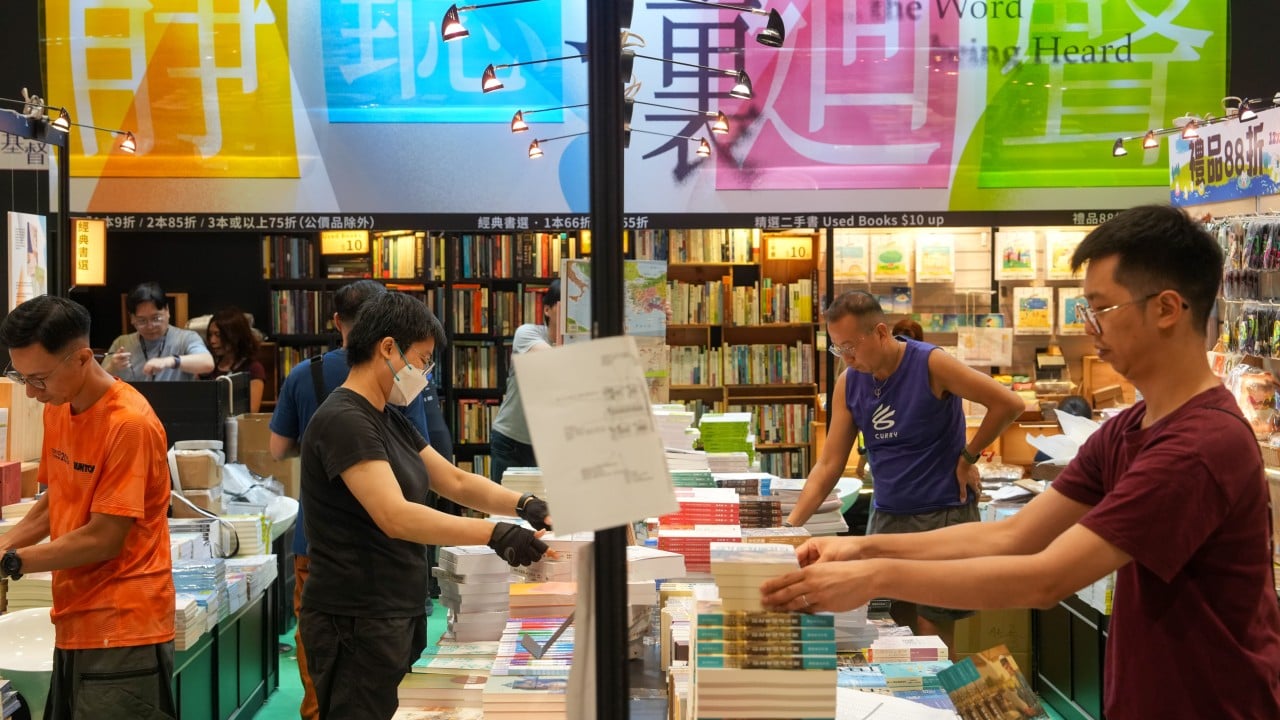
You can't blame Hong Kong publishers and booksellers for feeling a bit anxious as the doors open at the Convention and Exhibition Centre. The annual Hong Kong Book Fair is officially here, running for its usual seven-day stretch. On paper, the Hong Kong Trade Development Council is projecting optimism, highlighting over 770 exhibitors and a packed schedule of cultural events under the banner of "Cultural Legacy | Joyful Journeys".
But if you talk to the people paying for the booths, the mood on the ground is completely different.
Book fair vendors are on the same page about this year’s sales. They aren't expecting a miracle. In fact, most are bracing for flat revenue or single-digit growth at best, a realistic stance driven by shifting consumer habits and a retail market that's still finding its footing. The days of casual shoppers filling suitcases with massive stacks of local print books are giving way to a much more calculated, budget-conscious crowd.
The Reality Behind the Single-Digit Expectations
Walk through the aisles during setup, and the consensus hits you immediately. Nobody is talking about breaking records.
Eli Lau, who heads up the procurement department at SUP Retail (Hong Kong) Limited, openly shared that they are aiming for modest, single-digit growth this summer. It's a pragmatic target that hinges heavily on external variables like volatile summer weather and foot traffic patterns. When one of the biggest players in the local market sets the bar at single digits, it sets a clear tone for everyone else.
Smaller indie players and niche businesses are feeling even more exposed. The financial pressure is immense. Booth rentals, logistics, and temporary staffing costs mean exhibitors have to clear a high financial hurdle just to break even. For many, this seven-day window represents more than half of their yearly print book revenue.
We're seeing a massive shift in what people actually buy. General fiction and traditional lifestyle books are taking a backseat. Instead, vendors are relying heavily on high-demand, visual categories to save their bottom lines.
- Manga and Comic Books: Japanese manga and graphic novels are keeping English-language sections alive. Younger crowds are willing to spend cash on physical volumes of their favorite series, even if they ignore traditional novels.
- Children’s Educational Material: Parents still view supplementary exercises and youth literature as essential investments, making children's books a safer bet for vendors.
- Niche and Handmade Lifestyle Goods: To make up for slower book sales, several stalls are expanding into stationery, crafts, and lifestyle products. Gabriella Chan, who runs the handmade goods brand Bagelmimi, noted that unique items like Japanese-fabric cushions are often what draw people in.
The Northbound Travel Trend is Hurting Local Stalls
It's impossible to talk about Hong Kong retail right now without addressing the elephant in the room. Hongkongers are spending their weekends in Shenzhen.
The cross-border consumption boom has completely altered local spending. Why spend a weekend fighting crowds in Wan Chai when your money goes twice as far across the border? The book fair used to be an unmissable weekend ritual for local families. Now, it has to compete directly with cheap dining, entertainment, and shopping options in the mainland.
While the fair does attract mainland tourists visiting the city, their buying patterns don't mirror the old local habits. Mainland visitors often flock to the high-profile author seminars or seek out highly specific titles they can't easily find back home. They aren't necessarily buying heavy boxes of general literature that they have to haul back through customs.
Independent Bookstores Face an Uphill Battle
The changing commercial environment is hitting independent bookstores the hardest. Just as the fair was kicking off, news broke that another prominent local indie bookstore, Have a Nice Stay, announced its permanent closure. They cited a brutal mix of ongoing financial losses and the difficulty of navigating local legal red lines.
This isn't an isolated incident. Over the past couple of years, the local indie book scene has shrunk dramatically. Several publishers have been excluded from participating in the fair entirely, while others have had to carefully vet their own shelves to avoid compliance issues.
When small, unique voices disappear from the ecosystem, the fair loses some of its cultural edge. It becomes more commercialized, dominated by major publishing conglomerates and stalls selling school textbooks or stationery. For serious readers, that shift makes the event less compelling.
How to Navigate the Fair as a Smart Buyer
If you're planning to head down to the Convention and Exhibition Centre anyway, you might as well play it smart. The vendors are hungry for sales, which means you have the leverage if you know when and how to shop.
First, forget the weekend if you hate claustrophobic crowds. Go during mid-week mornings or late-week evening sessions. Vendors are much more willing to offer deeper discounts or throw in freebies when the aisles are quiet and they need to hit daily targets.
Second, bring your phone and keep your digital wallets loaded. Over 90% of the stalls now support local electronic payments. Many credit cards and payment apps run exclusive cash-back promotions specifically tied to summer conventions. Don't leave that money on the table.
Finally, look beyond the main halls. The concurrent Sports and Leisure Expo and the World of Snacks are included with your ticket. Sometimes the best deals—and the shortest lines—are found in the secondary exhibition spaces where alternative vendors are trying to clear inventory before the final day.
Keep your expectations aligned with reality, look for the niche stalls, and support the remaining indie sellers who need your business now more than ever.