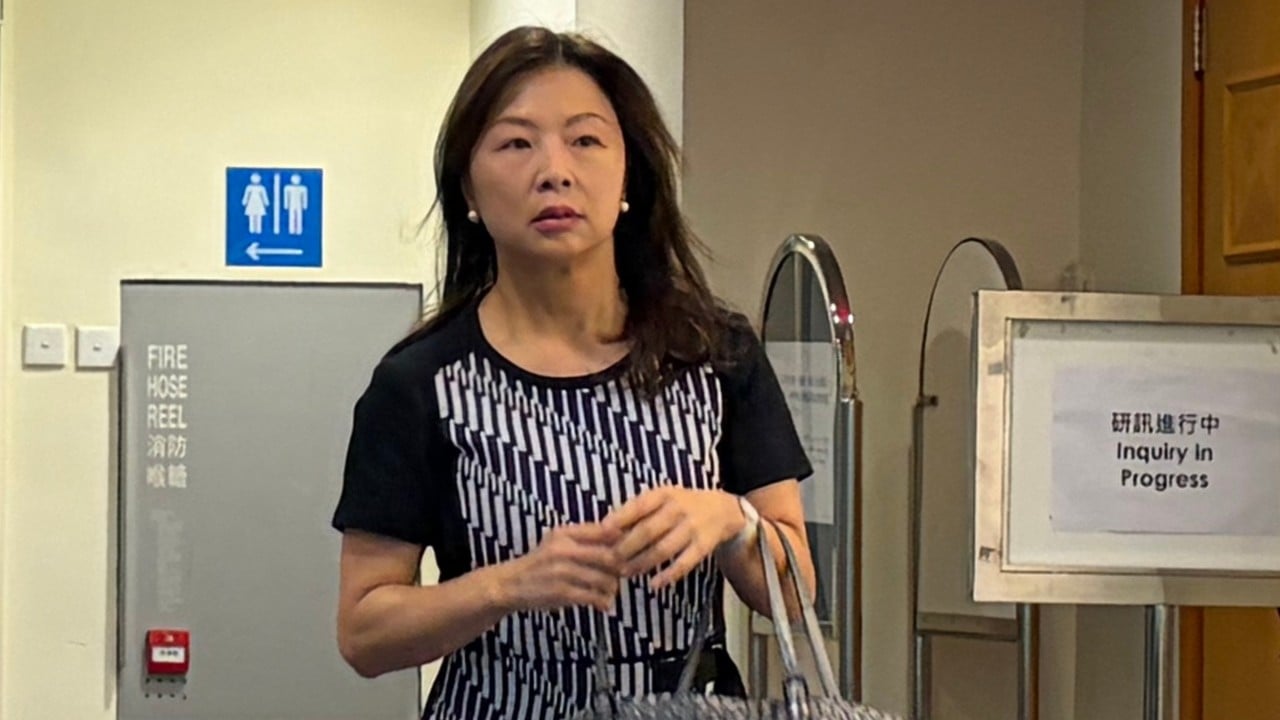
Think you can treat Xiaohongshu like your personal clinic brochure? Think again. The Medical Council of Hong Kong just handed down a massive wake-up call to the city's medical community, and it centers right on the mainland-dominant lifestyle app RedNote.
Dr. Tinny Ho, a high-profile local dermatologist, found herself on the losing end of a disciplinary hearing. The verdict was clear. The watchdog ruled that she faces a six-month suspension from the general register if she steps out of line during a three-year suspended sentence. Her offense? Clinic advertisements splashed across RedNote.
This isn't an isolated mishap. It is a symptom of a much larger friction between rigid, decades-old medical ethics and the relentless pull of digital algorithms. Many private practitioners look at social media platforms and see free, direct access to thousands of potential patients. They forget that the Medical Council looks at those exact same platforms and sees professional misconduct.
The Reality Behind the Tinny Ho Verdict
The disciplinary case against Dr. Tinny Ho exposed a glaring blind spot in modern medical practices. In Hong Kong, medical advertising rules are incredibly strict. You cannot aggressively market your medical services to the general public. You cannot post content that inflates your skills, uses flashy graphics, or attempts to aggressively solicit clients.
When clinical promotions make their way onto an app like RedNote, which thrives on lifestyle aesthetic and direct consumer engagement, they violate these guidelines almost instantly. The Council found that the clinic advertisements published under her name or associated with her practice crossed the line from educational outreach into impermissible promotion.
A six-month struck-off order suspended for three years is a severe sentence. It means the Council is treating this as a serious ethical breach, not a minor administrative slip-up. One wrong move online over the next 36 months, and Dr. Ho will find herself completely unable to practice medicine in the city.
Why RedNote is a Landmine for Medical Compliance
RedNote, also known globally as Xiaohongshu, is a platform powered by peer recommendations. Users post before-and-after transformations, reviews of beauty procedures, and personal diary entries about their skincare journeys. For a dermatologist or plastic surgeon, it feels like the ultimate marketing tool. It isn't. It is actually a compliance trap.
The Algorithm Wants What the Law Forbids
To get views on RedNote, content must be highly visual, deeply personal, and result-oriented. The platform prioritizes engaging text, interactive comment sections, and direct links to service centers. Every single one of these features cuts directly against the grain of the Hong Kong Code of Professional Conduct.
The Medical Council requires medical information to be objective, factual, and strictly verifiable. It bans emotional appeals or anything that implies a doctor has superior skills over their peers. When you mix those rules with an app designed to hype up products and services, disaster follows.
The Patient Testimonial Loophole is Closed
Many practitioners try to hide behind the patient. They think that if a client posts a glowing review of a chemical peel or a laser treatment, the doctor is entirely blameless. The Medical Council does not see it that way.
The regulations state clearly that a practitioner can be held responsible if they sanction, acquiesce in, or fail to take adequate steps to prevent promotional material linked to their practice. If a patient tags your clinic in a highly commercialized post, and you share it, reply to it with pricing info, or offer them a discount for doing it, you are now complicit in illegal practice promotion.
The Rigid Boundaries of Hong Kong Medical Advertising
Hong Kong has historically maintained a strict stance on professional promotion. The foundational idea is simple. Medicine is a noble profession, not a commercial trade. Patients are vulnerable individuals seeking care, not shoppers looking for a bargain.
What You Can Actually Publish
The Code allows doctors to share basic practice information. This includes things like your name, your specialty, your registered qualifications, clinic addresses, consultation hours, and your official fees. You can put this on a simple clinic website or display it on a modest signboard outside your door.
What Will Get You Suspended
The line is crossed the moment you add marketing flair.
- You cannot use multi-colored fonts or ornate designs on your notices.
- You cannot offer flash sales, packages, or discounted rates for medical procedures.
- You cannot use dramatic before-and-after photos that promise a specific aesthetic outcome.
- You cannot claim to be the best, the most renowned, or the first to use a specific technique unless it is a verified, accepted medical distinction.
The Ignorance Defense is Officially Dead
A common defense in these disciplinary hearings is that a third-party agency handled the social media accounts. Doctors claim they were too busy treating patients to notice what their marketing team posted on RedNote or Instagram.
The Medical Council has made its stance on this abundantly clear. You cannot delegate your professional ethics to a digital marketing firm. As a registered medical practitioner, the ultimate responsibility for any public-facing text or media rests entirely on your shoulders. If an agency you hired posts a rule-breaking ad to drive up your clinic appointments, you face the suspension, not the agency.
Dr. Ho's case drives this point home aggressively. The three-year suspended sentence acts as a massive warning flag for the rest of the private medical sector. It proves that the watchdog is actively monitoring mainland-facing applications and will not hesitate to issue harsh penalties to protect the integrity of the local healthcare system.
Immediate Steps to Protect Your Practice
If you run a medical clinic in Hong Kong, you need to audit your digital footprint immediately. Do not wait for a formal complaint from a competitor or a notice from the Medical Council.
First, scrub your social media profiles of any language that sounds commercial. Remove phrases that promise guaranteed results, erase any mention of limited-time discounts, and take down unauthorized patient video diaries. Keep your content educational. If you discuss a skin condition or a medical device, stick to peer-reviewed science, not sales pitches.
Second, re-evaluate your contracts with external PR agencies. Force them to read the Code of Professional Conduct. Implement a strict sign-off system where no post, story, or video goes live without your direct, written approval. Your license to practice medicine is worth far more than a few thousand likes on an app.
The era of blending medical expertise with lifestyle influencing is hitting a wall in Hong Kong. Play by the rules, or prepare to see your name removed from the register.