You take a late-night taxi in Hong Kong, expecting a quiet, routine ride home. Instead, the vehicle suddenly veers left, slamming violently into a steel roadside railing while you watch helplessly from the back seat.
This nightmare became reality at 11:45 PM on Thursday, July 16, 2026, on Ma Tau Pa Road in Tsuen Wan. A 58-year-old taxi driver was behind the wheel, heading toward Tsuen Wan Riviera Park with a male passenger. For reasons still under investigation, the driver apparently lost consciousness, causing the cab to drift out of control and crash.
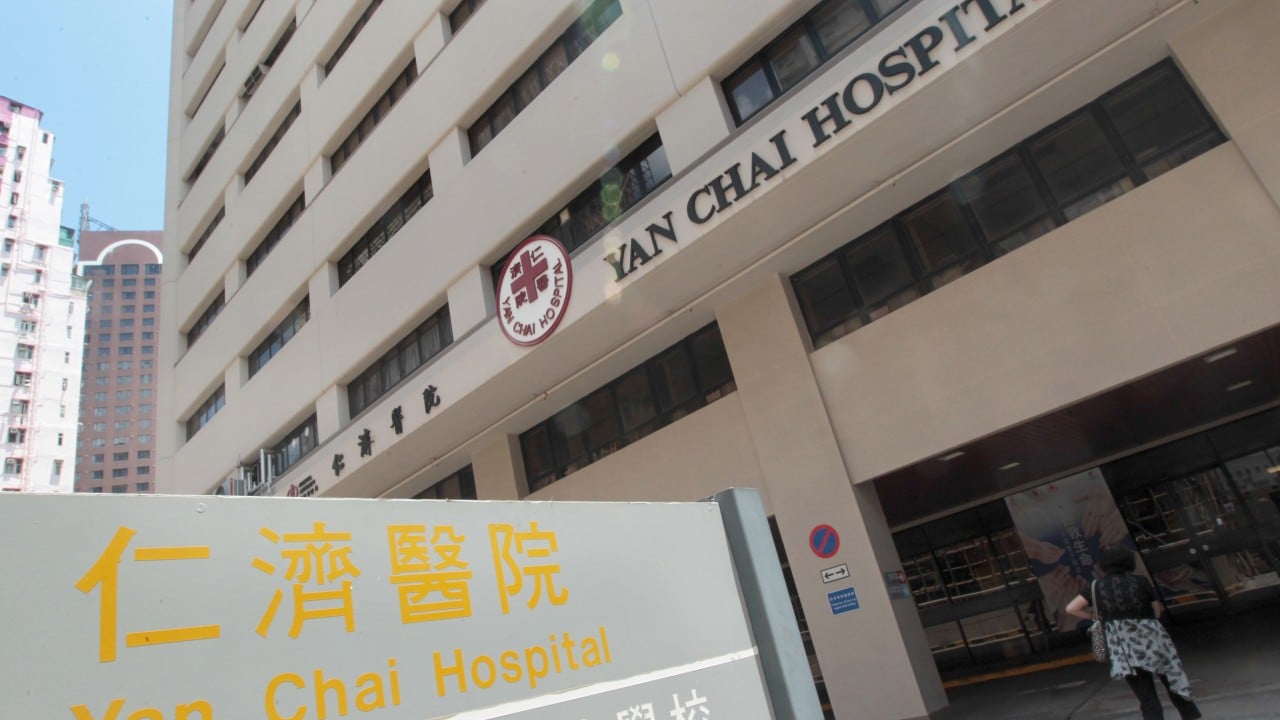
The driver, found completely unresponsive with no visible superficial injuries, was rushed to Yan Chai Hospital. He was certified dead at 1:06 AM on Friday, July 17. Meanwhile, the passenger escaped physically unhurt—but undoubtedly shaken.
While the police and the Special Investigation Team of Traffic for New Territories South piece together the physical evidence of this fatal accident, we need to address the massive, flashing red warning light hanging over Hong Kong’s entire transport system. This isn't just about one tragic crash in Tsuen Wan. It's about a deeply flawed, aging labor system that we keep refusing to fix.
The Reality of Hong Kong’s Graying Fleet
Honestly, if you've taken a cab in Hong Kong recently, you already know the deal. The average age of taxi drivers here is sky-high. We aren't talking about seasoned pros in their 40s or 50s. We're talking about a workforce where a staggering portion of drivers are well past retirement age.
Look at the numbers: over one-third of commercial drivers in this city are over 65. In the minibus sector, that figure climbs to a mind-blowing 70%. We have a system that relies almost entirely on senior citizens to keep our roads moving, yet we treat their medical fitness as an afterthought.
The Tsuen Wan tragedy is just the latest in a relentless series of high-profile crashes involving older drivers. In May 2026, a 70-year-old taxi driver plowed into a sitting-out area in Ngau Tau Kok, killing one pedestrian and critically injuring others. Just last year, official figures revealed that out of 4,984 taxi drivers involved in traffic accidents, a whopping 2,345 of them—nearly half—were over the age of 60.
The trend is clear, and it’s getting worse. Yet, our policy response has been incredibly weak.
The Broken Promise of Policy Reform
For years, the government has been playing a dangerous game of political hot potato with commercial driver health checks.
Under current regulations, general drivers enjoy ten-year licenses. It's only when a driver turns 70 that they must submit a medical examination certificate to the Transport Department—and even then, they only have to do it once every three years. If you're 69 years old, driving a heavy commercial vehicle or navigating tight urban streets in a 1.5-ton taxi for 12 hours a day, you face zero mandatory physical screenings.
Back in 2023, the government proposed lowering this medical check threshold from 70 to 65. Under that original plan, commercial drivers over 65 would have to pass strict annual physical exams to renew their licenses. It sounded like a sensible, albeit overdue, step toward public safety.
But then, the industry pushed back.
Taxi associations argued that annual checks would be too costly and troublesome, warning that older drivers would simply quit, worsening the chronic driver shortage. Bowing to pressure, the government watered down the proposal. Under the revised compromise, drivers aged 65 to 69 only have to pass a health check twice every five years (specifically at age 65 and 68). The annual health check requirement was pushed back, kick-starting only when a driver hits 70.
This compromise might keep taxi fleets staffed, but it leaves passengers and pedestrians vulnerable.
Why "Wait and See" is a Dangerous Strategy
The core issue isn't age discrimination; it's basic biological reality. As we age, our risk for sudden cardiovascular events, strokes, cognitive decline, and vision impairment rises dramatically.
When a private citizen suffers a medical emergency while driving, it’s a tragedy. When a commercial driver has one, it's a public safety catastrophe. They're operating heavy machinery in highly congested urban environments, responsible for the lives of their paying passengers and everyone else sharing the road.
If a driver has an undiagnosed heart condition or suffers from extreme fatigue due to working punishing 12-hour shifts to cover high vehicle rental fees, the current system does nothing to catch it before they get behind the wheel. We're essentially relying on luck.
Some lawmakers have even pushed for a hard retirement age for commercial drivers, pointing out that having 90-year-olds driving taxis sends a terrible message about Hong Kong's safety standards to the rest of the world. While a hard cutoff might be politically difficult, failing to mandate strict, annual medical assessments for everyone over 65 is simply irresponsible.
Practical Next Steps to Safeguard Our Roads
We don't need to ban older drivers from working, but we must establish a system that ensures they're actually fit to do so. To move forward, Hong Kong must take immediate action:
- Reinstate the annual health check mandate for all commercial drivers aged 65 and above. The compromise to check drivers only twice every five years leaves too wide a window for rapidly deteriorating health conditions to go unnoticed.
- Standardize and subsidize the medical exams. To prevent drivers from quitting due to high medical costs, the government should provide fully subsidized, standardized physicals at designated clinics, focusing on cardiovascular health, eyesight, reflexes, and cognitive function.
- Introduce driver telematics and monitoring technology. Implementing basic, non-intrusive monitoring systems—like lane-departure warnings or automatic emergency braking—can act as a crucial safety net if a driver suddenly loses consciousness.
- Address the root cause of driver fatigue. The government must review the taxi rental system and working hour limits. Drivers wouldn't feel forced to work grueling, exhausting shifts past their physical limits if they weren't struggling to break even against steep daily rental rates.
Until we treat driver health as a core pillar of public transport safety, we'll keep seeing the same tragic headlines.