Imagine knowing that your chance of dying on a wooden boat is higher than on almost any other sea route on Earth. Now imagine boarding that boat anyway.
That is the reality for the Rohingya, a stateless Muslim minority fleeing ethnic violence and squalid camps. We just learned that two more boats carrying more than 500 people have likely capsized in the Bay of Bengal. The UN refugee agency (UNHCR) and the International Organization for Migration (IOM) are scrambling to confirm the details, but the outlook is grim. Most of those 500 souls are feared dead.
This isn't just another tragic accident. It's a symptom of a massive, systemic failure that the international community has chosen to ignore. It's easy to look at these shipwrecks as isolated humanitarian crises. They aren't. They're the predictable result of treating human beings like geopolitical garbage.
Let's look at what actually happened and why this disaster is different.
What Happened on the Two Missing Boats
The details trickling out are terrifying.
According to preliminary reports from international agencies, two vessels left Myanmar's western Rakhine state in late June. They were packed to the brim with families, children, and teenagers desperate to escape.
The first boat carried roughly 250 people. It vanished. Communication went silent shortly after it pushed off into the open ocean. There has been no sign of life since.
The second boat had about 280 people on board. Reports indicate it sank on July 8 off the coast of Ayeyarwady, a region in south-central Myanmar.
If you know anything about the Bay of Bengal, you know that June and July are the worst possible months to be on the water. The monsoon season brings unpredictable winds, torrential rains, and massive swells. Under normal circumstances, smugglers and refugees avoid these waters entirely during the summer.
The fact that these boats set sail anyway tells you everything you need to know. The situation on land has become so unlivable that a roaring monsoon sea looks like a safer bet.
Why Refugee Camps in Bangladesh Are No Longer a Sanctuary
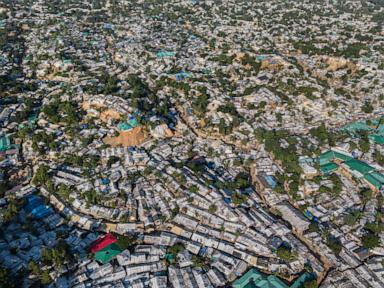
For years, the massive refugee camps in Cox's Bazar, Bangladesh, served as a grim but necessary refuge. Over a million Rohingya live there in tightly packed bamboo and tarpaulin shelters.
But things have changed. The camps have turned into a pressure cooker.
International funding has dried up. The United States and other Western nations have slashed foreign aid. This forced the UN to cut food rations inside the camps. Imagine trying to feed your family on less than nine dollars a month. That is what people are dealing with. Severe malnutrition is skyrocketing, and parents are watching their kids starve.
On top of the hunger, the camps are incredibly dangerous. Gangs have taken over the dark, unlit alleyways at night. Kidnappings for ransom, extortion, and drug-running are part of daily life. The Bangladeshi authorities, overwhelmed and frustrated by the endless nature of the crisis, have restricted the refugees' right to work. You can't leave the camp, you can't earn an honest living, and you can't feed your children.
When you strip away a person's dignity, safety, and food, you don't leave them with many choices. They run.
The Nightmare Inside Myanmar and the Escalating War
For those who never made it to Bangladesh, staying in Myanmar has become a death sentence.
Most Rohingya in Rakhine state have spent years locked in what are essentially open-air internment camps. They have no freedom of movement, no access to healthcare, and no basic citizenship rights.
Then the civil war got worse.
Since the military coup in 2021, Myanmar has been tearing itself apart. In Rakhine state, the military junta is fighting a brutal war against the Arakan Army, an ethnic insurgent group. The Rohingya are caught right in the middle of the crossfire. Both sides have targeted them. The military has forced young Rohingya men to conscript and fight against the rebels, using them as human shields. Meanwhile, the Arakan Army has been accused of burning down Rohingya neighborhoods and killing civilians as they capture territory.
Think about that. The military that committed a literal genocide against your people in 2017 is now dragging you to the frontlines to fight their war.
It's a trap. If you stay, you get shelled, starved, or forced into combat. If you cross into Bangladesh, you face starvation and gang violence.
So, you look at the sea.
A Silent Humanitarian Catastrophe That the World Ignores
The numbers are horrific. The UNHCR reported that 2025 was the deadliest year on record for Rohingya maritime crossings. Over 6,500 people tried to flee by boat, and nearly 900 died or went missing. That is the highest mortality rate of any major water migration route in the world.
Yet, the global response is a collective shrug.
Regional governments in Southeast Asia do everything they can to look the other way. When distressed refugee boats drift near the shores of Thailand, Malaysia, or Indonesia, maritime authorities often engage in what human rights groups call a game of human ping-pong. They push the boats back out into international waters, hand them a bit of water and fuel, and tell them to go somewhere else.
This violates basic international maritime law, which obligates any ship or nation to rescue those in distress at sea. But because the Rohingya are stateless, no country wants to take responsibility for them. They're treated as a security threat rather than a humanitarian emergency.
What Needs to Happen Next to Stop the Deaths
We can't keep acting surprised when these boats sink. If we want the shipwrecks to stop, the international community has to change its approach.
Here is what needs to happen immediately.
- Fund the humanitarian response in Bangladesh. The UN needs the money to restore full food rations. Desperate people don't board death traps on the ocean when they have food and safety on land.
- Establish a coordinated search and rescue system. Countries around the Andaman Sea and the Bay of Bengal—including Thailand, Malaysia, Indonesia, and India—must coordinate to actively monitor these waters and rescue distressed vessels instead of pushing them back to sea.
- Create pathways to legal resettlement. The Rohingya need options. If third-party nations took in even a small percentage of these refugees, it would relieve pressure on Bangladesh and offer a safe, legal alternative to human smugglers.
- Hold the Myanmar military accountable. The root of this entire crisis is the denial of citizenship and basic human rights in Rakhine state. Without addressing the ongoing civil war and the military's abuses, the flow of refugees will never end.
This latest tragedy of 500 missing people should be a massive wake-up call. Sadly, if history is any indication, it will likely be forgotten by the next news cycle. But the families of those lost on the Bay of Bengal don't have the luxury of forgetting. They're left waiting for news that will probably never come.