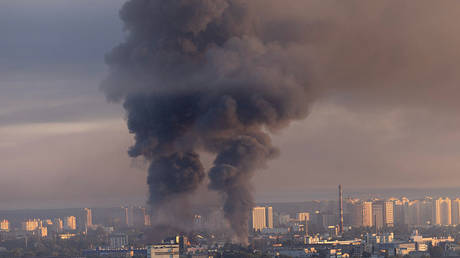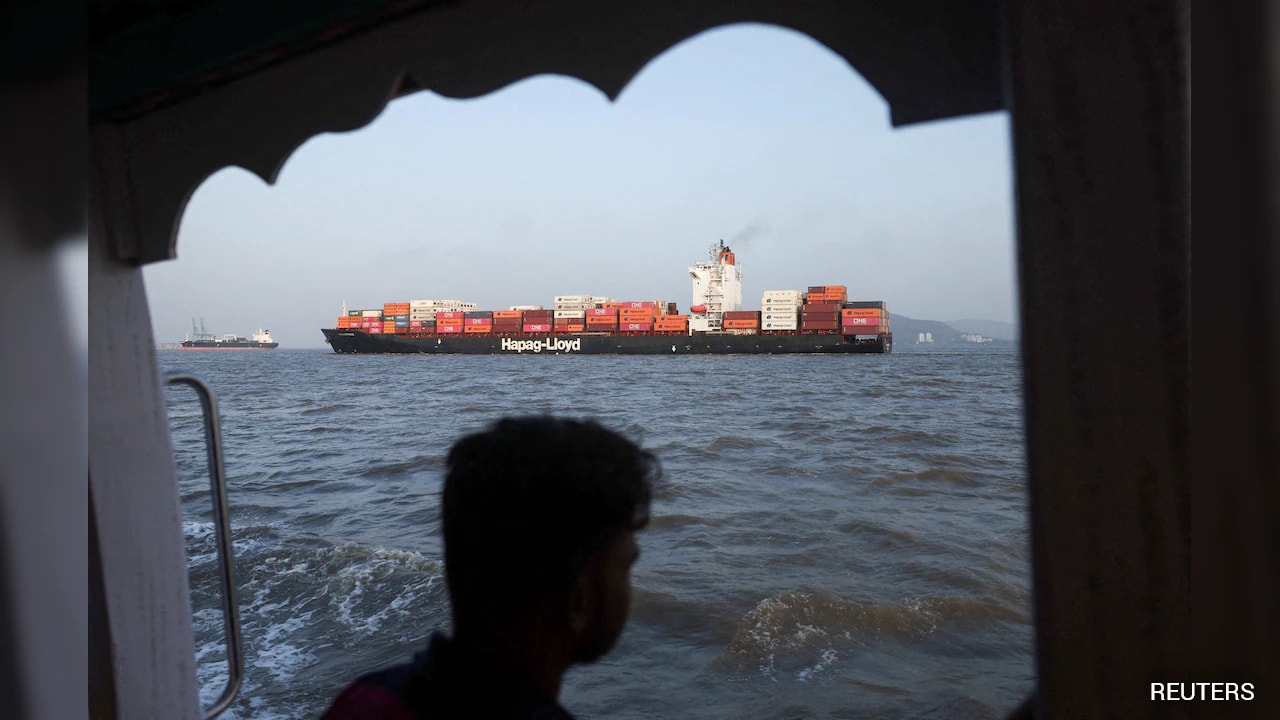
The Strait of Hormuz is a narrow stretch of water that basically acts as the throat of global energy trade. Right now, it’s also a shooting gallery.
If you've been following the sudden, violent escalation of the US-Iran war that kicked off on February 28, 2026, you know the situation is rapidly deteriorating. What was supposed to be a stable region has dissolved into a chaotic mess of missile strikes, naval blockades, and burning tankers.
India just made a massive, unprecedented call to protect its people. On July 15, 2026, the Directorate General of Maritime Administration (DGMA) issued a directive to shipowners, managers, and recruitment agencies: stop putting Indian sailors on vessels heading through the Strait of Hormuz. No exceptions, effective immediately, until further notice.
It's a drastic move. But honestly, they didn't have a choice.
The Human Cost Behind the Decision
This isn't just about high-level geopolitics or shipping lanes. It’s about people.
India is the third-largest supplier of seafarers on the planet. More than 300,000 Indian sailors keep the global merchant fleet running. Because they make up such a massive portion of international crews, they inevitably end up on the front lines when things go south.
They are paying a terrible price for a war that isn't theirs. Over the last few days, the reality of this conflict hit home in the worst way possible:
- Rohan Kumar, a 31-year-old from Gopalganj, Bihar, was killed on July 14 during a barrage of Iranian missile strikes targeting two UAE-associated oil tankers, the MT Mombasa and MT Al Bahiyah.
- Herambh Karmarkar, a 30-year-old from Pune, died just days earlier when the commercial vessel MV GFS Galaxy was hit on July 12.
- Three more Indian sailors were killed when US Central Command forces fired on the Palau-flagged tanker MT Settebello after it allegedly violated the American naval blockade.
Since the war broke out earlier this year, at least 13 Indian seafarers have lost their lives in the crossfire. The maritime regulator had to draw a line in the sand.
What the DGMA Order Actually Demands
The DGMA Circular No. 36 of 2026 is direct and leaves very little room for interpretation.
First, shipowners and Recruitment and Placement Service (RPSL) companies are strictly ordered to halt the deployment of Indian crew members on any transit planning to pass through the Strait of Hormuz.
Second, for vessels already operating in the Persian Gulf, the Strait of Hormuz, or adjacent waters, the DGMA has ordered shipmasters to trigger maximum security vigilance. They must continuously track navigation warnings and implement their official Ship Security Plans.
If things go sideways, crews have been told to bypass standard channels and immediately contact the Indian Navy’s Information Fusion Centre-Indian Ocean Region (IFC-IOR) or the DG Communication Centre.
Why the Danger Is Different This Time
Historically, merchant shipping in the Middle East operated under a tense but predictable status quo. Even when Iran and the US postured, they usually avoided targeting random merchant crews.
That playbook is gone.
The brief June 2026 truce between Washington and Tehran has completely collapsed. The US has reimposed a strict naval blockade on Iranian ports, using active military force to disable any shipping vessels trying to run it. Iran has responded by targeting UAE, Bahraini, and allied commercial vessels with cruise missiles and drone strikes.
In the past, shipping companies could rely on flags of convenience or international law to keep their crews safe. Today, if you’re floating through the Strait of Hormuz, you're a target for both sides. The US military is firing on engines; Iranian forces are launching cruise missiles at hulls.
This presents a massive headache for the shipping industry. How do you reroute when a substantial chunk of your crew is Indian, and their home government has just banned them from entering the region?
The Diplomatic Tightrope
New Delhi is trying to balance its massive economic interests in the Middle East with the safety of its citizens.
Immediately following the strike on the MT Mombasa, India summoned Iran’s Deputy Chief of Mission, Mohammad Javad Hosseini, to deliver a fierce, formal protest. The Ministry of External Affairs condemned the attacks and demanded an immediate end to hostiles targeting civilian maritime infrastructure.
Yet, India cannot simply cut ties. It relies heavily on Middle Eastern oil, and its relationship with Iran is strategically important, especially regarding regional transit routes like the Chabahar port. By banning the deployment of sailors rather than halting all shipping, India is trying to shield its people without completely shutting down its own energy supply chain.
Practical Next Steps for Maritime Operators
If you manage logistics, run a shipping firm, or employ Indian seafarers, you need to adapt immediately to the DGMA’s stance.
- Audit Your Crew Manifests: Check every vessel currently route-planned through the Persian Gulf or Strait of Hormuz. If you have Indian nationals scheduled to board or currently on route to transit the Strait, you must stop the deployment.
- Reroute Where Possible: If a voyage can avoid the Strait entirely—even if it adds significant time and fuel costs—it’s time to take the long way around.
- Establish Direct Military Communication: Ensure your shipmasters have the contact information for the Indian Navy's IFC-IOR pre-programmed into their emergency communication suites. Do not wait for an incident to find these frequencies.
- Review Insurance and War-Risk Clauses: With the collapse of the June peace agreement, maritime insurance premiums for the region are spiking. Confirm your coverage limits for active conflict zones.
The era of assuming commercial vessels are neutral observers in the Gulf is over. India’s policy shift is a clear warning: protect your crew, because the state actors in the Strait of Hormuz won't.


:max_bytes(150000):strip_icc():focal(749x0:751x2)/scott-peterson-011924-4-fdb17804e77f438a8797e61ff48e1aea.jpg)