India wants a seat at the world’s most powerful table, and it is not playing nice anymore.
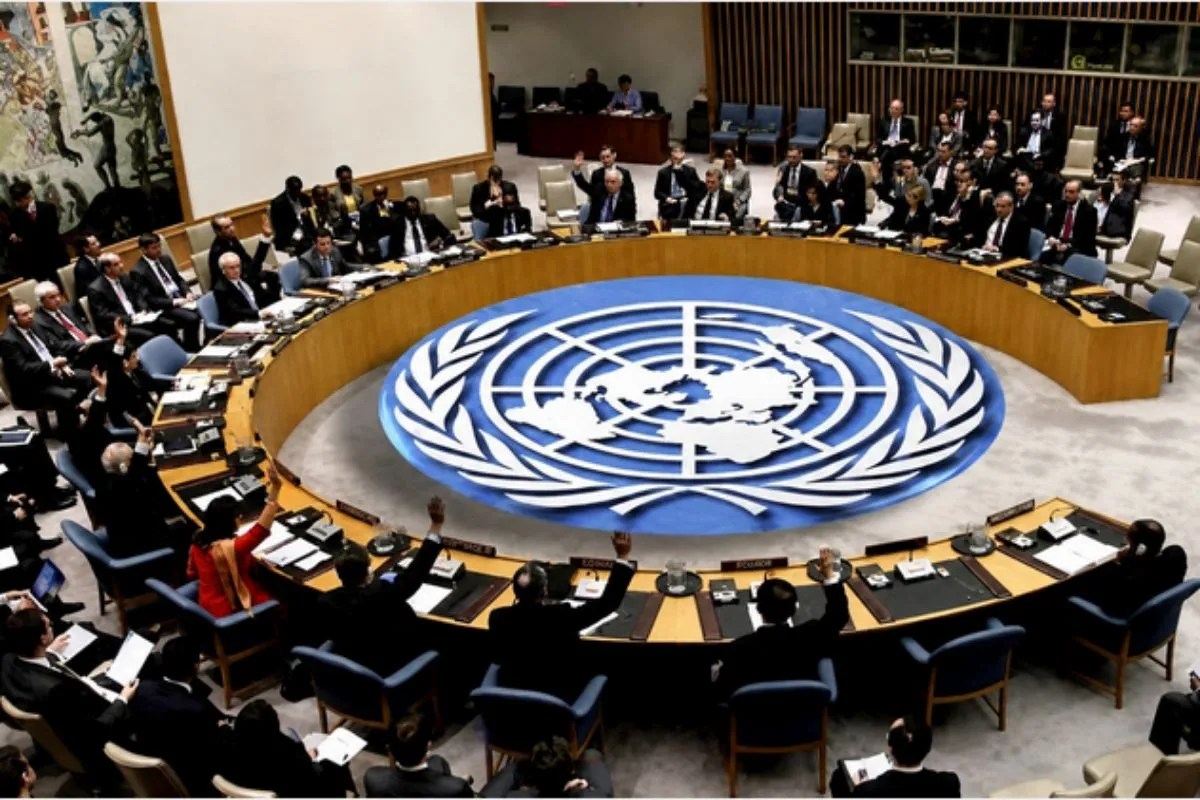
On July 13, 2026, External Affairs Minister S. Jaishankar stood inside the United Nations headquarters in New York to launch the official campaign for India’s bid to secure a non-permanent seat on the UN Security Council (UNSC) for the 2028-29 term. The room was packed with foreign diplomats, ambassadors, and representatives from the big five permanent members.
If you think this is just another routine diplomatic exercise, you’re missing the bigger picture.
This isn't just about getting a temporary plaque at a horseshoe table in New York. It is a direct challenge to an outdated global order that treats the world’s most populous nation as an outsider. It's about power, representation, and survival in an increasingly unstable world.
Let's break down what is actually happening and why this campaign matters to you.
The Cold Reality of the June 2027 Vote
The actual election for the 2028-29 term doesn't happen until June 2027. Why launch a campaign a year in advance? Because diplomacy at this level is a marathon, not a sprint.
India is contesting the single, coveted seat allotted to the Asia-Pacific Group. The competitor? Tajikistan. On paper, India’s massive diplomatic machinery should easily secure the required votes. But nothing is guaranteed in the halls of the UN. Every single vote from island nations, African states, and European allies must be secured through hard negotiation.
If India wins, this will be its ninth term as a non-permanent member.
But let's be honest. The non-permanent seat is a consolation prize.
The real goal remains a permanent seat with veto power. By running a highly visible campaign now, India is keeping the pressure on the permanent five (P5)—the US, UK, France, Russia, and China—to reform a system stuck in 1945. The current setup reflects the world as it was at the end of World War II, not the reality of the twenty-first century.
Decoding the SHANTI Framework
Jaishankar introduced a specific brand for this campaign: the "SHANTI" framework. In Sanskrit, Shanti means peace. But in New York, it stands for "Securing Advancement through Norms, Trust and Integrity".
That sounds like classic diplomatic jargon. It's not.
Look closely at those words.
- Norms: A direct dig at countries that ignore international law when it suits them (think of maritime disputes or border escalations).
- Trust: Something in short supply in global politics right now.
- Integrity: A call for honest systems of global governance.
The world is fractured. Between ongoing wars, supply chain disruptions, and rising regional conflicts, the existing multilateral systems are failing. By centering its campaign on "SHANTI," India is positioning itself as the adult in the room. It is presenting itself as a stabilizing force that can bridge the growing gap between the West and the rest of the world.
The Peacekeeping Argument Nobody Can Refute
When India asks for your vote at the UN, it doesn't just show up with empty promises. It brings a ledger written in blood and service.
India’s contribution to UN peacekeeping is unmatched. Since the UN was founded, India has sent nearly 300,000 personnel to serve in roughly 50 peacekeeping missions worldwide. Right now, about 4,300 Indian troops, police, and experts are active in 10 of the 11 ongoing UN missions.
This is not cheap talk. It is a concrete commitment to global security.
Indian peacekeepers have died protecting civilians in areas where western powers refused to send their own troops. When India argues for a seat on the Security Council, it is pointing to this legacy. The message is clear: if we do the heavy lifting to keep the peace, we deserve a say in how those peace missions are run.
Bridging the Gap for the Global South
There is a massive divide in global politics today. The wealthy, developed nations of the West are highly focused on their own strategic challenges. Meanwhile, the developing world—often called the Global South—is struggling with debt, food insecurity, climate disasters, and broken supply chains.
India has positioned itself as the self-appointed leader of this Global South.
And it has the receipts to prove it.
India is currently funding and executing development projects in 79 countries. During the pandemic, it shipped vaccines to nations that the West ignored. By taking a seat at the UNSC, India plans to use its voice to ensure that the concerns of these 79 countries—and dozens more—are not pushed aside by the geopolitical chess games of the P5.
If you look at the voting patterns in the UN General Assembly, the votes of these smaller nations carry immense weight. By standing up for them, India secures the coalitions it needs to win elections like the one coming up in 2027.
Tackling the Unconventional Threats
The traditional view of the UNSC is that it deals with wars between countries. But the threats of 2026 and beyond look very different.
During the launch, Jaishankar pointed to three specific areas where India wants to lead the discussion:
- AI Misuse: Artificial intelligence is moving faster than any international law. India is pushing for a human-centric model that prevents AI from being used to destabilize security or spread deep disinformation.
- Maritime Security: Protecting international sea lanes is vital for trade. India has been active in securing shipping routes against piracy and drone attacks, calling for strict adherence to the UN Convention on the Law of the Sea (UNCLOS).
- Terror Financing: Dismantling the economic structures that support global terror networks remains a core priority.
These are practical, modern problems. They require active, technical coordination rather than old Cold War-era posturing.
What Lies Ahead
Do not expect the UN to magically change overnight because of this campaign. The permanent five members are highly protective of their veto power and are unlikely to share it easily.
Yet, this campaign is a necessary stepping stone. To get the permanent seat, India must continuously prove that it can secure overwhelming support for the temporary seats.
If you want to keep track of how this campaign develops, watch how India negotiates bilateral trade deals and technology partnerships over the next year. Every deal signed, from Brussels to Latin America, will have a quiet, underlying request attached: "Support us in June 2027".
The diplomatic battle has officially begun. India is making its play, and the rest of the world is watching closely.
To see the official launch event and hear the arguments directly from the United Nations headquarters, check out this NDTV World report on India's UNSC campaign launch. It details the specific diplomatic strategies New Delhi is employing to win over key global players.

:max_bytes(150000):strip_icc():focal(749x0:751x2)/scott-peterson-011924-4-fdb17804e77f438a8797e61ff48e1aea.jpg)