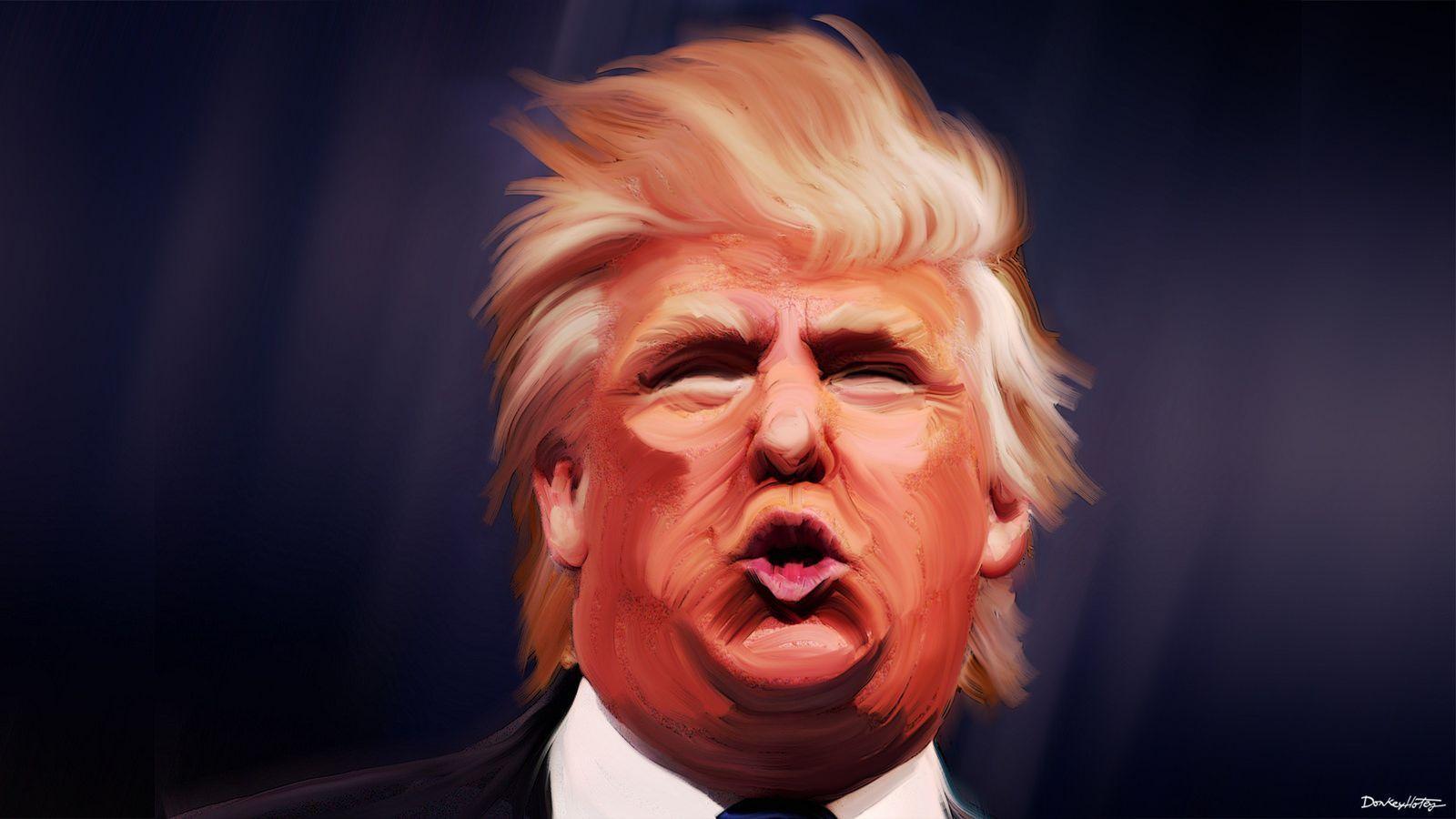
The temporary Iran ceasefire signed on June 17 is officially dead. Speaking from the sidelines of the NATO summit in Ankara, Turkey, US President Donald Trump didn't mince words. He called the Iranian leadership "scum" and "cuckoo," declared the weeks-old truce completely over, and dismissed further diplomatic talks as a total waste of time.
If you're wondering how a historic peace agreement collapsed in less than a month, look no further than the narrow waters of the Strait of Hormuz. The baseline reality of this conflict is simple. Washington thought it bought a temporary pause to stabilize global energy markets, while Tehran believed it had successfully forced the US to back down under the threat of a wider regional war. That fundamental mismatch made a return to direct military conflict inevitable.
With oil prices already spiking 5% and global stock markets tumbling, the collapse of this short-lived deal is shaking the global economy. This isn't just a war of words anymore. It's a massive, hot military exchange that threatens to drag the entire Middle East back into chaos.
The Overnight Explosion That Destroyed the Peace
The collapse didn't happen in a vacuum. It followed a chaotic 48 hours of heavy, tit-for-tat military actions that completely erased the progress made during June's negotiations.
The immediate trigger was a series of Iranian drone and missile attacks targeting three commercial oil tankers passing through the Strait of Hormuz. The British Royal Navy monitoring agency, UK Maritime Trade Operations, confirmed the vessels suffered significant damage. Washington viewed this as a blatant violation of the June 17 memorandum of understanding, which explicitly required Iran to keep the shipping lanes open.
The US response was immediate and sweeping. US Central Command launched over 80 targeted strikes across southern Iran. The bombardment hit heavy infrastructure in several key locations.
- Bandar Abbas: A critical port city housing major naval assets.
- Sirik and Qeshm Island: Key coastal positions used by the Islamic Revolutionary Guard Corps to launch fast-attack boats.
- Mahshahr: A strategic energy hub on the western coast.
According to Pentagon officials, the strikes targeted Iranian air defense networks, command-and-control centers, coastal radar installations, and more than 60 small attack craft used by the IRGC.
Tehran didn't back down. Hours later, the IRGC claimed retaliatory strikes against 85 military sites hosting US forces across Bahrain and Kuwait. While the Pentagon is still assessing the exact damage to those bases, the sheer scale of the exchange marks the most intense direct confrontation between the two nations since the war initially flared up in February.
Why the June 17 Memorandum Failed So Fast
To understand why this truce fell apart, you have to look at what both sides actually wanted. Trump was desperate to avoid a protracted economic crisis. Behind closed doors, he repeatedly voiced fears of becoming a modern-day Herbert Hoover, the president defined by the onset of the Great Depression. The closure of the Strait of Hormuz in February had choked off 20 percent of the world's oil supply, sending inflation fears through the roof. Trump needed that strait open to save his domestic economic agenda.
Because of that pressure, the US rushed into an interim agreement. The administration sent Vice President JD Vance, Middle East envoy Steve Witkoff, and Jared Kushner to Switzerland to iron out a 60-day pause. The US offered massive incentives, including revoking certain oil export bans and dangling a potential $300 billion reconstruction fund.
But the two sides never actually agreed on the core issues. They left the hardest parts for later.
Trump claims the Iranians lied straight to his face about their nuclear ambitions during the secret talks. He expressed deep frustration that what was discussed in private didn't match what Iranian officials said to the public. According to Trump, both sides had explicitly agreed that Iran would halt its nuclear weapon development. Instead, Iranian officials went out and joked to the press that the nuclear issue wasn't even on the table.
Iran sees it differently. The Iranian Foreign Ministry blames Washington for breaking the deal first. They point to the US Treasury revoking a critical license that authorized the sale of Iranian oil just 24 hours before the shipping attacks. Iran's parliamentary Speaker, Mohammad Bagher Ghalibaf, made their stance clear on social media, stating that the era of extortion is over and that Tehran will not fold under American pressure.
Market Chaos and the High Cost of War
The economic fallout from Trump's announcement was instantaneous. The illusion of safety in the energy markets vanished within minutes of his speech in Ankara.
Brent crude surged past $78 a barrel, marking a sharp 5.4% jump from the previous day's close. West Texas Intermediate followed a similar trajectory, climbing past $74. Energy analysts are already warning that if the Strait of Hormuz remains blocked or actively contested, oil could easily breach the triple-digit mark before the end of the summer.
Global equity markets took a massive beating. In London, the FTSE 100 plunged 1.4%, wiped out by heavy losses in airline and travel stocks that are highly sensitive to rising fuel costs. The mid-cap FTSE 250 dropped nearly 2%, while continental markets suffered even worse blows. The CAC 40 in Paris and the DAX 40 in Frankfurt both slid more than 2% as European investors braced for a renewed wave of supply-chain inflation.
NATO Secretary-General Mark Rutte tried to project a united front at the Ankara summit, strongly endorsing the US strikes as absolutely necessary. He argued that when a ceasefire is violated, a forceful reaction is the only language the baseline actors understand. But behind the scenes, European leaders are deeply terrified of what a long-term closure of Middle Eastern shipping lanes will do to their fragile economic recovery.
What Happens Next on the Ground
Diplomacy isn't completely dead, but it's on life support. Trump noted that he'll let Kushner and Witkoff keep talking to Iranian representatives if they want to, but he openly considers it a waste of time. He's shifted his stance back to maximum pressure and military deterrence.
For businesses, logistics firms, and energy traders, the operational environment has changed overnight. You can no longer count on any diplomatic safety net in the region.
If you are managing supply chains or tracking global markets, keep your eyes on these specific indicators over the next few days.
- Insurance Risk Premiums: Watch for maritime insurance companies hiking premiums for vessels traversing the Gulf of Oman and the Red Sea. If insurance becomes too expensive, commercial shipping through these routes will stop entirely, regardless of military escorts.
- US Treasury Sanctions: Look out for immediate, secondary sanctions targeting international banks that continue to process any remaining Iranian oil payments. The US administration is highly likely to clamp down on any remaining revenue streams to starve the IRGC of operational funds.
- Deployment Shifts: Track the movement of US naval strike groups toward the Arabian Sea. The Pentagon will need to heavily reinforce its presence to protect commercial tankers if they intend to force the Strait of Hormuz open by military might alone.
The short-lived peace of June is gone. The conflict has returned to its rawest form, and the coming weeks will determine just how high the price of this collapse will be.