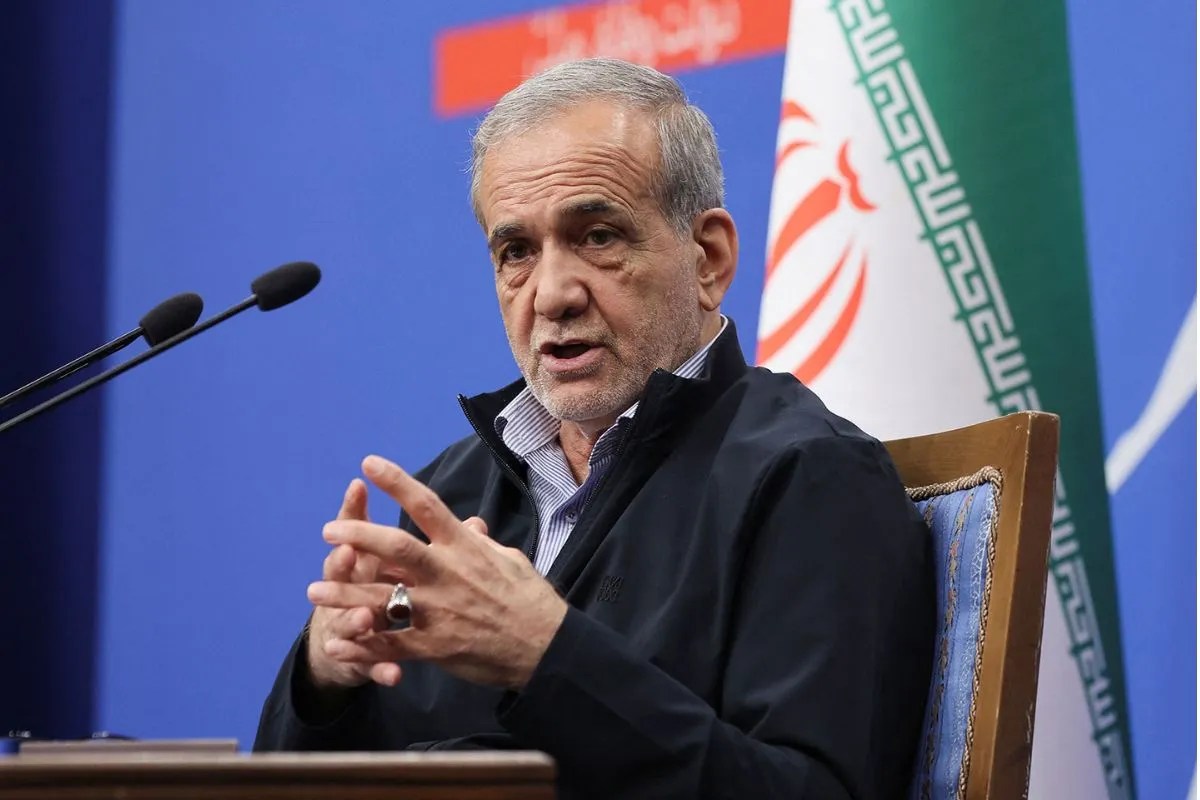
Iranian President Masoud Pezeshkian dropped a stark warning during a meeting of Iran's Supreme Judicial Council in Tehran. He declared that the Islamic Republic is now locked in a full-scale war with the United States—one that extends far past missile barrages and airstrikes into economic warfare and domestic survival.
If you've been following the ongoing regional crisis by only counting military hardware, you're missing the real story. The armed clashes, targeted airstrikes, and exchange of long-range fire tell only half the tale. The conflict has evolved into a multi-layered confrontation touching energy choke points, currency values, and supply chains across the Middle East.
What Pezeshkian Actually Said About the Struggle
Addressing high-ranking judicial authorities in Tehran, Pezeshkian made it clear that Washington realized military strikes alone won't force Iran into submission. He pointed out that the principal arena of confrontation has migrated directly into Iran's economy and the everyday livelihoods of its citizens.
In his address, Pezeshkian stressed that the nation must recognize the harsh reality of this confrontation and accept the natural burdens that come with resistance. He emphasized internal unity and political cohesion, pointing out that former political rivals like Mohammad Bagher Ghalibaf and Alireza Zakani have stepped up to support the administration.
The Iranian leadership insists that recent diplomatic exchanges haven't compromised core national interests. Pezeshkian defended Tehran's position during negotiations, asserting that Iranian representatives didn't concede a single clause regarding their sovereign rights, revolutionary values, or national security.
Economic Warfare as the Primary Battlefield
When military strategists talk about warfare, they usually focus on missile stockpiles, air defense radars, and troop deployments. But Tehran views the economic front as equally dangerous. The tightening of sanctions, disruption of shipping routes, and financial isolation create pressures that hit ordinary families every day.
For months, the naval standoff in the Strait of Hormuz has thrown global energy markets into turmoil. Crude oil prices jumped to one-month highs following renewed disruptions. When blockades hit maritime lanes, a fifth of global petroleum traffic faces immediate friction.
This economic pressure runs both ways. While Western sanctions aim to choke off Iran's oil revenue, Tehran uses its strategic position around maritime choke points to raise transport costs and drive up global inflation. That dynamic turns international trade routes into active combat zones without a single shot fired.
Mediation Attempts and the Ceasefire Talks
Behind the public warnings, diplomatic channels remain active behind closed doors. Iranian Foreign Ministry spokesman Esmaeil Baghaei confirmed that third-party intermediaries have transmitted specific proposals between Washington and Tehran.
Reports indicate that mediators presented a proposal featuring a 10-day truce designed to halt active hostilities. Under this framework, both parties would attempt to revive temporary agreements, reopen maritime transit, and establish a timeline for longer-term security arrangements.
Yet mistrust runs deep on both sides. Iranian Parliament Speaker Mohammad Bagher Ghalibaf publicly criticized Washington's actions, claiming that continued military supply shipments into the region contradict any genuine desire for peace. Meanwhile, Pentagon officials face their own operational constraints, including depleted air defense reserves and strained ammunition stockpiles from months of sustained operations.
Key Takeaways for Global Observers
Understanding where this conflict goes next requires looking past daily military briefings. Here are the core factors driving the situation:
- Economic Impact: The confrontation hits domestic livelihoods hard, turning inflation and trade access into primary points of strain.
- Choke Point Risk: Blockades around the Strait of Hormuz directly push up worldwide oil prices and global freight costs.
- Indirect Diplomacy: Third-party intermediaries continue passing truce proposals despite ongoing strikes.
- Domestic Alignment: Iranian political factions are consolidating positions internally to sustain long-term pressure.
Track official announcements from international energy agencies and maritime tracking services to monitor real-time shipping flows through regional waterways. Keep an eye on third-party diplomatic briefings out of regional capitals for early signs of binding truce agreements.