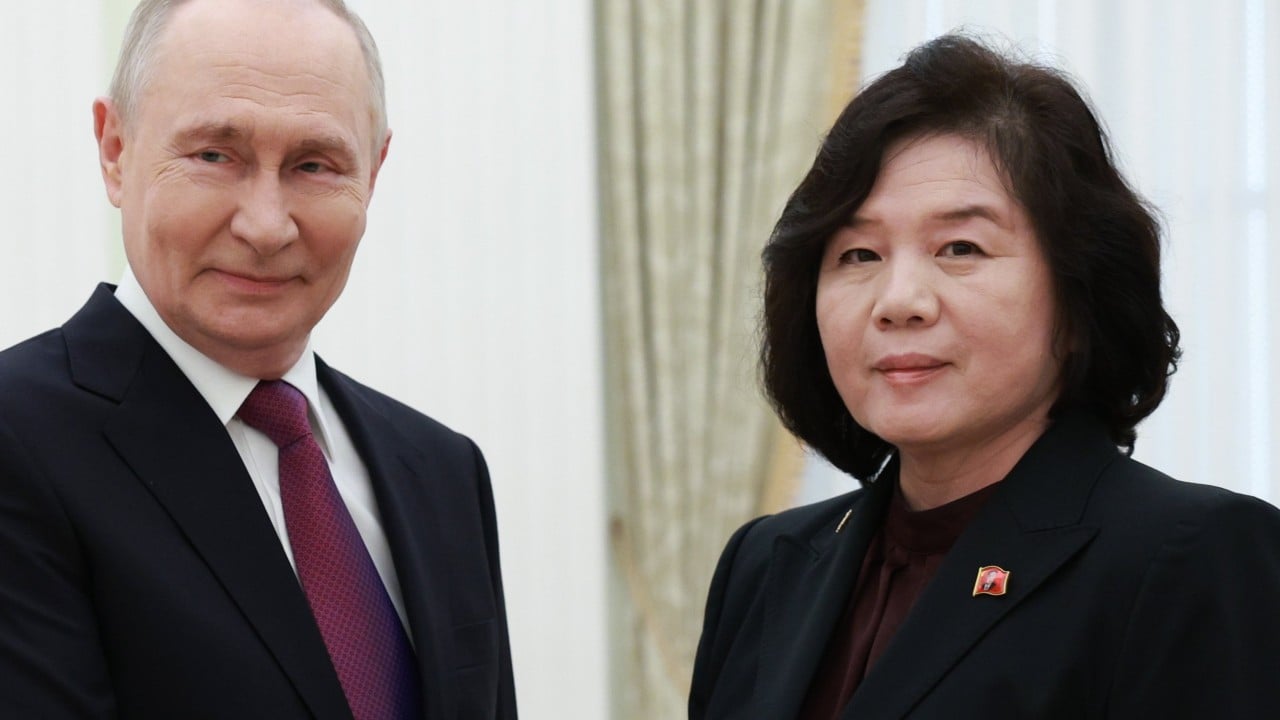
Pyongyang's top diplomat, Choe Son-hui, just landed in Moscow. While official channels call it a standard diplomatic invitation by Russian Foreign Minister Sergey Lavrov, anyone watching the region knows better. This unannounced arrival isn't about pleasantries; it's the opening act for Kim Jong-un's highly anticipated return trip to Russia.
The timing tells the real story. North Korea is playing a sophisticated game of balancing its two giant neighbors, and Moscow needs ammunition more than ever.
The Diplomatic Balancing Act
Don't buy into the narrative that North Korea is simply a rogue state reacting blindly to global pressure. Pyongyang is operating with high-level calculated leverage right now. Just last month, Chinese President Xi Jinping visited Pyongyang, followed closely by a high-profile visit from Wang Huning, Beijing's fourth-ranking official. North Korea's relations with China are thawing rapidly, which gives Kim immense leverage when dealing with Vladimir Putin.
Choe's immediate priority in Moscow is reassuring the Kremlin that North Korea's cozying up to Beijing won't come at Russia's expense. By doing so, Pyongyang establishes itself as the indispensable central pillar of a trilateral alignment meant to counter the South Korea-US-Japan security axis. Kim isn't begging for attention; he's being courted by both capitals simultaneously.
The Price of Blood and Ammunition
Russia's reliance on North Korean military aid has evolved from a temporary fix to a core strategic dependency. Recent Ukrainian drone strikes inside Russian territory have escalated the conflict, driving Moscow's demand for artillery shells, ballistic missiles, and even human personnel.
However, South Korean intelligence indicates a significant hitch: Pyongyang feels it hasn't been properly compensated yet for deploying its troops to the frontlines in Kursk.
Pyongyang's Shopping List:
- Advanced satellite reconnaissance tech
- Modern fighter jet blueprints
- Submarine propulsion systems
- Immediate food and energy shipments
Kim wants the good stuff—advanced telemetry, nuclear submarine components, and advanced aviation tech. Choe's closed-door sessions are designed to hammer out these exact transactional terms before Kim ever boards his armored train.
Mapping the Logistics of the Summit
If the details are successfully ironed out, where will the two leaders actually meet? Two distinct possibilities are on the table.
The conservative bet points toward Russia's Far East in September during the Eastern Economic Forum, mirroring their 2023 meeting at the Vostochny Cosmodrome. It's secure, close to the border, and logistically manageable for Kim's armored transport.
The bolder alternative? Kim travels all the way to Moscow. A formal state visit to the heart of the Kremlin would send a massive geopolitical shockwave to the West, signaling that North Korea's international isolation is officially dead.
What Happens Next
Watch the joint statements out of Moscow over the next forty-eight hours. Look past the boilerplate language about "traditional friendly ties" or "strategic partnerships." The real indicators will be subtle shifts in how both nations address technological cooperation and regional defense treaties. If Russia suddenly announces new bilateral economic or space launch support initiatives, consider Kim's travel itinerary locked in.