The global oil market is sleepwalking into a massive supply shock.
For months, traders behaved as if the worst of the Middle East crisis was behind them. The June 17 interim ceasefire brought a brief, fragile peace, and oil prices drifted down from their dizzying March peak of $118 a barrel. But that complacency died this week.
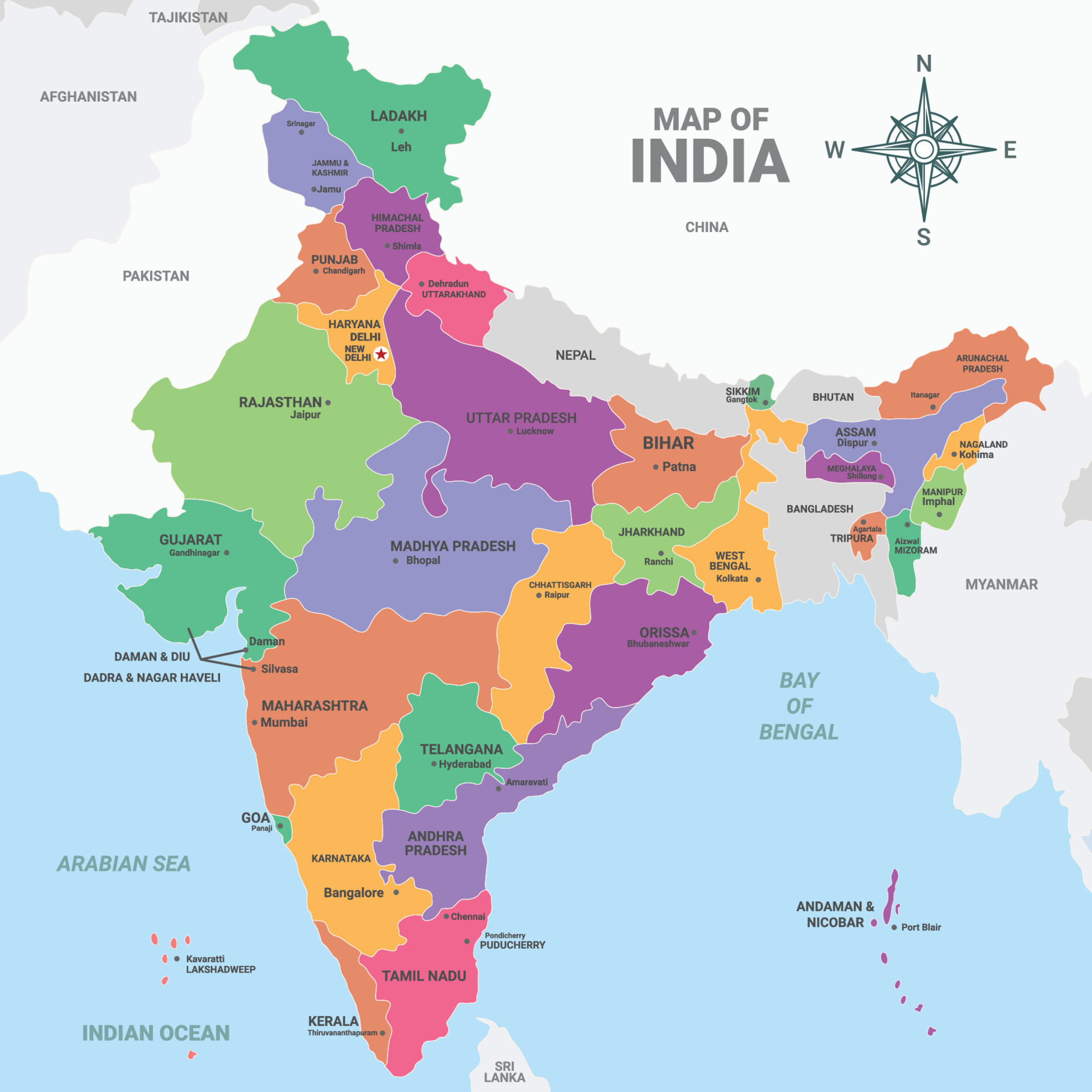
With both Washington and Tehran declaring rival blockades over the world’s most critical maritime chokepoint, we’ve entered a highly volatile phase of geopolitical brinkmanship in the Strait of Hormuz. On Monday, US President Donald Trump announced the US is reinstating its naval blockade on Iranian shipping. He even declared the US would act as the official "guardian of the Hormuz Strait," floating a highly controversial plan to charge a 20% reimbursement fee on all cargo transiting the waterway.
Tehran responded instantly. Over the weekend, Iran declared the strait closed once again, backed up by fresh drone and missile strikes targeting US facilities across the Gulf. Tanker traffic through the waterway immediately cratered to a five-week low.
Yet Brent crude is hovering just above $83 a barrel. While that is a sharp jump from last week, it shows that energy traders are still drastically undercalculating the risk. They’re treating this like a brief operational hiccup.
It isn't. The safety net that protected the global economy during the spring conflict has worn paper-thin. If you think the global economy can easily absorb another prolonged shutdown of the Persian Gulf, you’re misreading the math.
The Danger of a Squeezed Safety Net
During the initial 108-day conflict triggered by the February 28 joint US-Israeli strikes on Iran, global energy markets didn't collapse. Why? Because the world had a massive cushion.
Governments and commercial entities went into that crisis with incredibly high emergency petroleum reserves. Those reserves were aggressively drawn down to keep refineries running and gas stations supplied while dozens of loaded tankers sat stranded in the Persian Gulf.
But you can only burn through your savings once.
Today, those emergency stockpiles are severely depleted. The global energy market has virtually no margin for error left. If the strait remains choked for weeks—or if physical infrastructure is heavily damaged—there are no massive reserves waiting to bail us out this time. We are one major tanker strike away from a violent, structural price spike that could easily push crude back into triple digits.
Why Trump's Protection Fee Changes the Game
Washington's new strategy isn't just about security anymore; it's an aggressive attempt to rewrite the rules of global maritime commerce.
By demanding a 20% "reimbursement rate" on commercial cargo in exchange for US Navy protection, the White House is turning global shipping security into a transactional business model.
This creates massive headaches for shipping consortia and global insurers:
- Skyrocketing Insurance Premiums: Marine underwriters aren't going to wait around to see how this fee structure works. War-risk premiums, which had briefly stabilized, are spiking again as insurers price in active military operations.
- Choked Supply Chains: Shipowners now face a terrible choice. They can pay a massive premium to transit a militarized strait, risk running the gauntlet without protection, or route their ships on long, expensive detours around Africa.
- An Ecosystem Under Siege: This isn't just a financial crisis. Greenpeace Germany recently warned that over 85 fully loaded supertankers have been trapped or stalled in the Gulf. The risk of a catastrophic oil spill in the fragile, narrow waters of the Persian Gulf is at an all-time high.
The Threat of a Multi Front Shipping War
If you think the disruptions are limited to the Persian Gulf, look at the broader map.
Yemen’s Iran-aligned Houthi forces have already threatened to resume heavy strikes on vessels in the Red Sea and the Suez Canal. They want to choke off the primary alternative route for cargo trying to bypass the Strait of Hormuz.
                [ Suez Canal / Red Sea ]
                           │  (Houthi Threat Corridor)
                           ▼
              [ Bab-el-Mandeb Strait ]
                           │
                           ▼
  [ Indian Ocean ] ◄───────────────► [ Strait of Hormuz ] (US-Iran Blockades)
By squeezing both the Red Sea and the Strait of Hormuz simultaneously, regional forces can effectively isolate the entire Middle Eastern maritime corridor. This leaves global supply chains fragmented, driving up the cost of everything from consumer goods to industrial metals.
How to Prepare for the Volatility
The era of cheap, predictable shipping is over. As long as political brinkmanship dictates the safety of the world's primary energy arteries, high-alert volatility is the new normal.
If you are managing assets, supply chains, or corporate treasury, sitting on your hands is a recipe for disaster.
1. Hedge Against Sticky Inflation
Higher shipping costs and rising oil prices mean central banks will likely keep interest rates higher for longer. Don't bet on aggressive rate cuts. Keep portfolios positioned for persistent inflation.
2. Lock in Energy Contracts Now
If your business relies heavily on fuel or petrochemicals, do not wait for crude to test $100 again. Use the current relative calm in prices to lock in long-term supply agreements and hedge your energy exposure.
3. Diversify Maritime Transit Routes
Relying on just-in-time shipping through the Middle East is no longer viable. Companies must actively diversify their logistics networks, shift to air freight for high-value components, or build larger domestic inventories to buffer against sudden maritime blockades.

.jpg)
