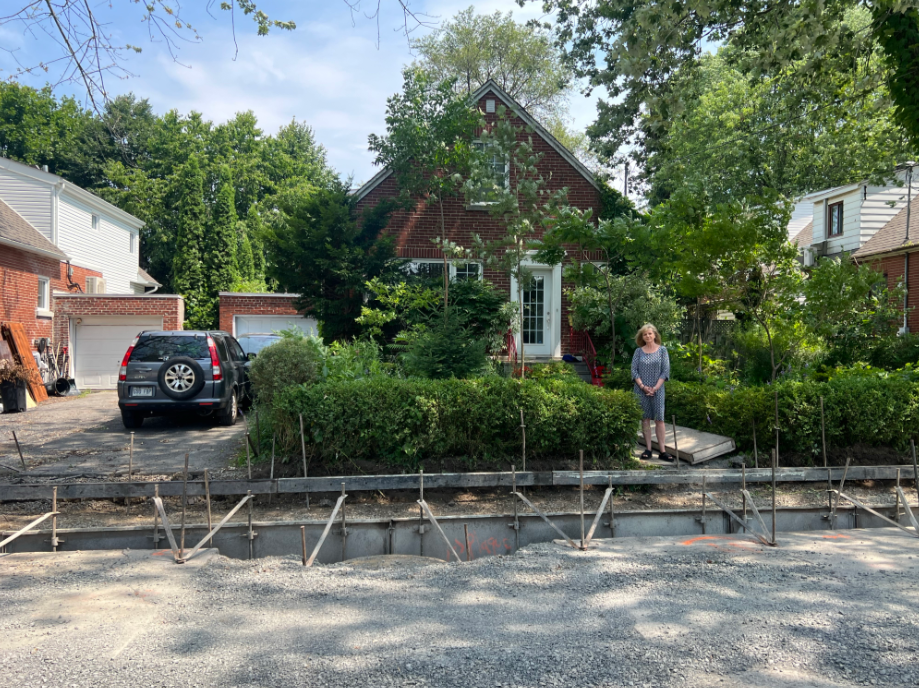
Imagine returning home from a relaxing ten-day vacation only to find that your driveway has vanished. It hasn’t been stolen, of course. Instead, it’s been completely severed from the street by a massive trench, leaving a gaping drop-off that makes it physically impossible to park your car, let alone leave your property by vehicle.
This isn't a hypothetical urban planning nightmare. It's the exact reality that greeted Alison Aylward, a resident of Kensington Avenue in Montreal's Notre-Dame-de-Grâce (NDG) neighbourhood, when she got back from a trip to Newfoundland. With no warning, no heads-up, and no compromise, her driveway and walkway were cut off from the road network by a major local infrastructure project. Discover more on a related subject: this related article.
"Either I catapult or zipline, or a possible leap in an inelegant gazelle-like fashion," Aylward joked when speaking about the sheer absurdity of the situation.
While her humor is admirable, the underlying issue is incredibly frustrating. It highlights a massive, systemic failure in how Canada's most famously orange-cone-infested city manages its infrastructure and communicates with the actual humans who live there. More reporting by Associated Press explores similar perspectives on the subject.
The Kensington Avenue Surprise and the Communication Breakdown
The work on Kensington Avenue is part of a larger, ongoing effort to rebuild the roadway and widen the sidewalks. On paper, these are exactly the kinds of active transport and infrastructure upgrades that modern cities need. In practice, the execution has been a masterclass in how to alienate an entire community.
Aylward’s main frustration isn't that the work is happening. She, like most reasonable people, knows that old roads eventually need to be ripped up. The anger stems from the total lack of preemptive communication. She received absolutely zero notice that her property would be rendered inaccessible by car.
She isn't alone. Neighbor Natalie Solomon reported that her household did receive a letter, but it arrived literally the day before the heavy machinery rolled in. Other residents on the street reported getting notices only after the construction crews had already started digging up the asphalt.
When the Côte-des-Neiges–Notre-Dame-de-Grâce borough was pressed on this, their response was the municipal equivalent of a shrug. In a public statement, the borough noted that things like traffic disruptions, noise, dust, and a complete lack of parking are simply "unavoidable" during projects of this scale. They added that contractors are technically required to notify residents before work begins.
But there’s a massive gap between what a contract says and what actually happens on the ground. When the city abdicates its responsibility to oversee these contractors, residents are the ones who pay the price.
The True Cost of Being Cut Off
Being unable to park in your driveway is a major hassle, but the consequences of these sudden blockages run far deeper than personal inconvenience.
For Aylward, the lack of access directly disrupted her volunteer work with NDG Caring Cooks, a local grassroots group that prepares and delivers food to families in need. When you're trying to transport large batches of prepared meals, you can't easily carry them across a construction zone that looks like an active archaeological dig.
Then there's the safety hazard. NDG is a dense, historic neighbourhood with plenty of families, elderly residents, and people with mobility issues. What happens if someone on a blocked-off street has a medical emergency?
"Imagine an emergency vehicle needs to get by, like an ambulance or a fire truck," one resident pointed out. "It leaves nearly no room."
When a street is torn to pieces with no temporary walkways or ramps installed, an ambulance crew might have to carry a stretcher over piles of loose dirt, exposed pipes, and deep trenches. It’s a recipe for disaster. The city's claim that these disruptions are "unavoidable" ignores the basic duty of care they owe to their citizens.
The Absurdity of the Quebec Construction Holiday
To make matters worse, the timing of this project introduces another classic Quebec headache: the annual construction holiday.
For two weeks every summer, late July brings a near-total halt to construction sites across the province. In the case of Kensington Avenue, the city expects the project to drag on until September. However, crews will pack up and leave the site abandoned for those two weeks in late summer.
The city has promised that driveways will be made accessible before the workers go on vacation. But this raises a glaring question: if the technology and resources exist to make these driveways temporarily accessible for a two-week holiday, why couldn't those same measures be put in place while the work was actually active?
Leaving residents stranded for weeks, only to temporarily patch things up so workers can go to the beach, is a bizarre way to prioritize project management. It shows that the comfort of the public is often the very last consideration on the municipal checklist.
How to Handle Being Blocked in by Montreal Roadwork
If you live in Montreal, there's a very high chance you will eventually find yourself in a similar situation. When the orange cones arrive and your driveway is suddenly cut off, sitting on your porch and sighing won't solve the problem. You have to take action.
Contact Your Borough Office Immediately
Don't wait for the contractor to fix it. Call 311 right away and document your issue. Tell them specifically if you have mobility issues, medical appointments, or if you run a home business that requires physical access.
Document Everything with Photos and Dates
Take clear photos of your blocked driveway, the lack of temporary pedestrian ramps, and any safety hazards. Note the exact date and time the access was cut off and whether you received any written notice beforehand. This paper trail is vital if you need to file a formal complaint or seek compensation.
Lean on Your Local City Councillor
Contractors and city bureaucrats often ignore individual citizens, but they hate hearing from city councillors. Find out who represents your district in the CDN-NDG borough (or whichever borough you live in) and send them an email with your photos. Public pressure works.
Know Your Rights Under the Civil Code of Quebec
Under Quebec law, municipalities generally have a lot of leeway when it comes to temporary inconveniences caused by public works. However, they do not have a license to act with gross negligence. If the city or its contractor completely blocks your access without warning and causes you direct financial harm (such as missed work or damaged property), you may have grounds for a claim. You must file a written notice of claim with the city within 15 days of the event to preserve your right to sue for damages.
Actionable Next Steps for Montreal Residents
If you want to protect yourself from getting caught off guard by the city's next surprise digging project, take these steps today.
- Sign up for Info-Travaux notices: Go to the City of Montreal’s website and register for their system. You can receive email or SMS alerts for planned work in your specific sector, though as NDG residents found out, it isn't always foolproof.
- Join your local community Facebook group: Often, neighbours who spot surveyors or early marking paint on the asphalt will post warnings in local groups days before official notices (or the lack thereof) arrive.
- Keep a 15-day claim template ready: If your property is damaged or your access is cut off in a way that causes financial loss, write down your timeline immediately. You only have a 15-day window from the day of the incident to file a property damage claim with the City of Montreal. Do not miss this deadline.
Ultimately, infrastructure projects are necessary, but treating residents like an afterthought is not. The situation on Kensington Avenue is a stark reminder that Montrealers must remain vigilant, noisy, and ready to demand the basic respect and communication they pay for through their tax dollars.