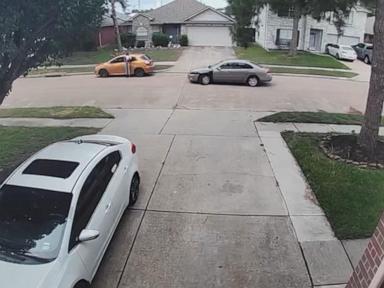
A viral video captures a DoorDash driver getting hit by a car, getting right back up, and walking to the front door to drop off an order. On social media, the comment sections fill up with praise. People call her a hero. They applaud her work ethic. They joke about giving her a five-star rating and a massive tip.
It is not inspiring. It is terrifying.
When we look at a delivery worker prioritizing a bag of fast food over their own physical health after a literal traffic accident, we are not looking at a heartwarming story of dedication. We are looking at the dark reality of the gig economy. The conversation around these viral moments usually misses the point entirely. We fixate on the individual grit while completely ignoring the system that forces someone to keep walking after getting hit by a multi-ton vehicle.
The Reality Behind the Delivery Hustle
Gig workers do not push through injuries because they just love customer service that much. They do it because the alternative is financial penalties, deactivated accounts, or lost wages they cannot afford.
When you drive for apps like DoorDash, Uber Eats, or Grubhub, you operate under an algorithm. The algorithm tracks your speed, your completion rate, and your customer ratings. If you stop because a car clipped your bumper or knocked you off a bicycle, the app doesn't automatically pause and offer sympathy. The timer keeps ticking.
Drivers know that a failed delivery can trigger an automated flag. Get too many flags, and the system kicks you off the platform. For someone relying on this income to pay rent or buy groceries, deactivation is a financial catastrophe. The sheer pressure to complete the job overrides the basic human instinct to stop, check for internal injuries, and wait for emergency services.
What Happens When a Gig Worker Gets Hurt
Most people assume that if you are working for a multi-billion-dollar tech company, you have some protection if things go sideways on the road. That assumption is flat-out wrong.
Independent contractors do not get standard workers' compensation. If a traditional employee gets injured on the job, the company insurance covers medical bills and lost wages. For a DoorDash driver, the situation is incredibly messy.
DoorDash does provide occupational accident insurance for drivers while they are on an active delivery, which is better than nothing. But navigating the claims process while dealing with injuries is a nightmare. Drivers often face massive deductibles, complicated paperwork, and long delays before seeing a dime. If they get hit while waiting for an order to pop up on their screen, they might not be covered by the company policy at all. They are stuck relying on their personal auto insurance, which frequently denies claims if they discover the vehicle was being used for commercial deliveries without a specific, expensive rideshare policy.
The driver in the video might have walked away from the crash, but adrenaline masks pain. Internal bleeding, concussions, and soft tissue damage do not always show up immediately. Walking up those porch steps to drop off food isn't a victory. It is a dangerous gamble with physical survival.
The Problem with Viral Hustle Porn
Media outlets love framing these incidents as feel-good human interest stories. You see the headlines all the time. A delivery driver walks three miles through a blizzard. A courier delivers food after a car crash. A fast-food worker never misses a shift in forty years.
This framing shifts the responsibility from corporations to individuals. It turns systemic vulnerability into a personal virtue.
When the media romanticizes this behavior, it sets a dangerous expectation. It signals to consumers that excellent service means risking your life for a burrito. It signals to other workers that they should feel guilty if they choose to go to the hospital instead of finishing their route. We need to start calling these stories what they actually are: symptoms of an unprotected labor market.
The Missing Safety Net in the Gig Economy
Tech companies spent hundreds of millions of dollars lobbying for laws like Proposition 22 in California to avoid classifying drivers as employees. They argued that flexibility is what workers want most.
Flexibility is great, but it shouldn't cost you your basic safety.
Because gig platforms treat drivers as independent entities, they successfully dodge the costs of providing health insurance, guaranteed hourly minimums during downtime, and comprehensive safety training. Drivers bear the full weight of the risk. They pay for their own gas, their own vehicle maintenance, and their own medical recoveries when things go wrong on the road.
The algorithm incentivizes speed. The faster you move, the more orders you take, and the more money you make. This setup naturally leads to higher risks. Drivers cut through traffic, rush across busy intersections, and work through extreme weather conditions just to keep their earnings viable. When an accident happens, the system is designed to keep moving, with or without the driver.
How to Actually Support Delivery Drivers
If you watch a video of a driver getting hit by a car and completing a delivery, don't just leave a comment saying "wow, what a beast." Change how you interact with the gig economy.
First, tip in cash whenever possible or maximize your tip in the app. Tips make up a massive portion of a driver's actual take-home pay. Higher earnings give drivers a tiny bit of breathing room so they don't feel forced to work through dangerous conditions.
Second, be patient. If your food is late, don't immediately open the app to complain or rate the driver poorly. You have no idea what happened on the road. A minor delay could mean the driver had to avoid a reckless vehicle or deal with a safety hazard.
Third, support policy changes that mandate better protections for gig workers. Several cities and states are pushing for laws that guarantee minimum pay per active hour and transparent insurance coverage. True progress happens when the companies are legally held responsible for the human beings making their platforms run.
The next time a viral video shows a worker pushing through a crisis to deliver a package or a meal, don't applaud. Demand better for them. No one should have to choose between their physical safety and keeping their job.