Six nights of Tomahawk cruise missiles and precision airstrikes don't just happen by accident. They represent a complete breakdown of what little order remained in the Persian Gulf. As the US military launched another wave of attacks at 18:00 GMT on Thursday, hitting vital coastal zones like Qeshm Island, Bandar Abbas, and Chabahar, it became clear that the diplomatic path is practically on life support.
If you're trying to make sense of the chaos, you have to look past the dramatic footage of explosions ripping through port cities. The real story is that both Washington and Tehran are caught in a trap of their own making. Neither side can afford to back down, and the interim agreement signed just last month is now effectively a dead letter.
The Illusion of the June Truce
We were told the June Memorandum of Understanding (MoU) would buy time. It was supposed to establish a 60-day window to hash out a framework for nuclear restrictions and sanctions relief. Instead, it took less than a month for the whole arrangement to shatter.
The trouble flared up again when the US accused Iran of violating the MoU by targeting commercial cargo vessels navigating the Strait of Hormuz. Iran fired back, literally and figuratively, claiming Washington failed to honor its end of the deal regarding maritime blockades.
When the Islamic Revolutionary Guard Corps (IRGC) targeted an airbase used by US forces in Bahrain on Thursday, they explicitly called it retaliation. Tehran claimed a previous US strike forced the evacuation of a children’s cancer hospital in Ahvaz. The US quickly pivoted to this current relentless, multi-night air campaign. This isn't just a minor skirmish anymore; it is an organized attempt to systematically dismantle Iran's southern logistics network.
Striking Infrastructure Instead of Just Proxies
In previous years, American administrations usually stuck to hitting regional proxies in Iraq or Syria. Not anymore. This six-night campaign is hitting the Iranian mainland directly, focusing intensely on the country's southern underbelly.
Iranian state media outlets, including the Tasnim and Fars news agencies, confirmed a shift in targeting selection. The latest strikes didn't just hit missile storage facilities; they knocked out a key communications tower in Bandar Abbas, plunging the strategic port city into darkness. A missile strike disabled an airport in Iranshahr, while an explosion damaged a crucial transport bridge in Bandar-e Khamir.
Recent Nightly Target Profile:
- Bandar Abbas: Communications infrastructure, port hubs
- Iranshahr: Regional airport facilities
- Bandar-e Khamir: Strategic transit bridge
- Qeshm Island & Chabahar: Coastal defense, maritime surveillance
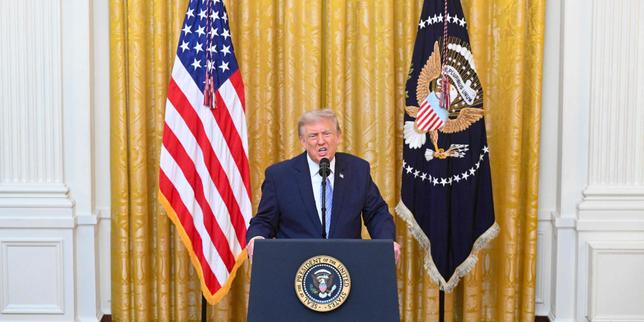
By hitting bridges, airports, and power grids, the US military is following through on threats made earlier in the week by President Donald Trump. The goal is simple to understand but incredibly risky in practice: choke off Iran’s ability to project power into the shipping lanes without committing ground troops.
The Brinkmanship Trap
What makes this round of escalation so terrifying is the internal logic driving both capitals. Analysts like Sina Azodi from George Washington University point out that both nations are locked in a high-stakes game of chicken. Each believes that a display of absolute severity will force the other side to capitulate first.
White House Press Secretary Karoline Leavitt stated that the administration remains open to diplomacy, but only if Iran stops firing on ships in the Strait. "The president is not going to allow them to fire on ships in the strait without paying a consequence," she noted.
Meanwhile, Tehran is dug in. Iran's Ministry of Foreign Affairs outright rejected the idea of returning to the negotiating table under the weight of active American bombardment. Iranian army spokesman Mohammad Akraminia warned that if the US strikes don't stop, the conflict will quickly spread to entirely new areas. We are already seeing the spillover effect, with Kuwait reporting that 32 Iranian drones recently targeted its vital facilities. Neighbors like Jordan and Oman are actively beefing up their air defenses as commercial shipping insurance rates through the Gulf skyrocket.
What This Means for Global Energy Security
You can't talk about military operations near Bandar Abbas without talking about oil. The Strait of Hormuz handles roughly a fifth of the world’s petroleum liquids. Every explosion near these waters sends ripples through global energy markets.
If Iran follows through on its threats to completely close down transit or continues launching drone swarms at neighboring Gulf infrastructure, the current economic fallout will look mild. The US strategy relies on the assumption that heavy military pressure can run parallel to diplomatic signaling. But history shows that when bombs start hitting mainland communications networks and bridges, the room for diplomatic nuance vanishes entirely.
Keep a close eye on the shipping schedules and international cargo movement over the next 48 hours. If maritime traffic in the Gulf grinds to a halt, expect immediate consumer price hikes globally, forcing western allies to decide whether they will join the naval blockade or push Washington to find an immediate diplomatic off-ramp.