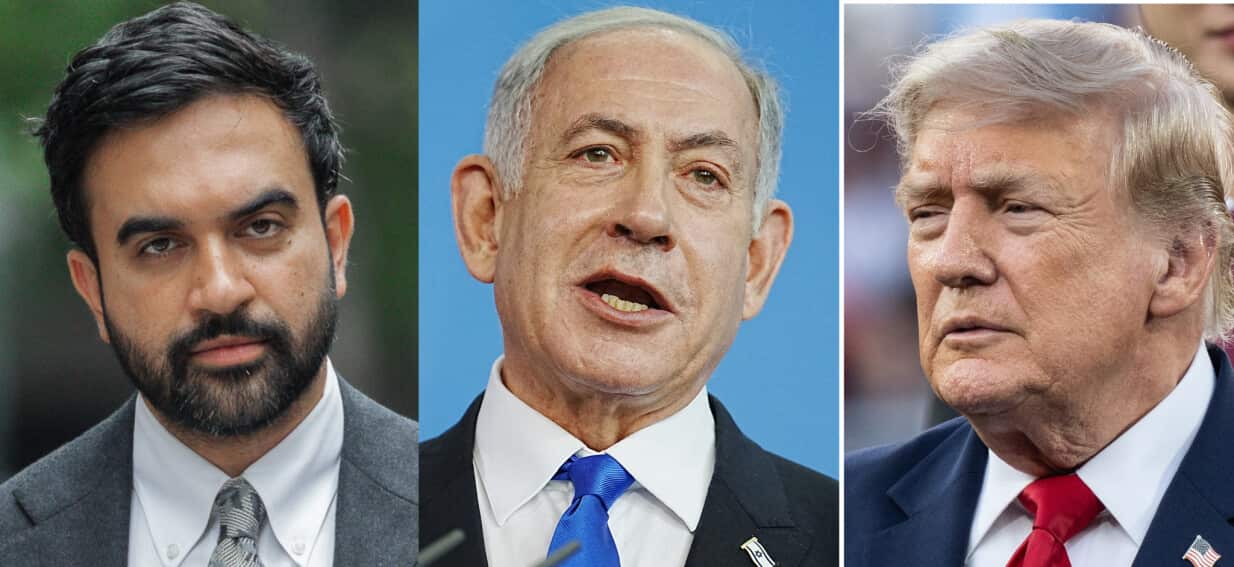
Zohran Mamdani wants Benjamin Netanyahu in cuffs. New York City’s mayor went on record saying his legal team is actively searching for ways the NYPD could enforce an International Criminal Court warrant against the Israeli Prime Minister during September's United Nations General Assembly. Donald Trump fired back almost instantly on Truth Social, declaring Netanyahu will not be arrested in any way, shape, or form while on American soil.
It makes for dramatic headlines. It feeds cable news debates for days. But if you cut through the political grandstanding, the legal reality tells a completely different story.
NYC cannot arrest Netanyahu. The mayor knows it, the White House knows it, and every international lawyer on Earth knows it.
The Flawed Premise Behind the Arrest Threat
Mamdani’s claim hinges on the International Criminal Court’s late 2024 decision to issue arrest warrants for Netanyahu over alleged war crimes in Gaza. When asked on a New York Times podcast whether city police would act on that warrant if Netanyahu attends the UN gathering, Mamdani insisted he believes the Israeli leader belongs in The Hague. He argued that as mayor, he must uphold local laws while exploring whether city statutes allow local law enforcement to execute international warrants.
That sounds principled on paper. In practice, it ignores the basic hierarchy of American law.
Municipal police departments derive their authority strictly from state and federal statutory frameworks. The NYPD does not operate as an independent global enforcement squad. City officers cannot simply enforce orders issued by foreign judicial bodies without explicit federal authorization.
The United States isn't a party to the Rome Statute. Congress never ratified the treaty that created the ICC back in 2002. Under American federal law, local jurisdictions are actually prohibited from assisting ICC investigations or executing ICC detainment requests. Even if Mamdani ordered his police commissioner to make a move, federal preemption crushes city jurisdiction every single time.
Diplomatic Immunity and the UN Headquarters Agreement
The legal wall around Netanyahu goes way beyond the USA's rejection of the ICC.
The United Nations headquarters in Manhattan isn't just another building on First Avenue. It sits on international territory governed by the 1947 UN Headquarters Agreement between the United States government and the international body.
Under that agreement, the US host country guarantees free passage and full diplomatic protection to official delegations attending UN functions. Foreign heads of state traveling to the UN General Assembly enjoy absolute sovereign immunity from local arrest while traveling to and from the UN precinct.
Yale Law Professor Harold Koh noted that while the transit between JFK Airport and Midtown creates theoretical legal disputes, head-of-state immunity under federal diplomatic protocol supersedes municipal authority. Federal law enforcement agencies, including the State Department's Diplomatic Security Service and the Secret Service, take primary charge of foreign leader security in New York. They wouldn’t stand by and watch city police interfere with a foreign leader traveling under federal diplomatic escort.
Trump and Washington Fire Back
Trump’s reaction was swift and blunt. Writing on Truth Social, he framed Netanyahu as a critical ally fighting regional threats, stating plainly that no arrest would happen on American soil.
The administration’s stance against the ICC isn't new. Washington has consistently viewed the court as an overreaching body that threatens national sovereignty. Secretary of State Marco Rubio recently announced measures aimed at dismantling the ICC’s influence, calling its actions against ally leadership an overreach against nations that never joined the court.
When regional conflict flared up earlier in the year, federal officials made their position clear: international warrants issued against non-member allies hold zero legal authority inside the United States.
Netanyahu’s office dismissed Mamdani’s statements as pure political theater, advising the mayor to focus on city governance rather than foreign policy maneuvers. Netanyahu himself brushed off the threat during a local radio appearance, casting doubt on whether local municipal leaders have any real understanding of international treaties.
Political Posturing Versus Actionable Law
Why would a city mayor make a public issue out of something legally impossible?
It's about political positioning. Mamdani built his political brand on sharp criticism of Israeli military actions, framing his platform around global human rights accountability. By raising the prospect of an NYPD arrest, he signals strong alignment with his progressive base.
Trump uses the clash just as effectively. Defending Netanyahu lets the White House reassert federal authority over local sanctuary or progressive municipal initiatives. It creates a stark line between federal foreign policy power and city-level posturing.
Neither side is actually fighting over city police procedure. They are fighting over symbolic leadership.
What Actually Happens When Netanyahu Lands in September
When September rolls around and world leaders gather in Manhattan, here is the exact sequence of events you will actually see:
- Federal security agencies step in. The US Secret Service and Diplomatic Security Service assume immediate control of Netanyahu's transit and security detail from the moment his aircraft lands.
- The NYPD’s role remains purely supportive. Local officers manage street closures, crowd control, and perimeter security under federal direction.
- Sovereign immunity applies uninterrupted. Netanyahu speaks at the UN rostrum, conducts diplomatic meetings, and exits the country without municipal interference.
If you are tracking this story hoping for a dramatic standoff between NYPD officers and federal agents on the tarmac, save your time. Federal preemption, treaty obligations, and foreign leader immunity dictate the outcome entirely.
To stay informed on how international warrants interact with US law, monitor federal court dockets regarding diplomatic immunity challenges and track State Department updates on UN General Assembly protocol.