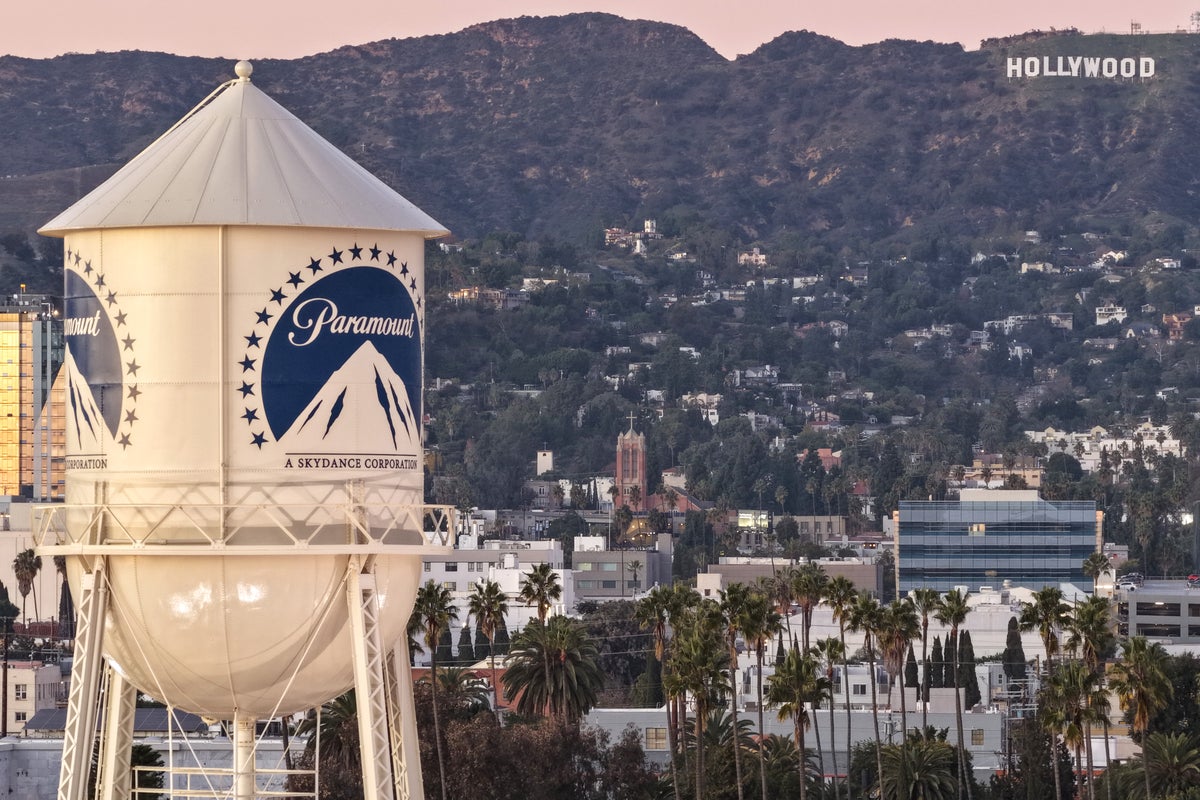
California regulators are playing a incredibly dangerous game of chicken with the entertainment industry, and the state is about to lose. The latest flashpoint centers on the massive $110 billion merger between the parent company of CBS and Warner Bros. Discovery. A dozen states, led aggressively by California Attorney General Rob Bonta, just filed a major antitrust lawsuit to freeze the deal dead in its tracks.
The corporate blowback was instant. Insiders close to David Ellison, the tech-scion CEO running the CBS parent firm, are actively urging him to pack up the corporate headquarters and orchestrate a total Hollywood studio exit.
We aren't just talking about moving a few executive desks to Austin or Miami. This involves pulling a staggering $30 billion in planned local spending right out of the state economy. If Ellison pulls the trigger, it will permanently alter the economics of Southern California entertainment. The local industry is already bleeding jobs to overseas tax havens and rival states. Bonta’s lawsuit might just be the final nudge that forces the industry’s biggest players to leave the West Coast behind.
The Reality Behind the Sudden Hollywood Studio Exit Threats
This isn't just empty corporate posturing. The frustration inside Ellison’s circle has been building for months. Executives feel the California attorney general completely refused to engage with them in good faith, creating a deeply inhospitable environment for massive media investments.
The studio even offered a legally binding consent decree to protect the state. They promised to produce 30 theatrical films every year, keep historic studio lots operational in California, and guarantee theatrical windows before moving films to streaming. But Sacramento turned a deaf ear.
When a state actively treats its signature industry like an adversary, companies leave. Look at what happened with Chevron, Tesla, and Oracle. They all gave up on California after years of regulatory hostility. Ellison’s firm already holds a massive 300,000-square-foot facility lease in Bayonne, New Jersey. The infrastructure to shift operations away from Hollywood is already sitting there, waiting to be used.
Why the Washington Green Light Matters
What makes California’s legal crusade so bizarre is that federal regulators already looked at this deal and cleared it. President Donald Trump’s Department of Justice gave the merger its full blessing last month after a detailed review. Federal antitrust enforcers realized that combining these traditional media assets is the only way to build a entity capable of surviving against tech giants like Netflix, Apple, and Amazon.
The political lines are drawn explicitly clear:
- The Trump administration wants the deal done to challenge Big Tech.
- Career state-level Democrats view the merger as a threatening consolidation of media power.
- David Ellison and his billionaire father, Oracle founder Larry Ellison, maintain deep, public ties to the current White House.
By filing this lawsuit, Bonta is trying to run an end-around past federal regulators. He hired an expensive team of former federal lawyers specifically to wage this antitrust war. But using state power to settle national political scores carries a brutal price tag for local workers.
The True Cost of Regulatory Overreach in Entertainment
If California succeeds in delaying or killing the merger, the financial penalties will be severe. Securities filings show that starting October 1, the CBS parent company must pay Warner shareholders a crushing $650 million ticking fee for every 90 days the deal is delayed. They also face a $7 billion breakup fee if the transaction falls apart completely.
With that much cash on the line, Ellison cannot afford to sit around and wait for California courts to play politics. Shifting production out of state becomes a basic financial necessity to offset these massive regulatory costs.
Thousands of crew members, set builders, and local production assistants are already struggling due to the recent industry slowdown. Denying a $30 billion infusion of production spending won't save Hollywood jobs. It will accelerate the flight of talent to states that actually welcome the business.
Your Next Steps to Prepare for the Media Shift
The corporate geography of entertainment is fracturing, and professionals within the space must adapt immediately. Do not count on Southern California remaining the default capital of media production.
- Diversify your geographic footprint: If you're a producer, creator, or vendor, start building active relationships with film commissions in production-friendly states like New Jersey, Georgia, and Texas.
- Track the infrastructure: Monitor the expansion of East Coast facilities, particularly around the tri-state area, as studio space there is set to absorb massive amounts of displaced West Coast spending.
- Audit your distribution strategies: Plan for a market dominated by consolidated streaming entities that prioritize theatrical releases, as traditional standalone cable operations continue to lose their leverage.