You walk into a crowded, dimly lit music venue on a Sunday night. The band is loud, the energy is high, and you're not thinking about the ceiling. You're definitely not looking for the fire exits. Why would you? You trust that the venue is safe.
But that trust was shattered in northern Bangkok. A catastrophic blaze tore through the Rong Beer Na Lat Phrao pub (also known as the Na Ladprao music bar), killing at least 27 people and injuring 63 others. It's Thailand's deadliest entertainment venue fire in nearly two decades. And honestly, the details emerging from the scene show that it was entirely preventable.
The fire erupted just before midnight near the bustling Chatuchak district. What started as a typical weekend night ended with body bags lined up on the street and 22 people fighting for their lives in critical condition. As investigators comb through the charred wreckage, the disaster highlights a dark reality about nightlife safety rules vs. actual real-world practice.
The Illusion of Compliance vs. Real-World Danger
Bangkok Governor Chadchart Sittipunt pointed out a critical gap that every nightlife patron should understand: a venue can pass an inspection on paper but become a death trap during real hours of operation.
The bar possessed the necessary licenses to operate. However, official compliance doesn't account for what happens when a venue gets packed. Investigators revealed that the interior was a maze of temporary obstructions.
- Blocked Passageways: Firefighters encountered tables, chairs, and beer crates choking the evacuation paths.
- The Candy Table Trap: National Police Chief Kittharath Punpetch noted that a table set up specifically to sell candy inside the hall likely obstructed people trying to find their way out.
- Restricted Kitchen Exits: Access to an exit near the kitchen was narrowed down by heavy shelving units and employee lockers.
When the fire broke out, these small operational decisions turned fatal.
Anatomy of a Flashover: How the Trap Snapped Shut
According to musicians performing on stage, the nightmare started with a sputtering electrical circuit breaker. Smoke began pouring from the box, the venue's power abruptly cut out, and a loud explosion echoed through the room.
Everything went pitch black. Thick, toxic smoke filled the air within seconds.
[Electrical Circuit Fault] ➔ [Explosion & Power Failure] ➔ [Rapid Ceiling Spread via Flammable Deco] ➔ [Total Smoke Engulfment]
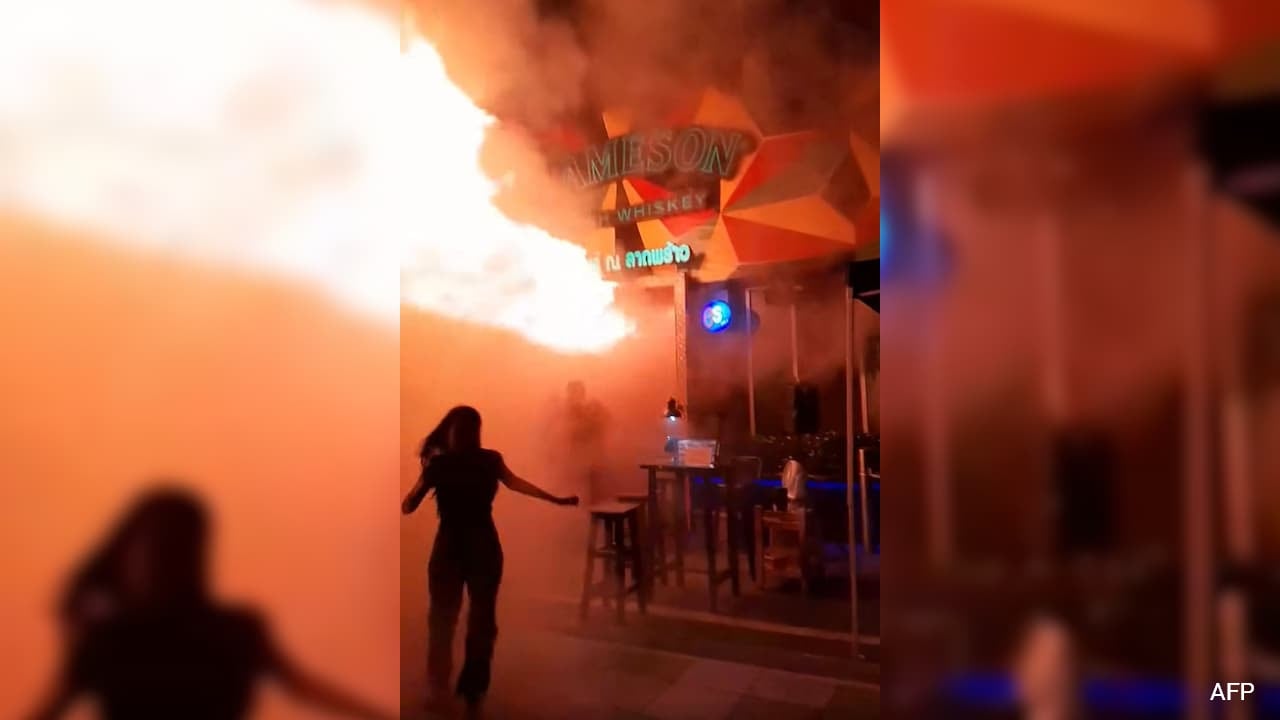
Witness videos show a horrific horizontal plume of fire blasting out of the main entrance. Because the fire started near the front stage, the primary exit was instantly blocked by a wall of flames. Panic took over.
With the main doors unreachable and the venue plunged into darkness, desperate patrons fled toward what they thought was safety—the back of the building.
The Restroom Death Trap
National Police Chief Kittharath confirmed a heartbreaking detail: most of the 27 victims—consisting of 18 women and 9 men aged between 20 and 35—were found clustered in windowless bathrooms near a rear exit. They had run there to escape the intense heat and blinding smoke.
They never made it out. They died of smoke inhalation because they couldn't locate the rear exit door in the pitch black, or because the exit itself was useless. Prime Minister Anutin Charnvirakul, who personally inspected the gutted structure, asked first responders if a key rear exit door could even be opened. The devastating answer? It was locked shut with two heavy bolts.
Why Entertainment Venues Burn So Fast
The rapid spread of the Bangkok fire isn't an isolated anomaly. It mimics historical venue disasters like the 2009 Santika Club fire in Bangkok (which killed 67 people) and the infamous Station nightclub fire in the US.
Fire safety experts point to the heavy use of cheap, sound-absorbing foam and plastic decorative elements. Preliminary examinations of the Rong Beer Na Lat Phrao ruins showed that plastic fake plants and flammable acoustic materials lined the ceiling right above the stage.
When the circuit breaker sparked, these materials ignited like gasoline. Instead of burning slowly, the ceiling turned into a moving grid of liquid fire, dripping down on the patrons below and suffocating them before they could even locate a door.
How to Protect Yourself Next Time You Go Out
You can't control a bar's electrical wiring, but you can change how you interact with your environment. If you're going to clubs, concerts, or packed bars, don't leave your safety up to the owners. Take these immediate, practical steps the moment you walk through the door:
1. Locate the Secondary Exit Immediately
Never assume the front door is your only way out. Look past the bar and the stage. Is there a door near the kitchen? Is there a marked exit in the back? If you can't find a second exit within 30 seconds of walking in, consider drinking somewhere else.
2. Check for Obstructions
Take a quick look at the pathways leading to those exits. Are they stacked with beer crates? Are tables crammed right next to the emergency door? If the exit path looks tight when the room is empty, it will be completely impassable during a panicked stampede.
3. Have a "Drop Everything" Rule
If you see smoke coming from the stage, see sparks, or hear an unscripted electrical pop, do not wait for an official announcement. Do not look for your friends' missing jackets or try to close out your bar tab. Leave immediately. In a flashover scenario, a delay of 15 seconds is the difference between walking out and getting trapped.
The Bangkok probe will undoubtedly lead to a temporary crackdown on local bars, safety checks, and public promises of reform. But regulations only work when venue operators prioritize lives over maximum capacity and convenient storage. Until then, your situational awareness is your best defense.