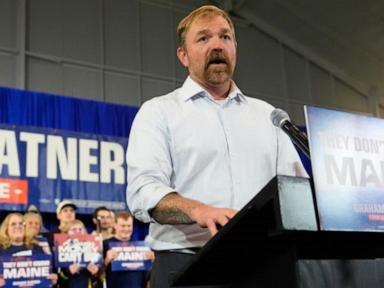
The absolute meltdown of Graham Platner’s insurgent Senate run wasn’t a surprise to anyone paying attention. For months, the oyster farmer and Marine veteran had been walking through a minefield of his own making. The Reddit posts, the dubious tattoo explanation, the explicit texts—it was all out there. Yet, the state party machine let him cruise to a primary victory anyway. Now that he has officially submitted his withdrawal papers to the Maine secretary of state’s office, the party is staring at a July 27 deadline to find a replacement to take on Republican Senator Susan Collins.
If you think this is just a quick scramble to slot in a new name on the ballot, you are completely misreading the situation. Maine Democrats are not just replacing a name. They are trying to patch a gaping hole in an electoral strategy that just completely imploded.
The race to succeed him is exposing a massive ideological rift that could cost Democrats control of the Senate.
Why the Platner Implosion Was Entirely Preventable
Platner’s campaign was built on raw anger. He was an economic populist who spent his time bashing billionaires and calling out the political establishment. It worked. He won over 72% of the primary vote in June, driving Governor Janet Mills out of active campaigning before the vote even happened.
The problems started early. It started with old online comments. Then came the revelation about a chest tattoo that looked identical to a Nazi Totenkopf symbol. Platner claimed he got it while drunk on leave and had no idea what it meant. Voters who wanted an anti-establishment fighter were willing to give him a pass. They bought into his narrative of post-traumatic stress disorder and personal redemption.
The final blow came when Politico published detailed accusations from a former girlfriend alleging a 2021 sexual assault. Platner denied it, calling the accusations untrue and politically motivated, but the damage was instant. Senate Leader Chuck Schumer and the Democratic Senatorial Campaign Committee made it clear that the money faucet was turning off.
The national party basically told Maine Democrats to fix their mess. Platner posted an angry 11-minute video on social media complaining about corporate media acting as judge and jury before finally dropping out.
The real question is how he got this far. The vetting process failed catastrophically. The state party took a massive gamble on an unvetted outsider because he had the kind of anti-establishment energy they lacked. They ignored glaring red flags, and now they have less than three weeks to fix the damage.
The Contenders Stepping Into the Chaos
Maine law allows the state committee to pick a replacement, provided the paperwork is finalized by July 27. More than 100 state committee members already voted to hold a special nominating convention. A crowd of hopefuls is already fighting for the spot.
Troy Jackson the Progressive Legacy Candidate
Former State Senate President Troy Jackson wasted absolutely no time. He filed exploratory paperwork with the Federal Election Commission almost immediately. Jackson is a fifth-generation logger from Allagash, a tiny town in northern Maine. He represents the exact kind of working-class populist brand that Platner used to capture rural voters.
Jackson has deep ties to the progressive wing. Senator Bernie Sanders backed his previous gubernatorial run, and Representative Ro Khanna has already publicly endorsed him for this vacancy.
There are complications. Early in his career, Jackson held socially conservative views on abortion and marriage equality. He has since aligned with mainstream Democratic positions, blaming his early record on the conservative nature of his rural constituents. Progressives love his labor background, but establishment moderates worry those old votes will become ammunition for Susan Collins.
Nirav Shah the Centrist Alternative
Former Maine CDC Director Nirav Shah announced his candidacy with a clear message. He wants to unite the party, but he is doing it from a much more moderate lane. Shah became a household name in Maine during the pandemic, praised for his calm demeanor and handling of the vaccine rollout. He went on to serve as a top official in the federal CDC under the Biden administration.
Shah is trying to walk a fine line. He explicitly stated he would not accept an endorsement from Platner, yet he told Platner's supporters they have an important place in his campaign.
Shah offers stability. He has high name recognition and no massive personal scandals lurking in his closet. The risk is that he lacks the populist fire that energized the primary base. If the party picks Shah, they risk alienating the thousands of progressive volunteers who built Platner’s ground game.
Dan Kleban the Business Outsider
Dan Kleban, the co-founder of Maine Beer Company, is running as the political outsider who actually knows how to run a business. Kleban briefly entered the Senate race last year before stepping aside to endorse Janet Mills.
His platform centers on economic affordability and local business growth. Like Platner, he has never held elected office. He offers a clean slate, but running a popular craft brewery is a far cry from surviving a brutal statewide Senate campaign against an incumbent who has been in office for decades.
Shenna Bellows and the Legacy of 2014
Secretary of State Shenna Bellows threw her hat into the ring, claiming she is uniquely qualified to unite the party. Bellows has spent her career dealing with high-profile voting rights battles, but she carries significant political baggage.
She ran against Susan Collins back in 2014 and lost by more than 30 points. Many party insiders believe nominating someone who already suffered a blowout loss against the exact same opponent is a recipe for disaster.
What the Pundits Miss About the Maine Electorate
Most national analysts think Maine Democrats just need to find someone clean and moderate to win. They assume a safe candidate can cruise to victory by capturing independent voters who are tired of Susan Collins.
That view is completely wrong. It ignores the reality of how Platner won the primary in the first place.
Platner did not win because he was safe. He won because he promised to dismantle the corporate political structure. He drew immense support from younger voters, working-class Mainers, and rural communities that feel completely abandoned by the national Democratic Party.
Look at the numbers. Platner pulled in more primary votes than any Democratic Senate candidate in Maine history. He tapped into an unprecedented amount of energy. If the state committee selects a safe, establishment-friendly centrist through a closed-door convention process, that energy will evaporate overnight.
A generic Democrat cannot beat Susan Collins in Maine. Collins has built a reputation as a political survivor by winning over independent and moderate voters who split their tickets. To defeat her, Democrats need massive turnout from their own base alongside a surge of anti-establishment independents. If the replacement nominee feels like an establishment stitch-up, those vital voters will simply stay home in November.
The Strategic Path Forward for Maine Voters
The clock is ticking loudly. If you are a Maine voter or a party delegate, you cannot afford to make decisions based on panic. The state party is rushing to organize a nominating convention, and the choices made over the next few days will determine the future of the Senate.
Here is what needs to happen immediately to salvage this race.
- Demand a Transparent Convention: The state committee must reject any attempts to select a nominee behind closed doors. They need an open, transparent selection process with public debates so candidates can be thoroughly vetted in the open.
- Prioritize Rural Appeal: Democrats cannot win Maine by only turning out voters in Portland and Bangor. The next nominee must have a proven ability to speak to rural, working-class communities in the Second Congressional District.
- Vet the Candidates Fully: The party cannot afford another vetting disaster. Every candidate stepping forward must be subjected to intense scrutiny right now, not after they get the nomination.
- Bridge the Progressive-Moderate Divide: The ideal nominee must find a way to keep Platner's progressive volunteers engaged without terrifying the moderate donors needed to fund a multimillion-dollar campaign.
The state party has until July 27 at 5 p.m. to submit a qualified person to the elections office. The choice will either unify a broken party or hand a free victory to the Republican incumbent. Expect a brutal, chaotic two weeks of political horse-trading.