The Strait of Hormuz is officially a powder keg. If you woke up checking the news morning updates, you probably saw the headlines about the US military pounding 140 targets inside Iran. You also saw the chaotic fallout. Tehran immediately shot back, launching missiles and drones not just at US assets, but directly at Gulf Arab neighbors like Qatar, Kuwait, and Oman.
It looks like the start of an uncontrollable regional war. But if you dig past the loud headlines, the reality on the ground is far more complicated, messy, and driven by broken political deals.
The immediate catalyst was an attack on a Cyprus-flagged container ship moving through the strait. The vessel was hit, set ablaze, and left with a missing crew member. Washington blamed Iran, and the response was massive. US Central Command launched a heavy wave of airstrikes targeting drone sites, ammunition dumps, and command centers. President Donald Trump didn't mince words on NBC’s Meet the Press, saying the military "bombed the hell out of them last night."
But looking only at the bombs misses the real story. This isn't just a sudden military flare-up. It's the violent collapse of a fragile 60-day interim ceasefire deal that was supposed to bring long-term stability. Instead, we're seeing what happens when diplomatic negotiations break down completely and hardliners take the wheel.
The Night 140 Targets Went Up in Smoke
The sheer scale of the American retaliation caught many by surprise. A wave of precision strikes hit military installations across southern Iran, particularly in provinces hugging the coastline, as well as sites near Tehran. The objective wasn't just symbolic. The Pentagon wanted to systematically dismantle the Islamic Republic's ability to threaten international shipping lanes.
According to military briefings, the strikes wiped out major drone launch pads and cruise missile batteries that have been terrorizing commercial vessels. Iranian state media confirmed the attacks, noting that at least one naval officer was killed.
But what happened next changed the calculus entirely. Iran didn't just target the American warships floating in the Persian Gulf. They went after the surrounding countries hosting them.
Why Gulf States Are Catching the Shrapnel
Tehran shifted its crosshairs to regional neighbors in a desperate bid to force US allies to back away. The retaliatory strikes triggered missile defense sirens all across the Middle East, shaking capitals that have tried desperately to stay neutral.
- Qatar and the UAE: Qatari forces intercepted incoming fire over their territory. Shrapnel from the intercept wounded three people, including a child. Meanwhile, explosions rattled the air near the United Arab Emirates border, forcing the government to trigger emergency sirens.
- Kuwait: The Kuwaiti military reported direct damage to three northern land border posts and an offshore oil drilling platform operated by the Kuwait Oil Company. One oil worker was injured on the rig.
- Oman: Drones hit targets right along the Omani side of the waterway. This prompted Muscat to summon the Iranian ambassador in protest. It's the first time Oman has taken such a drastic diplomatic step since this conflict began, openly labeling Iran's actions "irresponsible."
- Jordan and Bahrain: Three Iranian missiles made impact in Jordan, causing minor structural damage. Air defense systems in Bahrain, home to the US Navy's 5th Fleet, were also placed on maximum alert as projectiles flew overhead.
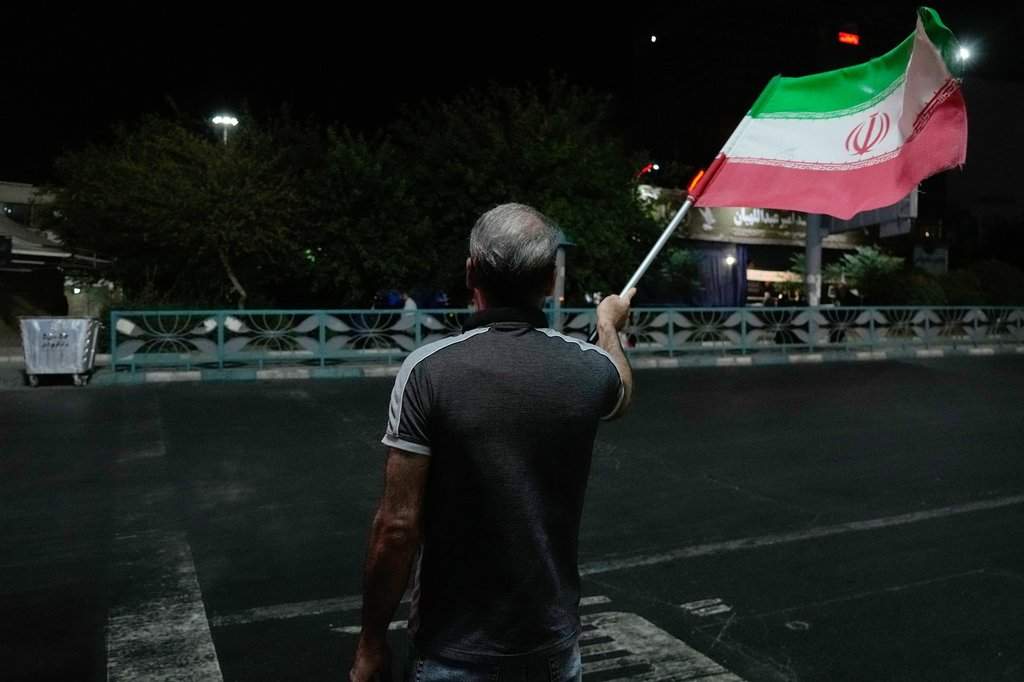
Iran is trying to enforce a crude narrative. Mohammad Bagher Qalibaf, the speaker of Iran's parliament and a central figure in their negotiating team, stated flatly that the era of one-sided deals is over. The message to the Gulf states is simple: if you host American forces, your infrastructure pays the price.
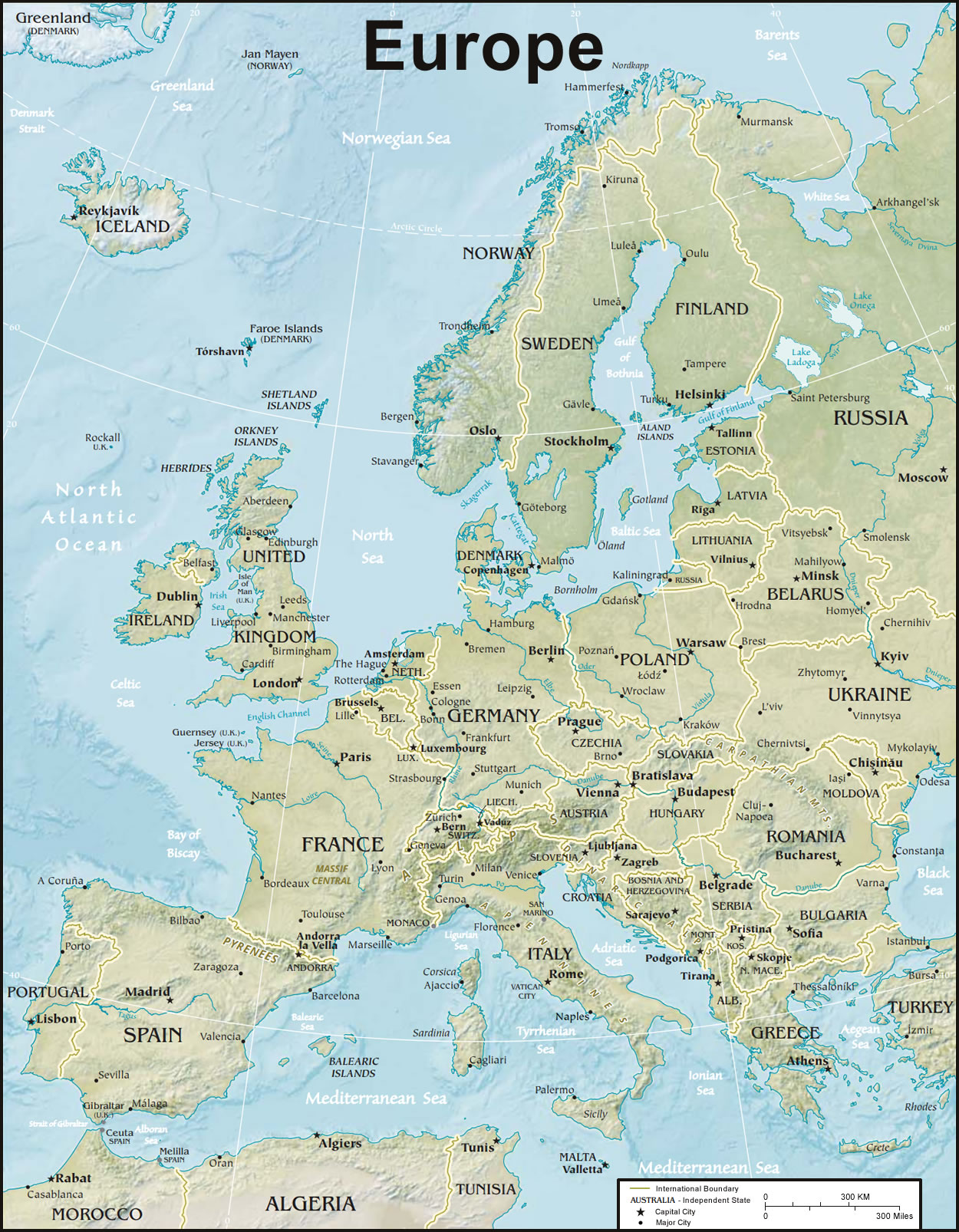
Tehran claims the Strait of Hormuz is completely closed until calm returns. They've even floated the idea of charging a transit fee to any vessel attempting to pass through. The White House flatly rejects this, insisting the international waterway remains open. The US military reported that over 140 ships managed to transit the area over the past week, though maritime watchdogs confirm that traffic has dropped significantly from the usual 140 daily vessels seen before the war broke out.
The Power Struggle Trapped Inside Tehran
Here is what the standard news reports are completely missing. Behind the scenes, the Iranian regime is currently locked in a brutal internal power struggle. This entire crisis might actually be the result of a massive screw-up by rogue elements within Iran's paramilitary forces.
Ever since the opening strikes of the war on February 28, which resulted in the death of Ayatollah Ali Khamenei, Iran has been rudderless. The new Supreme Leader has yet to make a single public appearance. Over the weekend, he released his first written statement since the funeral, promising that the nation would avenge his father's death.
But diplomats operating behind the scenes tell a different story. Rumors are swirling that the recent container ship attack wasn't ordered by the central government. Instead, hardline factions within the Revolutionary Guard allegedly launched the strike without authorization, intentionally trying to blow up the ceasefire talks.
Think about the timing. The US and Iran were right at the midpoint of a crucial 60-day window to turn an interim agreement into a permanent peace deal. International mediators from Pakistan, Qatar, and Egypt were actively exchanging drafts. By launching an unauthorized strike on a civilian ship, the hardliners got exactly what they wanted: they forced an American retaliation, ended the peace talks, and ensured the war keeps going.
Reports indicate that some Iranian diplomats have quietly reached out through backchannels to apologize, claiming the ship strike was a mistake. But for the White House, the distinction doesn't matter anymore. A threat to international commerce is a threat that requires a response, whether it came from a rogue general or the supreme leader himself.
What This Means for Global Oil and Your Wallet
When a fifth of the world's traded oil and natural gas moves through a single choke point, a military escalation like this sends shockwaves through global markets. We've already lived through the initial energy crisis triggered by this war, which saw crude oil prices spike to a painful $120 a barrel.
Strangely enough, energy prices didn't instantly skyrocket to new records after this weekend's strikes. Prices have actually trended downward from their wartime peaks, mostly because global markets had already priced in the instability. Shipping companies have spent months adapting, rerouting their largest tankers around the Cape of Good Hope or using alternative paths off the coast of Oman to avoid Iran's territorial waters entirely.
But don't assume the danger to the global economy has passed. If Iran continues targeting oil platforms in Kuwait or successfully shuts down civilian traffic through drone strikes, the cushion we currently have will evaporate. The shipping industry can handle reduced transit levels for a short period, but a prolonged, multi-nation blockade will eventually drive up insurance premiums for commercial vessels. When insurance rates spike, the cost of moving goods goes up, and you feel that directly at the gas pump and the grocery store.
Moving Forward Safely in a High Risk Environment
If you have corporate operations, supply chain exposure, or investments tied to Middle Eastern logistics and energy, you can't rely on standard political platitudes. You need to adjust to the reality of a fractured Gulf.
First, stop waiting for a diplomatic breakthrough to fix things overnight. The interim ceasefire is dead, and the political willpower to revive it is non-existent on both sides. Assume that the Strait of Hormuz will operate at reduced capacity for the foreseeable future.
Second, diversify your logistics routes immediately. If your business relies heavily on cargo passing through the Persian Gulf, look toward overland routes across Saudi Arabia or prioritize carriers that use the outer Omani ports rather than entering the tight bottlenecks of the strait.
Third, brace for cyber volatility. Historically, when Iran suffers a major conventional military setback, it counterattacks in the digital space. Expect an uptick in scanning activity and potential denial-of-service attempts targeting financial institutions, energy infrastructure, and maritime logistics networks throughout the West and the Gulf region. Tighten your security protocols now.
The situation is incredibly fluid, but one thing is certain: the old rules of engagement are gone. Watch the actions of the regional players like Oman and Qatar over the coming days. Their diplomatic shifts will tell you exactly how dangerous the next phase of this conflict will be.
For more visual analysis on how this conflict developed over the past year, you can check out this detailed breakdown of the Middle Eastern War History to understand the deeper roots behind these geopolitical tensions.