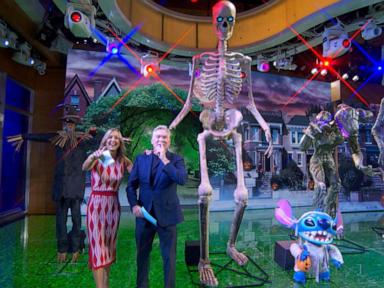
Walk into a big-box store in July and you might get a weird sense of temporal whiplash. Right next to the pool floats and sunscreen, giant plastic skeletons are staring back at you. Some call it "Code Orange." Others call it "Summerween".
This is not just some quirky internet trend. It is a massive, multi-billion-dollar retail strategy that has completely rewritten the traditional holiday playbook. Retailers are no longer waiting for October to pitch their spooky wares. They are rolling them out before the summer heat even peaks.
If you think selling skeletons in July is a bizarre stunt, you are missing the bigger picture. Here is what is actually going on behind the scenes, why stores are doing it, and how the craze got so big.
The Birth of Summerween and Code Orange
The term "Summerween" sounds like something cooked up by an ad agency, but its origins are actually quite wholesome. It started in 2012 in an episode of the animated Disney show Gravity Falls. In the show, the characters celebrated Halloween in June because they loved it so much.
Over the last few years, that cartoon joke became a real-life retail phenomenon. By 2024, the hashtag #Summerween was racking up tens of thousands of views on TikTok. People were posting videos of jack-o'-lanterns carved out of watermelons, drinking orange summer cocktails, and floating in pools next to skeletons.
Retailers noticed. They realized that a huge portion of their customer base did not want to wait until October to start celebrating.
Enter the "Code Orange" alerts.
This is the term Halloween enthusiasts use when they spot the first signs of spooky decor on store shelves. It used to happen in late August. Then it crept into early August. Now, it is a mid-summer expectation.
Home Depot actually kicks off its season even earlier with its online "Halfway to Halloween" event in April. By the time July rolls around, the full Summerween machine is in maximum gear.
Why Skeletons Make Financial Sense in July
Selling giant lawn ornaments in the middle of summer might seem desperate, but the numbers prove it is incredibly smart.
Home improvement chains like Home Depot and Lowe's have faced some tough headwinds recently. Post-pandemic, people stopped spending quite as much on massive home renovations. Elevated mortgage rates have cooled down the housing market. When people are not buying new homes, they are not buying new kitchens or decks.
That means these stores need other ways to bring people through the doors. Seasonal decor is the perfect solution. It has high margins and massive customer engagement.
According to Lance Allen, the senior merchant overseeing holiday decor at Home Depot, Halloween was once just a quick, two-week event. People decorated in mid-October and took things down immediately. The pandemic changed that mindset completely. Now, people want their displays up for six weeks or more.
By pushing the season back into July, retailers are essentially creating a six-month selling season for something that used to be a four-week sprint.
This extended timeline does several things for a retailer:
- It smooths out supply chain issues. Spreading out sales means less pressure on warehouses and shipping partners in September.
- It hedges against economic uncertainty. Retailers are constantly worrying about shifting tariff policies on imported goods. Front-loading inventory in the summer allows them to get products ashore and sold before any new price hikes kick in.
- It captures the super-fan budget first. The most passionate decorators will spend hundreds of dollars. Getting to them early ensures they spend that money at your store before your competitors even open their seasonal aisles.
Inside the Viral Cult of Skelly and Friends
You cannot talk about early Halloween without talking about Skelly.
The original 12-foot-tall giant skeleton debuted at Home Depot in the summer of 2020. It was the height of the pandemic lockdowns. People were stuck at home, bored, and desperate for some joy. Skelly became an overnight viral sensation.
People did not just buy Skelly to put in their yards for two weeks. They kept him up year-round. They dressed him in Santa hats for Christmas, shamrock necklaces for St. Patrick's Day, and giant Uncle Sam top hats for the Fourth of July.
Home Depot realized they had caught lightning in a bottle. They intentionally kept quantities limited. That manufactured scarcity created a frantic rush every time a new batch went on sale.
This year, the Skelly lineup has reached absurd new heights of technology and price. The classic 12-footer still exists, but now there is an upgraded, app-controlled version for $379. This new Skelly features custom sounds, motorized head and mouth movements, and Bluetooth connectivity so you can speak through him in real-time using your phone.
He is not alone anymore, either. The lineup now features a massive supporting cast, including:
- The 11-foot Mummy ($299): Featuring poseable shoulders, built-in sounds, and glowing LED eyes.
- The 8-foot Perilous Plant Monster ($299): A multi-headed, motion-activated beast.
- The LED Rotwing Parrot ($179): A five-foot-tall talking skeleton bird that answers yes or no questions.
- Dry Rot Dennis ($299): A nine-foot-tall creature with color-changing glowing eyes.
The community surrounding these giant props does the marketing for the stores. Home Depot barely has to spend a dime on traditional advertising for these items. The fans do it all on TikTok and Instagram, sharing their elaborate setups and driving demand even higher.
The Gen Z and Millennial Spooky Obsession
Who is actually buying a 12-foot skeleton in the middle of a July heatwave?
It is not who you might think. Data shows that 25- to 34-year-olds are driving this early-season surge.
This demographic is incredibly enthusiastic about Halloween. Roughly 86% of them plan to celebrate, and they spend an average of more than $124 per person on the holiday. That is significantly more than older generations.
Many of these shoppers are millennials who are now in their prime earning years and raising young kids. They want to build memorable, over-the-top experiences for their families.
For Gen Z, the obsession is heavily driven by social media culture. Platforms like TikTok are the primary source of holiday inspiration. The fast-moving nature of these online trends means that if you wait until October to buy your decor, you are already way behind the curve. You miss the window to participate in the online conversation.
How to Play the Early Halloween Shopping Game
If you want to get in on the Summerween action without blowing your budget or getting left empty-handed, you need a strategy. The days of casually strolling into a store in October and picking up premium decor are over.
Buy early or prepare to pay double
The most popular animatronics and giant props sell out fast. Sometimes within minutes of going online. If you see something you love during the July and August drops, buy it immediately. If you wait, you will likely end up facing massive markups from scalpers on the secondary market.
Think about storage before you buy
A 12-foot skeleton does not just disappear when November 1st arrives. It takes up a massive amount of space. Before you drop $300 or more on a giant prop, make sure you actually have a garage, a basement, or a heavy-duty storage tote to keep it protected during the off-season.
Look for versatile pieces
If you are going to display items during Summerween, look for decor that transitions easily from summer to fall. Skeletons are great because you can dress them in Hawaiian shirts and sunglasses in July, then swap them out for witch hats and capes when autumn actually arrives.
The trend of early holiday shopping is not slowing down. If anything, the line between summer and fall retail will only continue to blur. Grab your sunscreen, put on your favorite spooky playlist, and get ready to see a lot more skeletons at the beach.