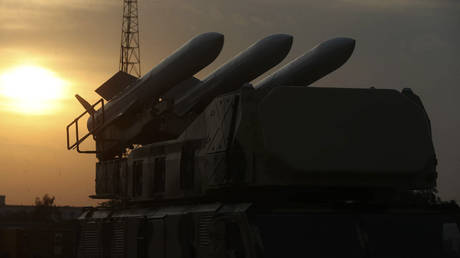
You wake up at 3:00 AM to a sound that vibrates through your teeth. It isn't just the sirens; it's the deep, violent thud of air defense interception. That was the reality for millions in the Ukrainian capital as Russia executed one of the war's largest missile assaults on Kyiv.
The sheer scale of the attack caught global attention, but if you've been tracking this war closely, you know this wasn't random. This massive barrage tells us exactly where the conflict is heading in 2026. The Ukrainian Air Force confirmed that Russia launched 41 missiles and 125 attack drones across the country during the five-hour raid. Most of those weapons targeted the capital.
When Russia bombards Kyiv with this level of intensity, it is trying to achieve something very specific. Understanding the strategy behind the smoke helps explain why these strikes keep happening.
The Strategy Behind the Metal Rain
The primary goal of a coordinated strike combining slow Shahed drones with fast ballistic missiles isn't just destruction. It's math. Russia uses cheap drones to force Ukrainian teams to fire expensive Patriot or NASAMS interceptors. Once the air defense radar sites are busy tracking and shooting down drones, Russia fires ballistic missiles to slip through the gaps.
This specific attack killed at least one person and injured 16 others, sparking massive fires across multiple districts. Warehouses, residential blocks, and industrial facilities took direct hits or suffered severe damage from falling debris.
Kyiv Overnight Assault Data
- Attack duration: 5 hours
- Drones launched nationwide: 125
- Missiles fired nationwide: 41
- Primary target area: Kyiv Capital Region
- Local casualties: 1 dead, 16 injured
The physical destruction is undeniable. Look deeper, though, and you see a clear intent to drain Ukraine's air defense stockpiles before winter arrives.
The Burning Question of Air Defense Interceptors
Everyone wants to know how long Kyiv can hold out against these relentless barrages. The hard truth is that Ukraine is running dangerously low on Patriot interceptor missiles. Each Patriot system is incredibly effective against ballistic threats, but the ammunition is rare and takes months to manufacture.
During this assault, the air defense systems worked overtime. While they saved hundreds of lives by swatting down the majority of incoming threats, the cost was high. President Donald Trump has mentioned potentially granting licenses for Ukraine to produce Patriot components locally, but that timeline spans years. Right now, Kyiv relies completely on Western transfers that are arriving too slowly.
If you look at how the lines are shifting, Russia is exploiting this exact supply bottleneck. They know that every missile fired to protect a residential building in Kyiv is one less missile available to protect front-line soldiers or power grids.
What This Means for the Next Phase of the War
This massive assault isn't an isolated event; it's a window into the future of the war. Russia is ramping up its domestic drone and missile production, finding ways to bypass Western sanctions through third-party components. They aren't running out of weapons anytime soon.
Ukraine has to make brutal choices every single day. Do they protect the capital's population, or do they shield the remaining thermal power plants? When a major assault like this happens, it forces a redeployment of mobile air defense units, leaving other regions vulnerable. Neighboring countries like Poland even scrambled fighter jets during the chaos, showing just how close this war sits to the edge of NATO territory.
To protect the skies, Ukraine needs immediate, unbureaucratic transfers of air defense ammunition. Focus must shift from long-term production promises to immediate supply deliveries. Without a steady stream of interceptors, even the most advanced defense networks will eventually get overwhelmed by raw volume.
Keep a close eye on the upcoming international defense summits. The decisions made there regarding immediate air defense shipments will directly dictate whether Kyiv survives the next major bombardment intact.