Volodymyr Zelenskyy just made a massive political gamble. By firing his popular defense minister, Mykhailo Fedorov, after only six months in office, the Ukrainian president has ignited a firestorm he might not be able to control. This is not just another standard wartime cabinet shuffle. It is a full-blown political crisis that brings a bitter internal feud right into the public square. For the first time in years, thousands of everyday citizens are taking to the streets of Kyiv, Lviv, and Odesa not to protest Russian aggression, but to voice fury at their own government.
People are angry. They have a right to be.
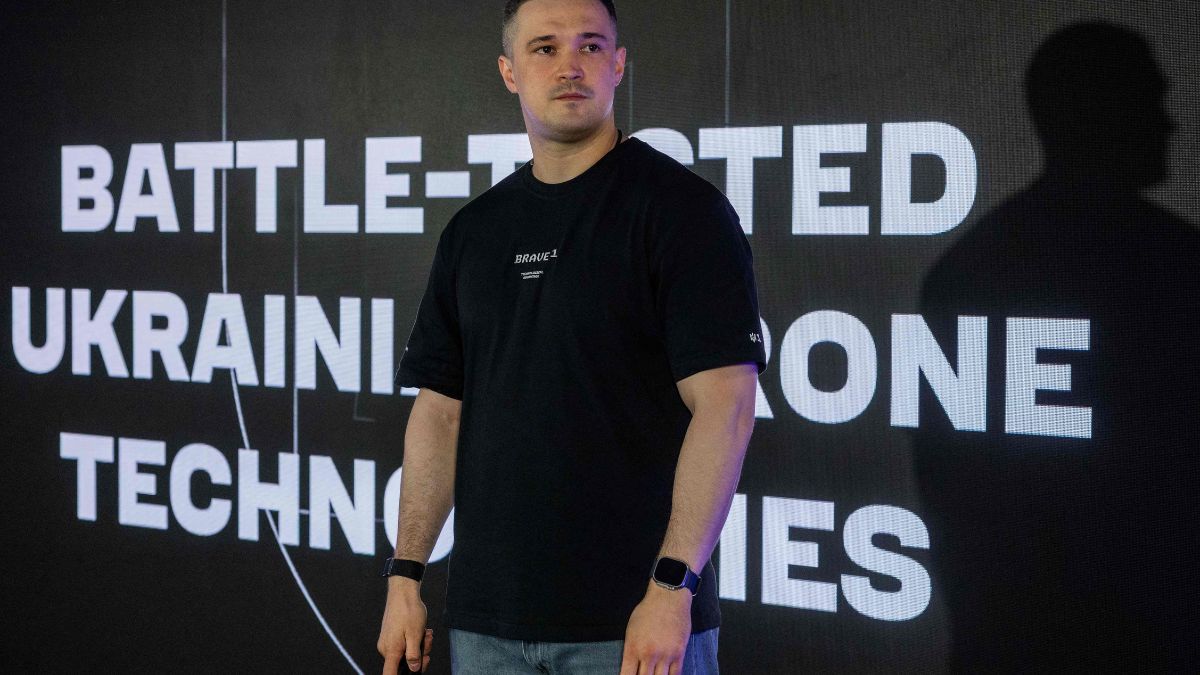
Fedorov was the young, tech-savvy face of Ukraine’s modernized war effort. At just 35 years old, he ran the Defense Ministry like a tech startup rather than a dusty Soviet bureaucracy. He cleaned up corrupt procurement lines, shut down Russian access to Starlink, and accelerated drone production to a level that kept Ukraine in the fight despite massive artillery shortages. Yet, he is out. Zelenskyy’s move leaves international partners scratching their heads and a nation wondering if its leadership is prioritizing personal political rivalries over winning the war.
The decision hits at a terrible moment. It comes right as foreign dignitaries are arriving in Kyiv and while the military is trying to hold a brutal frontline stalemate. If you want to understand why this decision has rocked Ukraine to its core, you have to look beyond the official press releases.
The Toxic Rift Between Innovation and Tradition
The official line from the president’s office mentions a need for government renewal. That is political code. The real reason Fedorov got pushed out is a deep, systemic clash over how this war should be fought. Fedorov represented the future, while the old guard generals represent a rigid, traditional past.
The tension between Fedorov and Commander-in-Chief Oleksandr Syrskyi was the worst-kept secret in Kyiv. Fedorov did not mince words after his dismissal. He openly accused Syrskyi of blocking ministry initiatives, running a command structure that caused high troop losses, and failing to address problems directly. "Instead of working out how to defeat Russia, he has figured out how to split the country," Fedorov told reporters.
Syrskyi is 60 years old. He is a product of traditional military thinking. While he helped save Kyiv in the opening weeks of the 2022 invasion, many ordinary soldiers criticize his top-down, unyielding command style. Fedorov wanted to give lower-level drone commanders more autonomy. He pushed for decentralized decision-making. The high command hated it.
There is also the matter of political ambition. Fedorov’s popularity was skyrocketing. In wartime Kyiv, a young, effective leader who delivers clear results is a natural threat to the political establishment. Rumors suggest that Zelenskyy’s inner circle grew nervous about Fedorov's growing influence among the public and the military. When a defense minister becomes more popular than the president, his days are usually numbered.
What Ukraine Loses With Fedorov Gone
To understand why people are protesting, look at what Fedorov actually achieved in his short six months. He did not just sit in an office. He changed how the military operated on a daily basis.
Squeezing Russian Logistics
Fedorov's team targeted Russian oil tankers and refineries with long-range strike drones. They successfully hit over 100 vessels in the Sea of Azov and choked off fuel supplies inside Russia. This managed to isolate occupied Crimea, turning the peninsula into a logistical nightmare for Vladimir Putin.
Starlink Blackouts
For months, Russian forces were illegally using Starlink terminals to coordinate their own drone attacks. Fedorov figured out a way to systematically block their access, instantly weakening Russia’s battlefield communication.
Ballistic Advancements
On the very day he was ousted, Fedorov revealed that Ukraine had successfully tested a new domestic ballistic missile. His ministry had re-engineered the technical requirements, cut production costs by 30%, and drastically improved accuracy.
Cleaning House
The defense ministry has been plagued by procurement scandals since the war began. Fedorov threw out the old middle-men, shifted purchasing to transparent open tenders, and saved the state budget billions of dollars.
When you look at that list, his firing seems crazy. It is why tech leaders like Palantir CEO Alex Karp immediately reached out to offer him a job, which Fedorov turned down because he wanted to stay and focus on winning the war.
His departure has caused a chain reaction. Pavlo Yelizarov, a deputy commander of the air force and a key leader in drone warfare, resigned in protest immediately after Fedorov was sacked. Serhii Sternenko, a prominent wartime influencer and crucial adviser to the ministry, also quit. Sternenko openly stated that the country is now further from victory because real reforms were blocked by bureaucratic obstacles.
Street Protests and Political Fallout
Wartime Ukraine does not usually see public protests. People understand that internal instability plays right into Moscow’s hands. But the anger over this decision was too big to suppress.
In Kyiv, hundreds of protesters gathered outside the president's office chanting "Shame!" and holding signs that read "Fedorov's dismissal is a crime". Similar crowds gathered in Lviv, Kharkiv, Dnipro, and Odesa. The public feeling is simple: the government just fired the only competent reformer they had.
Kyiv Protest Chants: "Bring Fedorov back!"
Placards: "The Russians are celebrating."
Public sentiment: Fear of a return to old-school, bureaucratic military stagnation.
The political opposition has seized on the moment. Lawmakers are openly asking why the most effective minister in the cabinet was hung out to dry while failed officials keep their jobs. The timing is also an embarrassment for international diplomacy. British Prime Minister Keir Starmer arrived in Kyiv just as the streets erupted in protests, forcing Zelenskyy to defend an internal political mess instead of focusing entirely on securing foreign military aid.
Zelenskyy himself appeared visibly flustered during a recent press conference, admitting that he desperately wants unity but offering no clear explanation for why he blew up his own cabinet. The prime minister, Yulia Svyrydenko, also resigned as part of this sweeping shake-up, leaving the entire civilian government in limbo.
Meet Yevhenii Khmara the New Defense Chief
To put out the political fire, Zelenskyy quickly appointed Yevhenii Khmara as the acting defense minister. Khmara comes from the SBU, Ukraine’s domestic security service, where he ran long-range technological combat operations against targets inside Russia.
Zelenskyy is trying to sell Khmara as a compromise candidate. He has the security background that the traditional generals respect, but he also understands modern drone warfare. On paper, it sounds fine. In reality, it is a defensive political move designed to consolidate control.
An SBU general running the defense ministry means the security services are tightening their grip on the military apparatus. Khmara might be excellent at organizing covert drone strikes, but running a massive defense ministry, managing international arms supplies, and dealing with a messy mobilization process requires a completely different skill set.
The Real Risk Ahead
This crisis matters because wars are won by logistics, innovation, and morale. Zelenskyy’s decision damages all three.
If Ukraine goes back to a system where traditional generals can veto technological changes because they do not fit old doctrines, the frontline will suffer. Russia is adapting fast. They are building their own massive drone networks and ramping up military production. Ukraine cannot afford to slow down its innovation cycle even for a week.
Furthermore, the blow to public trust is dangerous. Total unity has been Ukraine’s secret weapon since 2022. Once citizens begin to believe that the political leadership in Kyiv is playing games with military appointments, that unity starts to crack.
What Needs to Happen Now
Kyiv cannot afford to waste time on political theater. To stop this crisis from undermining the war effort, the government must take immediate steps to restore confidence.
- Codify the Drone Forces: The advanced drone systems and long-range strike programs Fedorov built must be legally protected from interference by old-school generals.
- Complete the Procurement Reforms: The transition of military purchasing to open, transparent tenders must continue without delay. Any return to backroom deals will destroy western trust.
- Define Khmara's Mandate: The new acting defense chief must state clearly whether he will continue Fedorov’s modernization plans or fall back on traditional military bureaucracy.
- Address the Mobilization Mess: The government needs a fair, clear system for military conscription that does not rely on outdated, heavy-handed tactics.
The street protests show that Ukrainian civil society is awake, alert, and unwilling to accept bad political decisions, even during a war. Zelenskyy has made his move, but the real test will be whether his new cabinet can match the sheer speed and effectiveness of the team they just replaced.


