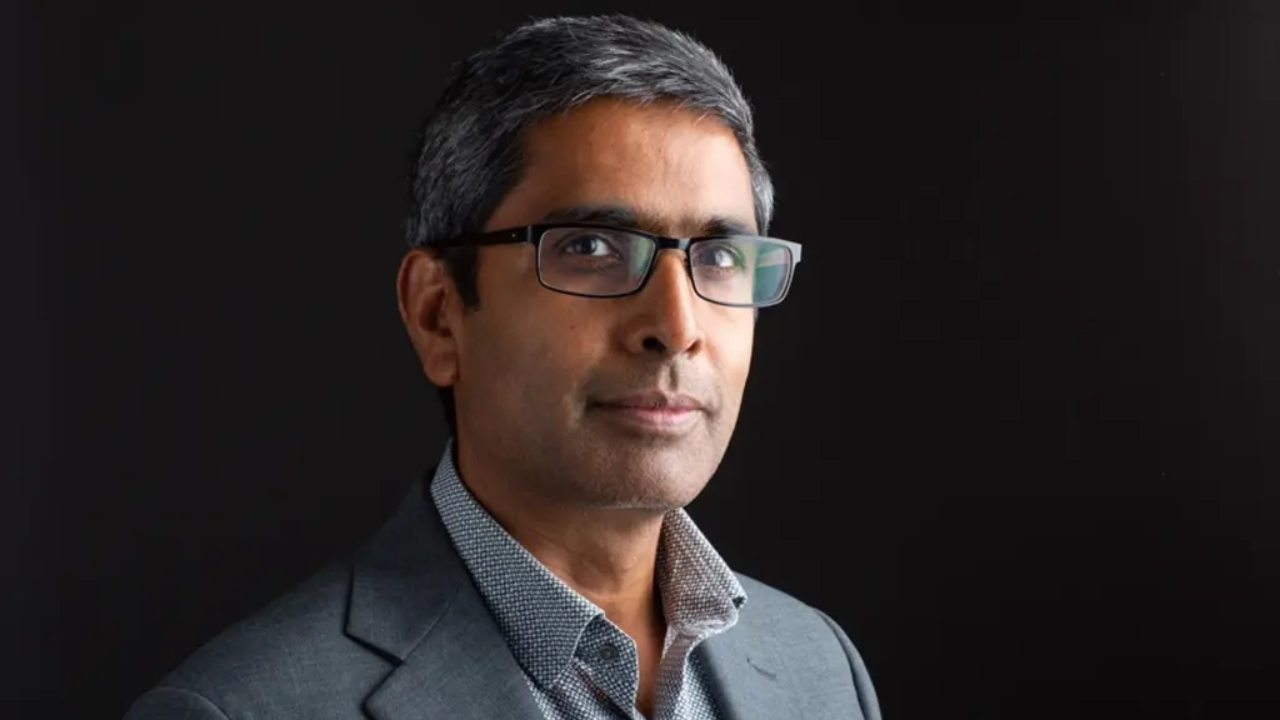
When news broke that prominent chronobiology researcher Satchidananda "Satchin" Panda is stepping down from the Salk Institute for Biological Studies, the academic community felt an immediate shift.
After 22 years in La Jolla, California, Panda will leave his post on August 13, 2026. The departure comes on the heels of an independent investigation into workplace sexual misconduct. A staff research assistant flagged concerns through official Salk channels in March, prompting the institute to hire an outside law firm to look into the matter.
Panda vehemently denies any wrongdoing. He issued a statement emphasizing his commitment to a safe and respectful environment, framing those principles as central to his leadership. Yet, his quiet resignation leaves big questions unanswered. It also highlights a troubling pattern within elite scientific institutions.
The Man Behind Time-Restricted Eating
Panda isn't just any lab director. He's basically a household name in wellness and metabolism research.
His work on melanopsin—a light-sensitive protein in the eye—helped rewrite what we know about body clocks. Later, his research into time-restricted eating (TRE) showed that restricting daily food intake to an 8 to 12-hour window could help stave off obesity, metabolic syndrome, and diabetes in lab models. He penned The Circadian Diabetes Code, spoke on major health podcasts, and brought millions of dollars in grant funding into Salk.
When a scientist of this stature gets investigated, the ripple effects touch everyone—from junior postdocs to institutional donors.
History Repeating Itself at La Jolla
This isn't the first time Salk has dealt with high-profile misconduct claims.
Back in 2018, renowned cancer biologist Inder Verma resigned from Salk after eight women accused him of sexual harassment dating back decades. Verma denied the claims, but the institutional fallout was massive. That scandal led to public commitments from top research centers to fix lab culture and clean up internal reporting processes.
Eight years later, the same institution is facing similar criticism. Reporting by Science revealed that Salk had actually investigated Panda once before over separate misconduct claims and taken internal disciplinary measures. Staff members are now speaking out anonymously about how quietly this latest resignation is being handled.
When academic institutions allow high-profile leaders to resign quietly without releasing findings, it creates a loophole. A scientist can simply pack up, retain their prestige, and move to another lab or university without new colleagues ever knowing what happened.
The Power Dynamic in Scientific Research
Academic research labs run on a severe power imbalance.
Principal investigators (PIs) hold total authority over young researchers. A PI controls:
- Grant funding and salaries
- Authorship on major publications
- Letters of recommendation required for green cards or future career steps
- Lab access and daily duties
If a junior research assistant or postdoc experiences harassment, reporting it feels like nuclear war. If they speak up, their career trajectory can vanish overnight. If they keep quiet, the behavior continues.
Honestly, this dynamic is why misconduct in scientific research persists despite modern HR policies. The incentive structure protects star researchers who bring in grants, while early-career workers bear all the risk.
What Needs to Change in Academic Oversight
Fixing this problem requires concrete structural shifts rather than simple PR statements.
Mandatory Transparency in Separation Agreements
Institutions must stop using quiet resignations to sweep findings under the rug. While personal privacy matters, academic safety requires that substantiated misconduct findings follow researchers to new employer databases.Grant Funding Conditional on Culture Audits
Funding bodies like the NIH should tie major research grants directly to verified workplace culture standards and external oversight.📖 Related: sun lakes dry falls state park washingtonIndependent Reporting Outside the University
Junior researchers shouldn't have to report abuse to internal HR teams that ultimately work to protect the institution's brand. Independent third-party ombuds programs give victims a safe place to speak up without fear of retaliation.Protecting Trainee Visas and Career Continuity
International postdocs and research assistants often depend on their lab head for visa sponsorship. Standardized safety nets must be established so a whistleblower doesn't face deportation or career ruin for reporting misconduct.
Satchin Panda's departure from the Salk Institute isn't just news about a single scientist. It's a reminder that science still has a long way to go in holding its most powerful figures accountable.