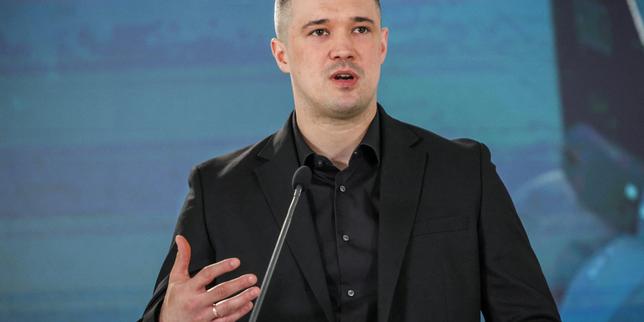
Mykhailo Fedorov is out.
On July 15, 2026, the Ukrainian defense minister confirmed what rumors had suggested for weeks: he's stepping down. He posted his farewell on Facebook, trying to spin his six-month tenure as a victory of military tech and defense procurement.
But don't let the polite social media posts fool you. This isn't just a routine bureaucratic update. It's a seismic shift in Kyiv's leadership at a time when the stakes couldn't be higher.
To understand why this matters, you have to look past the official press releases. The departure comes right on the heels of Prime Minister Yulia Svyrydenko's resignation. Technically, her exit triggered the constitutional requirement to reappoint the entire cabinet. But Fedorov's exit is personal, political, and deeply tied to how Ukraine plan to survive a brutal war of attrition.
The Real Power Struggle in Kyiv
The official line is simple. The Prime Minister resigned, so the cabinet dissolved. It's a standard government reset.
The real story? A quiet, fierce conflict has been brewing inside Ukraine’s leadership.
Fedorov, a darling of the tech-heavy modernization movement, ran headfirst into the realities of traditional military command. According to lawmakers in Kyiv, including Yaroslav Zhelezniak, President Volodymyr Zelensky privately admitted that Fedorov had a long-running, severe conflict with Commander-in-Chief Oleksandr Syrskyi.
When you have a civilian defense minister and a hardline military commander pulling in different directions, the war effort stalls. Fedorov wanted rapid tech integration and decentralized procurement. Syrskyi wanted traditional, structured military execution. Zelensky reportedly told members of his party that, in an ideal world, he’d replace both of them to start fresh. But you can't fire your top general in the middle of a massive summer offensive.
So, Fedorov had to go.
The Mobilization Crisis Zelensky Couldn't Ignore
There's another major reason Fedorov is packing his bags: the failure to reform the TCCs (Territorial Recruitment and Social Support Centers).
Ukraine's mobilization system is under immense strain. The public is tired, the front lines are demanding fresh troops, and the recruitment offices have been plagued by inefficiency and scandals. Zelensky directly blamed Fedorov for failing to reform these recruitment centers.
In war, weapon systems matter, but manpower is the ultimate currency. If your defense minister can't streamline how you recruit and train citizens without destroying public trust, that minister becomes a liability.
To make matters worse, civilian casualties are spiking. A recent UN report revealed that June 2026 was the deadliest month for Ukrainian civilians since April 2022, with at least 293 killed and nearly 2,000 injured. When domestic pressure rises due to civilian loss, the president needs to show he's holding his top officials accountable. Fedorov's head was the easiest one to offer.
Who Steps into the Fire Next?
The rumor mill in Kyiv is already spinning. The most likely candidate to replace Fedorov is current Internal Affairs Minister Igor Klymenko.
Choosing Klymenko would represent a massive shift in strategy. Fedorov was a digital-first reformer. Klymenko is a seasoned law enforcement officer who understands domestic security, police forces, and, crucially, how to manage state structures under pressure.
If Klymenko takes over, expect a much more disciplined, heavy-handed approach to domestic mobilization and military logistics. The era of treating the defense ministry like a tech startup is over. Kyiv is bracing for a long, grueling struggle, and they want pragmatists, not visionaries, in charge of the supply lines.
Sanctions and the Struggle in Brussels
While Zelensky reshuffles his team at home, he's also fighting a diplomatic battle in Europe.
He's pushing hard for the European Union to finalize its 21st sanctions package against Russia. But European unity is showing some very obvious cracks.
The main sticking point right now is the Russian oil price cap. Due to the escalating conflict in Iran, global crude oil prices have surged. Under current rules, the price cap on Russian oil is set to jump from $44 to meet international market rates. Brussels wants to lock in the lower cap to keep starving Moscow of energy revenues, but negotiations are stuck.
Bulgaria is also digging its heels in, opposing proposed sanctions against Russian Orthodox Patriarch Kirill, a staunch ally of Vladimir Putin. There's also intense lobbying behind the scenes to soften a proposed blanket visa ban on Russian nationals who have participated in the war.
Zelensky is trying to project absolute stability to his Western allies, even as he fires his defense minister. He needs the West to see Kyiv as a reliable partner, not a chaotic political circus. European Commission President Ursula von der Leyen's visit to Kyiv on Wednesday for Statehood Day was a calculated show of solidarity, but behind closed doors, European leaders are watching this sudden cabinet collapse with deep anxiety.
What Lies Ahead for Ukraine's War Effort
If you're looking for a quick resolution to the conflict, don't hold your breath.
Kyiv's military strategy has shifted. They've realized they can't simply push Russia out of every inch of occupied territory through brute force alone. Instead, they're launching deep, painful strikes into Russian territory to target energy infrastructure and military hubs. The goal is to make the economic and political cost of the war unbearable for Putin.
But this strategy only works if the home front holds.
A successful transition to a new defense minister is vital. The incoming minister must immediately fix the recruitment crisis, patch up relations with General Syrskyi, and ensure that Western weapons keep flowing to the front lines without delay.
If the new leadership fails to stabilize the domestic draft and streamline logistics, no amount of deep-strike drone technology will save Ukraine's front lines from slowly buckling under Russian pressure. Keep your eyes on Kyiv over the next few days. The names on the office doors are changing, but the brutal math of this war remains exactly the same.