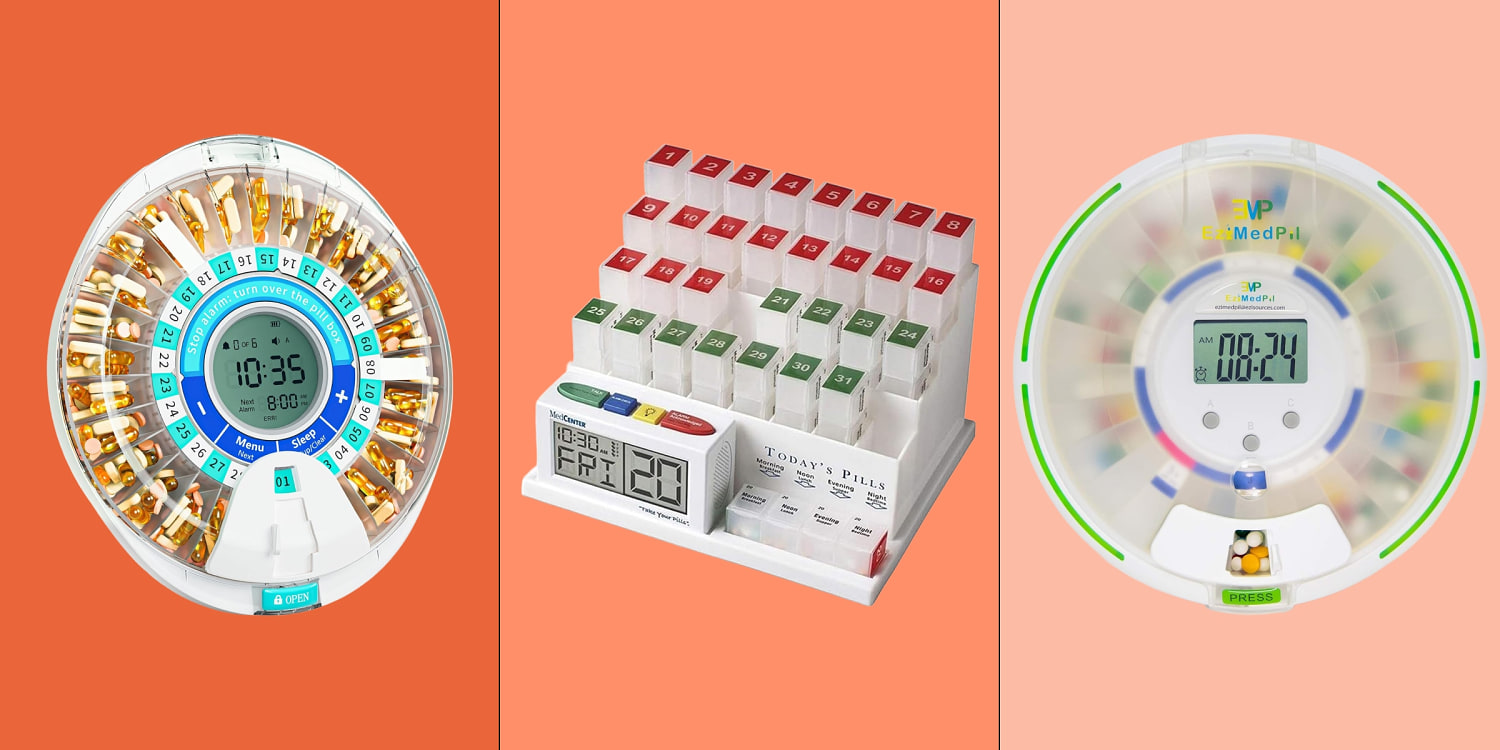
Medication management is messy. If you or an aging parent take four different prescriptions at three different times of day, standard plastic pillboxes quickly become a high-stakes guessing game. A single forgotten blood pressure pill or a doubled-up dose of blood thinners can mean a middle-of-the-night trip to the emergency room.
Smart and automatic pill dispensers promise to fix this. They beep, flash, spin, send smartphone push notifications, and lock away extra doses to stop over-medication. But here's what product reviews rarely mention: half of these high-tech machines end up collecting dust because they're either too complicated to set up, too expensive to maintain, or fundamentally ill-suited for the person using them.
Choosing the right dispenser isn't about buying the machine with the most bells and whistles. It's about matching the device's physical mechanics and tech tier to the specific daily routine and cognitive capacity of the patient.
The Real Cost structure Nobody Warns You About
Before looking at specific features, you need to understand the business model behind automated medication dispensers. They generally fall into two distinct financial categories: subscription-based hardware and one-time purchases.
Subscription devices like Hero cost between $30 and $45 a month, often paired with an upfront setup fee. In exchange, you get a machine that operates like a mini-vending machine, along with cellular connectivity and active caregiver call-center alerts. If you stop paying, the machine locks up or stops dispensing altogether.
One-time purchase devices like the LiveFine or EziMedPil range from $60 to $180. You buy the unit outright, pop in four AA batteries or plug it in, and program it directly on the device. They lack live support desks, but they carry zero monthly fees.
Cost Model Comparison

Subscription Devices (e.g., Hero, MedMinder)
- Monthly Fee: $30 - $125/month
- Hardware Cost: Low upfront ($0 - $100)
- Connectivity: Built-in Cellular / Wi-Fi
- Caregiver Alerts: Real-time SMS, App, Call Escalation
- Long-term Cost: High ($360 - $1,500+ per year)

One-Time Hardware (e.g., LiveFine, EziMedPil, MedCenter)
- Monthly Fee: $0
- Hardware Cost: $60 - $180 upfront
- Connectivity: Offline, Bluetooth, or Local Wi-Fi
- Caregiver Alerts: Local alarms or basic app notifications
- Long-term Cost: Low (Flat hardware purchase)
If you're managing care for someone with moderate to severe dementia who frequently wanders, real-time cellular monitoring with missed-dose text alerts is worth every penny of a subscription. If you just need a reliable reminder so you don't forget your mid-afternoon supplement or blood pressure pill, subscription models are complete overkill.
The Four Top Automatic Dispensers for Actual Real-World Use
Hero Health Dispenser: Best for Complex Daily Regimens
Hero is the heavy hitter of smart medication managers. Instead of using a traditional rotating wheel where you manually drop pills into separate day-and-time slots, Hero holds up to 10 different loose medications inside individual internal cartridges. You pour your pill bottles directly into the machine, enter the dosing schedule on the app, and the machine automatically sorts and dispenses the exact combination when it's time.
- Pros: Holds a 90-day supply of up to 10 pills, eliminates manual slot-filling for weeks at a time, excellent caregiver phone alerts.
- Cons: High monthly subscription fee, bulky desktop footprint, requires stable Wi-Fi, jammed pills require clearing internal mechanisms.
LiveFine 28-Day Automatic Pill Dispenser: Best Budget Locked Option
The LiveFine is the classic carousel-style automatic dispenser. It uses a circular tray divided into 28 individual compartments. You fill the tray manually, set up to 6 audio and visual alarms per day, and lock the opaque or frosted lid with a physical key. When the alarm goes off, the tray rotates, revealing only the current dose while keeping the rest secured. To stop the alarm, the user picks up the device and tilts it upside down to dump the pills into their hand.
- Pros: Under $100 purchase, no monthly fees, physical lock prevents double-dosing, works on battery power during outages.
- Cons: Must be manually refilled frequently if taking doses multiple times a day, setup buttons are small, tilting motion can be hard for severe arthritis sufferers.
Mobi Connect Smart Pill Dispenser: Best for Tech-Savvy Families
Mobi offers a middle ground between cheap offline carousels and high-end subscription machines. It uses the standard 28-slot carousel design, but adds 2.4 GHz Wi-Fi connectivity so family members can track dosing history via a smartphone app without paying a monthly subscription fee.
- Pros: Mid-tier price point ($130-$160), remote app tracking with zero subscription fees, clear light-up signals, UV-resistant lid.
- Cons: Requires a stable 2.4 GHz home Wi-Fi network for app sync, app notifications depend on phone battery and network signal.
MedReady 357 Series: Best for Dementia and Cognitive Decline
When security and sheer reliability take priority over sleek designs, MedReady is the healthcare industry standby. Built like a small vault, it features tamper-resistant casing, heavy-duty mechanical locking mechanisms, and built-in 4G cellular options that don't rely on home Wi-Fi. If the compartment opens and the pills aren't removed within a set window, it can trigger automated phone calls to caregivers.
- Pros: Extremely tamper-resistant, works off cellular networks without Wi-Fi setup, highly loud alarm tones.
- Cons: Medical-looking aesthetic, expensive hardware with optional monthly cellular fees.
Critical Features That Make or Break Daily Adherence
Glossy marketing photos make every dispenser look seamless, but daily use reveals immediate practical friction points. Keep these three key factors in mind before making a purchase.
Locking Mechanisms Matter More Than You Think
If the person taking medication has mild memory loss, they might take a scheduled dose, forget they took it five minutes later, and open the box to take it again. Standard plastic pill organizers do nothing to prevent this. Look for devices with a physical key lock or software PIN access. Locked dispensers expose only the current dose while keeping future doses fully sealed away.
Wi-Fi vs Cellular Connectivity
Wi-Fi-enabled dispensers are great until the power flickers or the home router reboots. If an elderly parent doesn't have home internet—or isn't comfortable troubleshooting connection issues—avoid Wi-Fi models entirely. Choose either a completely offline device with battery backup or a unit with built-in cellular capability.
Physical Pill Size and Half-Tablet Hacks
Pill carousels have limited physical compartment volumes. If someone takes large fish oil gels, oversized calcium tablets, or multiple large capsules at once, 28-slot trays fill up fast. Additionally, automatic machines that pull loose pills from internal hoppers often choke on split pills or gummy supplements. If your regimen involves halved pills, carousel trays are far safer than automated cartridge-style dispensers.
Practical Steps to Get Started Right Now
Don't buy a dispenser on impulse without auditing the actual medication routine first.
- Count total daily doses: Write down how many times per day pills must be taken. A 28-compartment tray lasts 28 days for a once-a-day schedule, but only 7 days if pills are taken 4 times daily.
- Measure physical pill sizes: Group together the single largest dose of the day to make sure it physically fits into a standard 1.5-inch carousel compartment.
- Decide on caregiver involvement: Determine if you need real-time SMS text alerts when a dose is missed, or if a loud local audio alarm in the living room is enough.
- Consult the pharmacist: Ask your pharmacist to review the setup schedule. Some medications must be kept in original light-blocking bottles or blister packs and shouldn't sit inside a plastic tray for a full month.