You have probably seen the flashy international headlines. Australia is making news because its massive grid is practically drowning in solar power. Things got so extreme that the government stepped in with a mandatory policy called the Solar Sharer Offer. If you live in New South Wales, South East Queensland, or South Australia, energy retailers must give you three hours of zero-cost power every single day.
It sounds like a dream. No-cost electricity in the middle of the day. You don't even need solar panels on your own roof to qualify. Renters, apartment dwellers, and homeowners can all sign up.
But let's look past the hype. Is this actually a gift from a benevolent green grid, or is it a calculated move to solve a major industrial headache while squeezing you on the backend?
The Midday Glut is a Burden Not a Gift
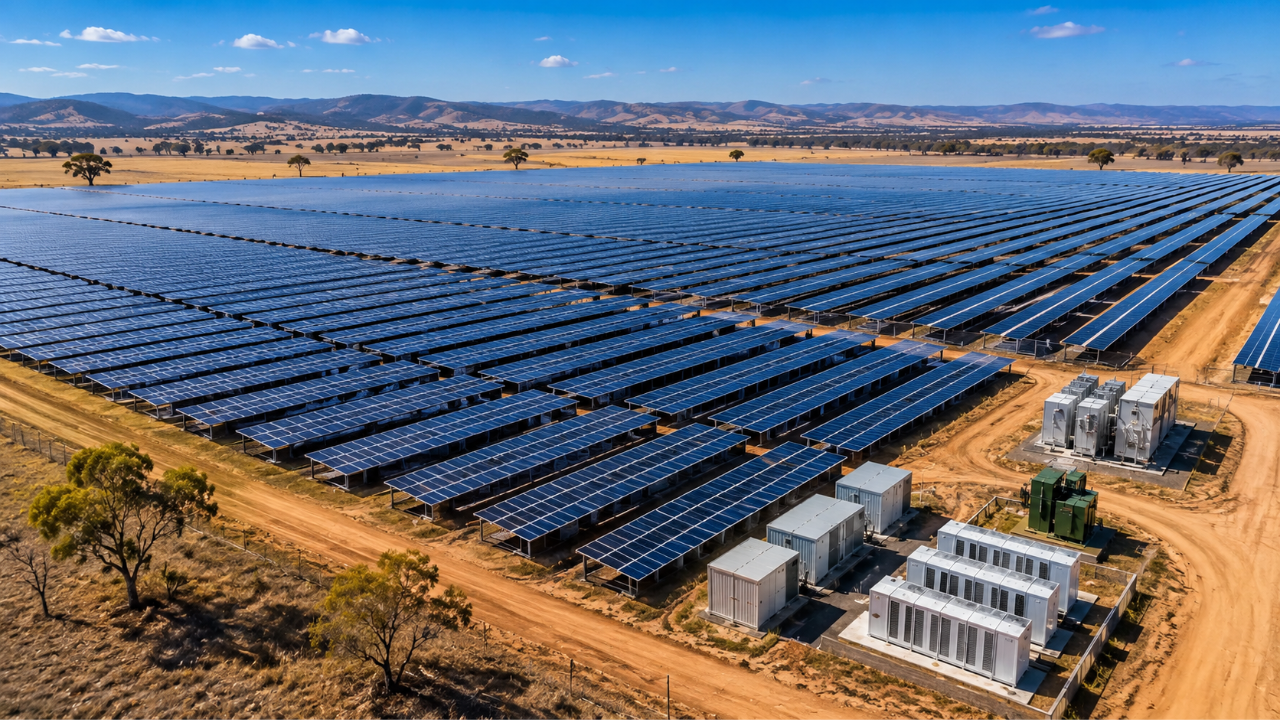
Australia does not give away energy because it is generous. It does it out of desperation. Over 3.7 million Australian homes have rooftop solar installations. Around noon, millions of solar panels flood the grid with clean electricity all at once.
This creates what energy engineers call a "minimum demand" event. When production skyrockets and nobody uses the power, grid voltage spikes. It risks destabilizing the entire transmission network. To prevent blackouts, the market operator frequently forces wholesale electricity prices into negative territory. Retailers literally have to pay the grid to dump power.
The Solar Sharer Offer is an attempt to turn regular households into human sponges. By offering up to 24 kilowatt-hours (kWh) of unpaid electricity per day, the government is incentivizing you to turn on everything you own at lunchtime. It absorbs the dangerous surplus.
The three-hour windows are strictly fixed:
- New South Wales and South East Queensland: 11:00 AM to 2:00 PM
- South Australia: 12:00 PM to 3:00 PM
If you use more than 24 kWh during those three hours, you pay regular rates for the excess. But honestly, 24 kWh is plenty. That is enough to run an average five-person home for an entire day, packed into a brief window.
The Financial Trade-Off Most People Miss
Here is the twist. This is a standalone, opt-in electricity plan. You cannot simply add three free hours to your current cheap energy contract. If you switch to a Solar Sharer plan, you are moving to a time-of-use tariff.
Guess what happens to the rates outside of that three-hour oasis? They go up.
Your evening peak rates—when you actually get home from work, cook dinner, and watch TV—will likely be significantly higher than a standard flat-rate plan. Furthermore, early reports from Aussie consumers on online forums indicate that daily connection supply charges are creeping up to offset the midday losses. You still pay that base connection fee every day, even if you draw zero power.
If you are a traditional worker who leaves the house at 8:00 AM and returns at 6:00 PM, this plan will probably bankrupt your wallet. Your fridge and standby appliances will tick over at a premium all day, and your evening routine will hit you with peak pricing. You will end up subsidizing the free power you were not home to use.
How to Win the Energy Game
This plan is a massive win for specific lifestyles, but it requires strategy. If you want to exploit the system instead of letting it exploit you, you need to focus heavily on shifting your dynamic load.
Work from Home and Retirees
If your boots are on the ground during midday, you are the prime target. You need to schedule your life around the clock. Washers, dryers, dishwashers, and pool pumps must run sequentially during the free window.
Electric Vehicle Owners
An EV is a massive battery on wheels. A standard 7 kW home charger running for three hours can pull 21 kWh of electricity. That translates to roughly 80 to 100 miles of driving range. If you work from home or can charge on weekends, you can essentially drive for free without ever paying for fuel or commercial charging stations.
Smart Home Automation
If you are not home, you have to automate. Use smart plugs, timers, or appliance apps to trigger heavy cycles. Blast your air conditioning or ducted heating at 11:30 AM to pre-cool or pre-heat the structure of your house. By the time you get home in the evening, the home is comfortable, and you can minimize appliance use during peak pricing hours.
Home Battery Banking
If you own a standalone home battery system like a Tesla Powerwall or an iStore unit but don't have rooftop solar, you can configure the system to fast-charge from the grid during the free hours. You then discharge that stored power during the expensive evening peak. Early adopters using this specific tactic report cutting their monthly utility bills down to single digits.
Your Immediate Next Steps
Before you call your energy retailer to demand the switch, do your homework. Look at your latest utility bill and identify your current smart meter data. If you have a basic analog meter, you are ineligible until you upgrade to a digital interval meter.
Calculate how much of your daily usage happens after dark. If more than 60% of your energy consumption is anchored to the evening, stay away from the Solar Sharer Offer. Keep your flat-rate plan. But if you have an EV parked in the driveway at noon or you work from a laptop at the kitchen table, call your provider, compare the off-peak spike against your potential daytime savings, and make the switch.