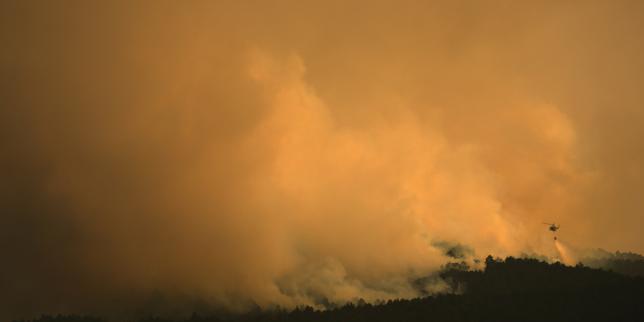
Southern Europe is facing another brutal summer of wildfires. It happens every single year now.
In Italy, a tragic loss marked the latest wave of blazes when a firefighter lost his life fighting flames in the south. Meanwhile, over in Spain, emergency crews had to evacuate hundreds of residents in the Madrid region as uncontrolled forest fires crept dangerously close to residential neighborhood borders. It’s a terrifying scenario, but frankly, nobody should be surprised anymore.
The real crisis isn't just that these fires are happening. It's that Europe keeps treating a predictable annual catastrophe like a sudden surprise.
The Tragic Human Cost in Italy and Spain
Wildfires across the Mediterranean basin aren't abstract environmental warnings anymore. They are taking lives and destroying communities right now.
In Italy, firefighters fought around the clock against multiple severe outbreaks across the southern provinces. The death of a frontline firefighter serves as a grim reminder of just how dangerous these operations are when weather conditions turn hostile. High temperatures, bone-dry soil, and sudden gusts of wind turn localized grass fires into uncontainable infernos within minutes.
Spain faces an equally chaotic scene near Madrid. Emergency authorities issued urgent evacuation orders as thick smoke plumes covered major access routes, forcing families out of their homes with only a few minutes' notice. Fire crews, backed by specialized military units and water-dropping aircraft, scrambled to establish containment lines before shifting winds could push the flames directly into urban suburbs.
The pattern is identical across Greece, Portugal, and Southern France. Extreme heatwaves dry out vegetation, converting forests and shrublands into massive tinderboxes. A single spark—whether from lightning, agricultural burning, or arson—triggers an immediate emergency.
Why Mediterranean Heatwaves Are Escalating Wildfire Intensity
Fire needs three simple things: fuel, oxygen, and heat. Southern Europe currently has an overabundance of all three.
Longer droughts have sucked every drop of moisture out of the soil. When vegetation dies off or dries out, it transforms into high-grade fuel. Add prolonged scorching temperatures to the mix, and you get fires that burn faster, hotter, and higher than standard suppression equipment can handle.
Many experts point out that land management practices have completely fallen behind. Decades of rural depopulation mean millions of acres of farmland have been abandoned. Without livestock grazing or active brush clearing, dead wood accumulates unchecked. When a fire starts today, it burns with vastly more energy than a similar fire would have fifty years ago.
Traditional firefighting tactics rely heavily on containment lines and aerial drops. But when a fire reaches extreme temperatures, water dropped from airplanes evaporates before even touching the ground. Ground crews get pushed back because the heat radiation alone becomes fatal from dozens of meters away.
Moving Beyond Reactive Emergency Services
Throwing more money at water bombers after fires start isn't a long-term solution. Mediterranean nations need a structural shift in how they handle wildfire risks.
- Mandatory fuel clearing: Suburban neighborhoods bordering forest zones must maintain strict firebreaks. Removing dry brush around homes saves properties far more effectively than waiting for a fire truck that might be tied up elsewhere.
- Controlled winter burns: Fire management teams need support to conduct massive, controlled burns during cooler months. Burning off dead vegetation safely in February prevents mega-fires in July.
- Restoring rural land use: Supporting local agriculture and goat grazing in high-risk zones keeps fuel loads down naturally without constant government intervention.
- Early detection networks: Thermal cameras and automated drone networks can spot tiny smoke plumes long before a human bystander calls emergency services.
If you live in or travel to fire-prone areas in Southern Europe during peak summer months, stay informed through local emergency apps, keep a emergency bag packed, and clear dry debris around your property immediately. Waiting for official evacuation orders to start preparing is a gamble no one should take.