The illusion of a stable global energy supply just shattered again. If you thought the recent US-Iran ceasefire memorandum of understanding was going to magically fix the world's most volatile choke point, think again. The fragile peace lasted just weeks before unraveling into a fresh round of missile strikes, targeted shipping attacks, and a sudden blockade of the Strait of Hormuz.
This isn't just a localized spat between Washington and Tehran. It's a direct threat to the global economy. When three commercial tankers were struck by projectiles and drones near Oman, the shipping industry braced for the worst. Iran quickly moved to shut down traffic through the narrow waterway, claiming authority over the management of the strait. The response from Washington was swift and severe.
The Fragile Ceasefire That Wasn't
The temporary agreement brokered in June looked good on paper. Washington had granted Iran a temporary sanctions waiver allowing it to sell and deliver crude oil until late August. In exchange, Tehran was supposed to halt hostile maritime operations.
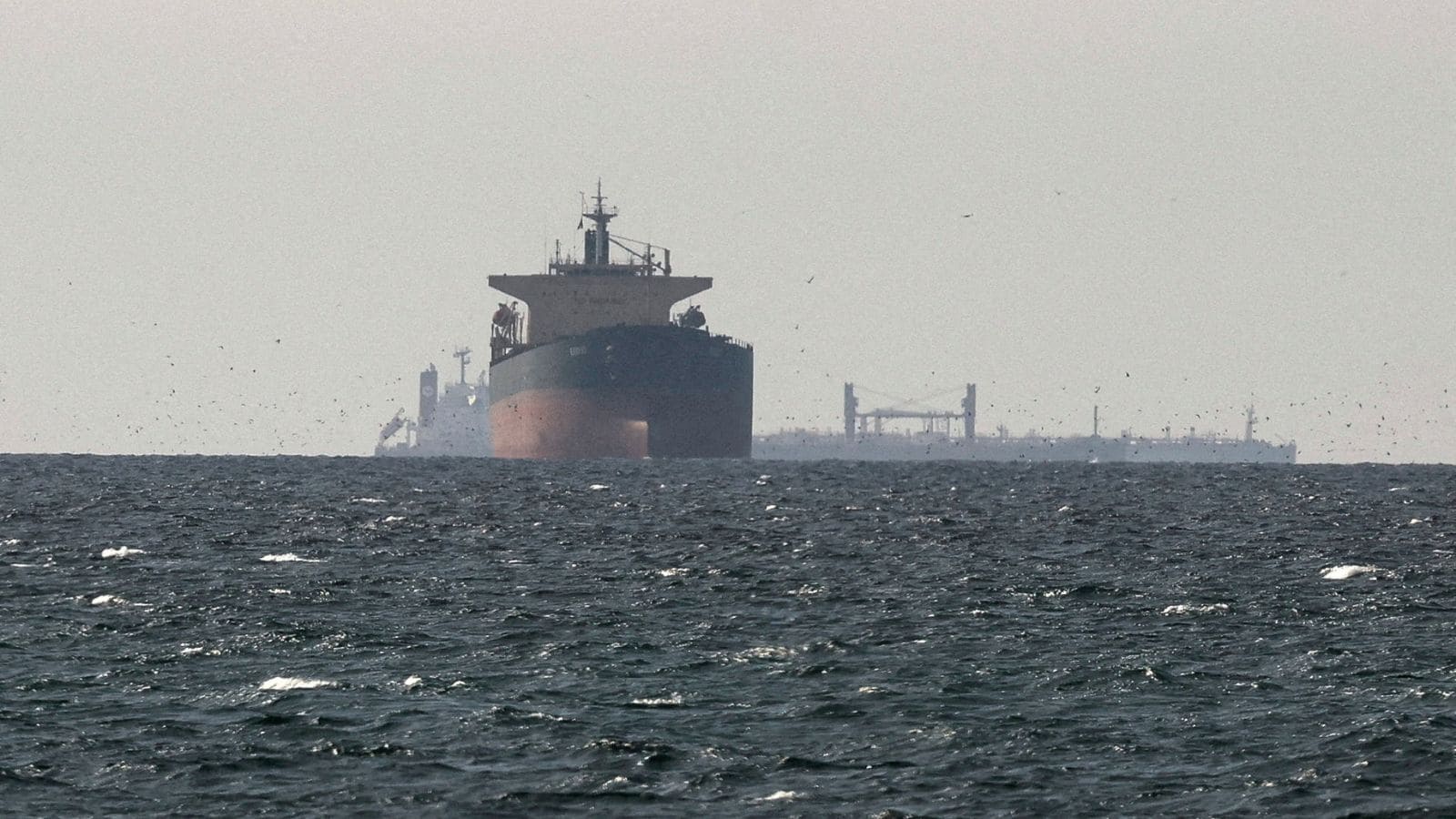
It didn't last. The United Kingdom Maritime Trade Operations reported that an unknown projectile hit an international tanker overnight, sparking a serious fire. Two more vessels were hit shortly after, with at least one confirmed to be a drone strike.
The US didn't wait around. The Treasury Department instantly revoked Iran's oil sales license, choking off their short-lived economic lifeline. Hours later, U.S. Central Command executed a massive, coordinated air and sea blitz.
What the US Struck
According to military briefings, the recent wave of American retaliatory strikes hammered over 80 specific targets inside Iran. This wasn't a warning shot. It was an explicit effort to dismantle tactical capabilities. The operations focused heavily on coastal infrastructure:
- Air defense systems guarding key coastal nodes.
- Command and control networks used by the Islamic Revolutionary Guard Corps.
- Coastal radar sites tracking international commercial vessels.
- More than 60 IRGC small boats deployed in and around the strait to harass shipping.
Explosions rocked several key Iranian positions. State media reported heavy strikes on Qeshm Island, the city of Sirik, and the major port hub of Bandar Abbas.
Why Oman Held the Key to Avoiding This Mess
The tragedy of this latest escalation is that a workaround was on the table. Oman had actively proposed a temporary transit corridor that would allow international tankers to hug its coastline, moving vessels safely away from the primary Iranian friction points.
Tehran flatly rejected it. Why? Because the proposed corridor bypassed their territorial influence, and Iran has been trying to impose transit fees on ships moving through the narrow waterway. By keeping the main shipping lanes under its thumb, Iran maintains maximum leverage over the West.
When that leverage turned into kinetic attacks on three distinct tankers, the US military shifted its posture from diplomacy to active degradation of Iran's military industrial base. Analysts estimate that previous and current strikes have severely crippled Iran's ability to quickly rebuild, damaging numerous weapons factories and drone assembly sites. Yet, as long as Iran holds anti-ship missiles on mobile launchers, a total blockade remains a constant risk.
What This Means for Global Markets Right Now
If you transport goods or trade energy, you can't afford to ignore this. The Strait of Hormuz handles roughly a fifth of the world's petroleum liquids. Closing it, even for a few days, sends shockwaves through energy futures and spikes maritime insurance premiums.
Strait of Hormuz Daily Oil Flow: ~20% of global consumption
Alternative routes available: Limited, high-cost detours
The immediate fallout is clear. Expect container ship routing to divert around Africa if the closure extends past a few days, driving up freight costs for everything from consumer electronics to agricultural goods. The US official stance is that the agreement remains performance-based, meaning sanctions won't lift until the attacks stop completely.
If you are managing supply chains or tracking energy exposure, your immediate next step is to audit your reliance on Middle Eastern transit hubs. Ensure your freight forwarders have active contingency routing through land-based pipelines or alternative ports outside the Persian Gulf, because this cycle of strike-and-retaliate isn't going away anytime soon.