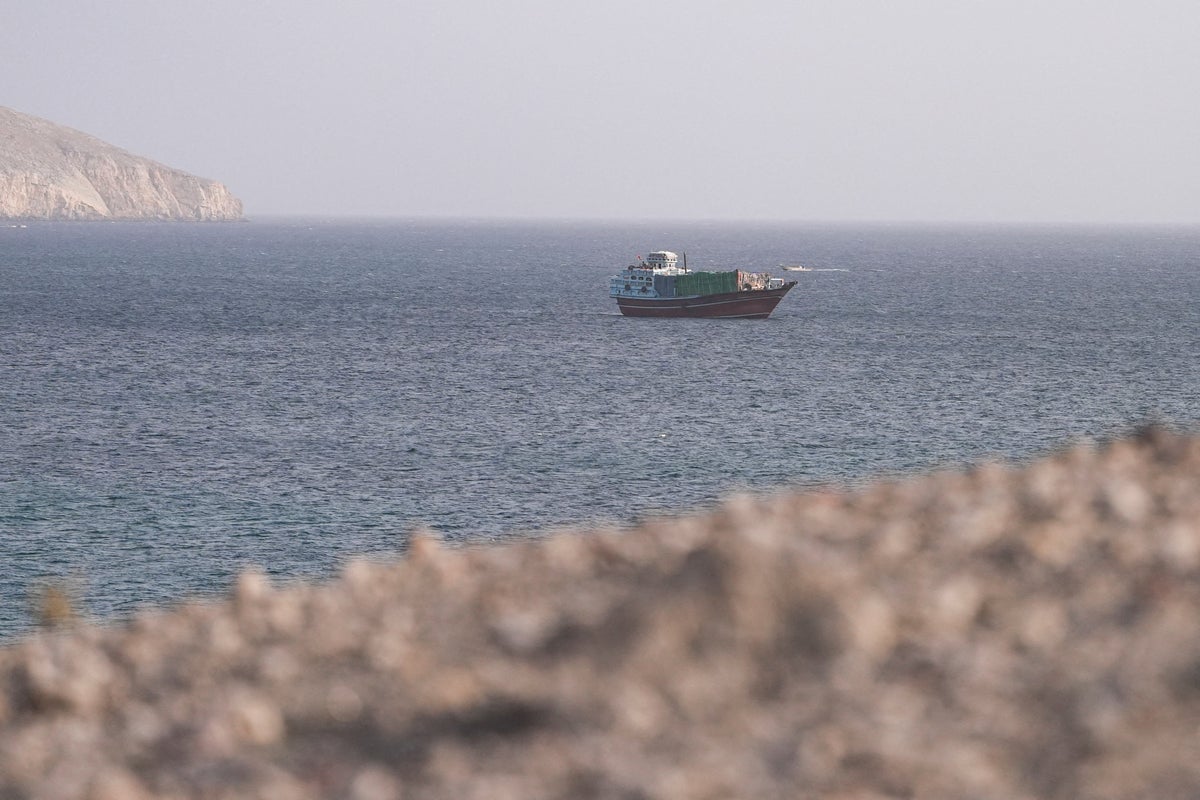
The global economy is holding its breath again. If you thought the brief diplomatic truce in June solved the Middle East energy crisis, you were wrong. The temporary peace is dead, and the world's most critical maritime choke point is practically silent.
On Sunday, July 12, 2026, just 14 commercial vessels crossed the Strait of Hormuz. To put that in perspective, more than 100 ships transited these same waters daily before the war erupted on February 28. Even during the shaky ceasefire last month, an average of 34 cargo ships made the trip each day. Now, we are looking at a 60 percent drop in traffic in a single week.
This is not a temporary hiccup. It is a full-blown shipping collapse that threatens to reshape global trade, send oil prices soaring, and force major economies into energy rationing.
The Illusion of the June Truce
For a few weeks, the world believed a deal was possible. On June 18, 2026, US President Donald Trump and Iranian President Masoud Pezeshkian signed a remote memorandum of understanding. It was a simple transaction on paper. The United States agreed to lift its punishing naval blockade and allow Iran to export oil. In exchange, Tehran promised safe passage for commercial ships traveling between the Persian Gulf and the Gulf of Oman.
The deal was highly controversial. Many defense analysts called it a weak act of appeasement. They argued that the US had failed to secure the waterway by military force and resorted to bribing Tehran just to keep the oil flowing.
It did not take long for the cracks to show. Under the hood, the agreement was incredibly vague. Iran insisted that ships could only use specific routes designated by its military and must pay transit fees. The US and its allies viewed the strait as an international waterway where such demands were illegal.
While politicians argued, the situation on the water deteriorated. On July 8, the fragile truce dissolved completely when Iran attacked several commercial vessels. The US responded instantly with airstrikes against Iranian targets, and Trump declared the peace deal dead.
Why Shipping Has Ground to a Halt
The physical reality of the Strait of Hormuz makes it a nightmare for ship captains during a military conflict. The waterway is narrow. At its tightest point, the shipping lanes are only two miles wide in each direction, separated by a two-mile buffer zone. If you are operating a massive crude carrier, you have zero room to maneuver when speedboats approach or missiles fly.
Iran does not need a massive blue-water navy to close the strait. It relies on asymmetric tactics that terrify commercial operators.
- Undersea Mines: The Iranian military has seeded the channel with sea mines. Since the US Navy's mine-sweeping capabilities have declined over the years, clearing these hidden explosives is a slow, dangerous process.
- Swarming Speedboats: Hundreds of fast-attack craft armed with light missiles and machine guns operate out of Iranian coastal bases. They can intercept and board ships in minutes.
- GPS Spoofing: Vessels in the region report severe satellite interference and false GPS signals. Navigating a narrow channel when your instruments lie to you is a recipe for disaster.
- Airstrikes and Rockets: Both US and Iranian forces are trading missile strikes across the water, making the entire region a literal active warzone.
No insurance company in the world will cover a commercial tanker entering this environment. War risk insurance premiums have skyrocketed, forcing shipping lines to make a hard choice. Either they wait out the conflict in anchored positions, or they divert their ships around the southern tip of Africa. The detour adds thousands of miles, weeks of travel time, and millions of dollars in fuel costs to every single voyage.
Running Dark and the Rise of Iranian Routes
A look at maritime tracking data reveals a strange phenomenon. While the official number of transiting ships has bottomed out, some vessels are still moving through the strait by disappearing from the map.
Under international maritime law, large commercial ships must run an Automatic Identification System, or AIS. It broadcasts their position, speed, and heading to keep traffic organized and prevent collisions. Today, dozens of captains are turning these transponders off. They are "running dark" through the most dangerous waters on Earth, hoping that silence will protect them from Iranian radar and US strikes.
At the same time, the ships that do keep their transponders on are changing how they travel. Kpler, a leading commodity intelligence firm, reported a massive drop in vessels using the Omani and international corridors. Instead, traffic has shifted heavily toward the northern routes controlled directly by Iran.
Essentially, Iran has won control of the strait's daily operations. Shipowners have realized that if they want to pass safely, they must play by Tehran's rules, pay their unofficial tolls, and steer clear of the southern sea lanes protected by the US Navy under Project Freedom. It is a massive blow to Western maritime authority.
The Global Economic Fallout
The collapse of Strait of Hormuz shipping traffic is not just a regional dispute. It is a direct threat to the global economy. Roughly 20 percent of the world's liquefied natural gas and oil flows through this tiny gap.
Pre-War Shipping Volume vs. July 2026

Pre-War Era:     ~~~~~~~~~~ 100+ vessels per day
During June Truce: ~~~ 34 vessels per day
July 12, 2026:     ~ 14 vessels per day
The Oil and Gas Shock
Brent crude futures quickly spiked to $80 per barrel following the collapse of the truce, and market analysts warn this is only the beginning. If the blockade remains in place, we could see oil prices reach levels not experienced since the major energy crises of the 1970s. Europe is particularly vulnerable. The continent gets up to 14 percent of its liquefied natural gas from Qatar, all of which must pass through the strait. With those shipments frozen, European countries face the prospect of severe winter energy shortages.
India's Quiet Crisis
Few countries are feeling the pain as sharply as India. The nation relies on the Middle East for 40 percent of its crude oil, 60 percent of its liquefied natural gas, and an incredible 90 percent of its liquefied petroleum gas.
The Indian government has already begun rationing gas supplies to industrial and commercial buyers. Emergency measures are in place to stop panic-buying of cooking gas. While New Delhi is scrambling to buy oil from alternative sources, the sheer volume needed means it cannot easily replace what has been lost in the Persian Gulf.
Trump's Protection Fee and the Escalation Ahead
Rather than backed down, the Trump administration has escalated its rhetoric and policy. Trump announced that the US will fully reinstate its naval blockade of Iran. He went a step further by proposing a highly controversial protection fee.
Under this plan, any merchant vessel using the US-protected southern corridor must pay 20 percent of its cargo's value directly to the United States. Trump argues that if the US military is risking its assets and lives to keep international shipping lanes open, the shipping companies and their destination countries should pay for the service.
This move has outraged allies and adversaries alike. Critics argue it turns the US Navy into a mercenary force and further damages the principle of free global navigation. It also gives shipping companies yet another reason to avoid the area entirely. Why risk a missile strike only to pay a 20 percent tax on your cargo?
The Hard Truth About What Comes Next
We are past the point of easy diplomatic solutions. The June ceasefire proved that temporary paper agreements cannot resolve the deep structural issues in the region. Iran has realized that controlling the Strait of Hormuz gives it immense leverage over the global economy, and it is highly unlikely to give that up without a massive fight.
The US, meanwhile, is stuck between a policy of military escalation and a domestic audience that has little appetite for another endless war in the Middle East.
If you are managing a global supply chain, relying on energy imports, or trying to protect your investment portfolio, you need to prepare for a prolonged period of high shipping costs and volatile energy prices. The shipping collapse in the Strait of Hormuz is not a temporary disruption. It is the new normal.
- Diversify Energy Sources: Businesses must accelerate plans to move away from heavy reliance on Middle Eastern oil and gas.
- Expect Shipping Delays: Assume that ocean freight passing through or near the Middle East will take at least two to three weeks longer than usual.
- Monitor Insurance Policies: Keep a close eye on war risk clauses and prepare for sudden, dramatic premium increases.