The illusion of a quiet Middle East is gone. If you thought the tentative ceasefire signed in June was going to hold, the last 48 hours have delivered a brutal wake-up call. The Strait of Hormuz standoff has roared back to life with a level of violence that makes the earlier phases of this conflict look like a mere warm-up. We are no longer just looking at a localized maritime dispute. This is a rapidly expanding theater of war that threatens to choke off the world's most critical energy arteries and drag multiple nations into a catastrophic, direct conflict.
For anyone tracking global oil prices or international shipping, the situation is incredibly tense. You can't ignore a waterway that handles roughly 20% of the world's petroleum and liquefied natural gas. When things go bad in the Strait of Hormuz, the economic shockwaves hit gas stations and grocery stores thousands of miles away almost instantly.
Here is what is actually happening on the ground, why the diplomatic efforts completely fell apart, and what this dangerous escalation means for the global economy.
Why the Strait of Hormuz Standoff Matters to Your Wallet
To understand the sheer panic in global energy markets right now, you have to look at the geography. The Strait of Hormuz is a narrow bottleneck of water separating Iran from Oman and the United Arab Emirates. At its narrowest point, the shipping lanes are only two miles wide in either direction.
When the conflict erupted on February 28, 2026, with joint U.S. and Israeli air strikes inside Iran, Tehran immediately played its most powerful card. It attempted to close the strait. The Iranian Revolutionary Guard Corps (IRGC) began mining the waters, spoofing GPS signals, and using swarms of fast-attack boats to harass, board, or strike any commercial tanker that refused to comply with their strict new transit protocols.
The immediate result was the single largest monthly oil price spike in history back in March. While prices stabilized slightly during a brief diplomatic pause in June, we are now seeing shipping firms pull their vessels out of the region entirely. The United Nations International Maritime Organization (IMO) reports that maritime traffic in the strait has slowed to a virtual crawl, leaving thousands of seafarers stranded and billions of dollars in cargo stuck in limbo.
If you think this is just a regional headache, you're mistaken. A prolonged shutdown of this waterway could easily trigger a global energy crisis reminiscent of the 1970s.
The Sudden Collapse of the June Truce
For a brief moment, it looked like diplomacy might actually work. On June 17, the U.S. and Iran signed a 14-point memorandum of understanding. It was supposed to buy time. Under the terms of the truce, both sides agreed to a 60-day pause in hostilities to negotiate a permanent settlement. Iran was supposed to allow free passage through the strait again, and the U.S. agreed to pause its punishing naval blockade of Iranian ports.
But the agreement was incredibly fragile. The U.S. wanted Iran to dismantle its uranium enrichment capabilities and permanently stop attacking shipping lanes. Iran, on the other hand, demanded an immediate end to all U.S. and Israeli operations, massive financial reparations, and the complete withdrawal of American forces from the region.
The breaking point came on July 8. Citing what it claimed were provocative moves by the U.S. Navy to expand shipping lanes near Oman's territorial waters, the IRGC launched drone attacks against several merchant vessels. Just like that, the ceasefire was dead.
Ceasefire Timeline - Summer 2026
June 17: Temporary 14-point truce signed; 60-day negotiation window begins.
June 27: US-backed maritime body expands Omani southern shipping route.
July 8: Truce collapses; Iran strikes commercial ships in the Strait.
July 12: US retaliates with major wave of airstrikes targeting 140+ sites.
July 14: Iranian missile hits UAE tanker; US strikes Iranian island of Qeshm.
A Dangerous Escalation on the Water
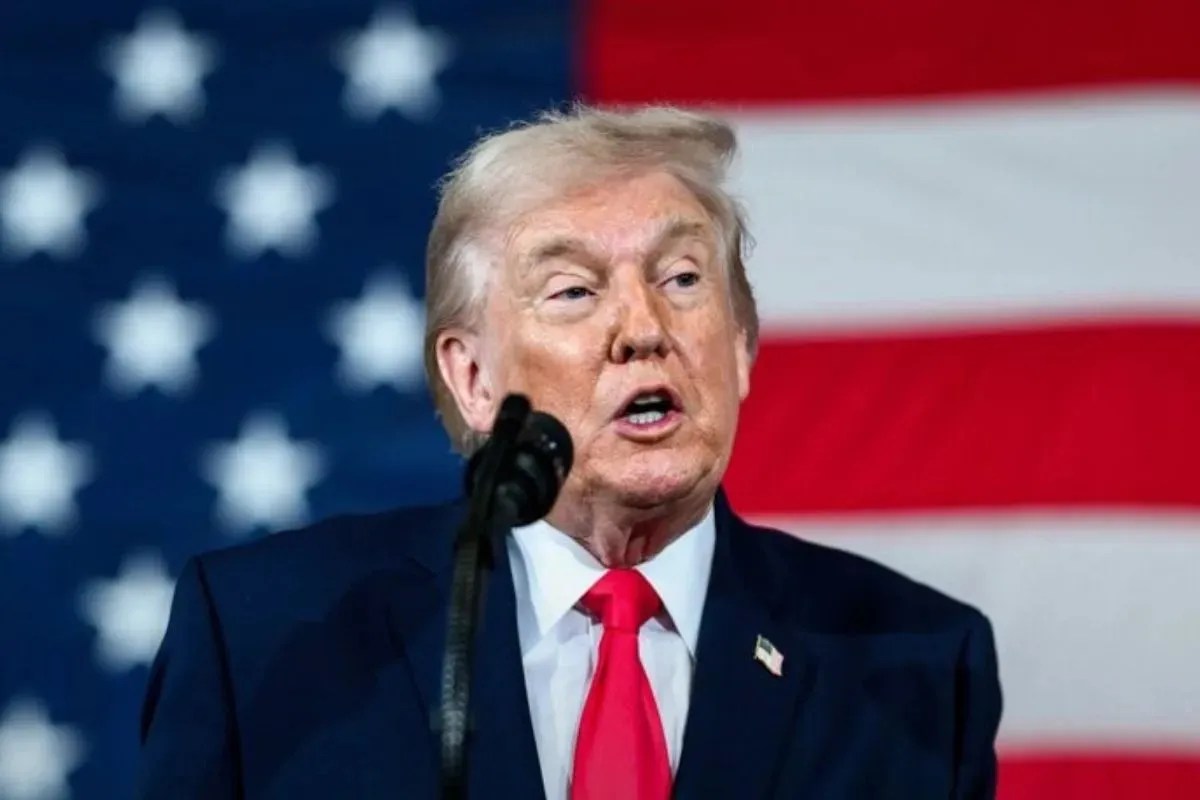
Over the past three days, the military exchange has reached a fever pitch. On July 12, the U.S. military initiated a massive aerial campaign to degrade Iran’s offensive capabilities. Navy and Air Force assets hammered over 140 targets across Iran, focusing heavily on drone launch pads, missile defense batteries, and IRGC naval bases near the coast. President Donald Trump was characteristically blunt, telling reporters that the military had "bombed the hell out of them".
Iran didn't back down. Instead, they escalated.
On July 14, an Iranian strike hit UAE shipping tankers navigating near the coast of Oman. The attack was devastating, killing an Indian crew member and wounding eight others. It was a clear message from Tehran: no vessel is safe, regardless of its flag or destination.
Hours later, U.S. forces launched retaliatory strikes on Iran's strategically vital Qeshm Island, located right at the mouth of the Strait of Hormuz. Local officials confirmed heavy explosions at military installations on the island.
To make matters worse, Iran didn't limit its response to the water. The IRGC launched missile and drone barrages against U.S. military facilities in Kuwait, Bahrain, and Jordan. This is no longer a localized naval skirmish. We are witnessing a multi-front regional war.
Trump Backs Away from the Strait Tolls But Keeps the Blockade
As the military conflict intensifies, the geopolitical strategy from Washington has been erratic. On July 13, President Trump shocked allies and shipping companies by proposing a 20% cargo transit fee on all commercial vessels passing through the Strait of Hormuz. The idea was that the U.S. Navy would provide security escorts, but shipping companies would have to pay a massive toll for the protection.
The backlash was instant and severe. European and Asian allies argued that charging tolls on an international waterway violated maritime law and would throw global trade into even deeper chaos.
By July 14, Trump had reversed course. He announced he was abandoning the 20% fee, opting instead to pursue "trade and investment deals" with Gulf partners to offset the cost of the naval operations.
But don't confuse this policy shift with a de-escalation. The U.S. naval blockade of Iranian ports is back in full force. Washington is determined to choke off Iran's remaining economic lifelines, while Tehran is equally determined to make sure that if they can't export oil, nobody else in the region can either.
The Dual Threat to Global Energy Arteries
The most alarming development of the past 24 hours is Iran's threat to expand the blockade beyond the Persian Gulf. An IRGC spokesperson warned that continued U.S. aggression would result in the closure of other vital energy export routes.
Specifically, they are pointing toward the Bab al-Mandab Strait, the narrow passage at the entrance of the Red Sea that connects to the Suez Canal. This waterway handles about 10% of global maritime oil trade.
Ansar Allah, the political wing of Yemen's Houthi movement, has publicly aligned with Iran's strategy. A senior Houthi official stated that if the situation continues to deteriorate, the Bab al-Mandab and the Strait of Hormuz will be closed in an "operational alliance".
This isn't an empty threat. The Houthis have already restarted their campaign in the Red Sea, and the conflict is spilling over into Saudi Arabia. On July 13, Houthi fighters launched missile strikes on an airport in the southern Saudi city of Abha. On July 14, they shot down a Saudi-operated Wing Loong II reconnaissance drone over Yemen's central Al-Bayda province.
If both the Strait of Hormuz and the Bab al-Mandab are closed simultaneously, the global shipping industry will face an unprecedented logistical nightmare. Ships would have to bypass the Middle East entirely, traveling around the southern tip of Africa. This adds weeks to transit times, drives up fuel costs, and will trigger a massive spike in consumer prices worldwide.
What Happens Next for Global Shipping
If you are trying to navigate these volatile waters, hoping for a diplomatic miracle is a losing strategy. The situation is highly unpredictable, and the risk of miscalculation on both sides is incredibly high.
Here are the immediate realities you need to prepare for:
- Avoid the Northern Route Entirely: Do not rely on the northern shipping lanes of the Strait of Hormuz. The Joint Maritime Information Center continues to advise all commercial vessels to utilize the southern route close to Oman. While Iran claims this violates past agreements, it remains the only viable path under active Western naval surveillance.
- Expect Massive Insurance Spikes: War risk insurance premiums for transit through the Persian Gulf and the Red Sea are about to skyrocket again. If your business relies on container shipping or energy transport through these lanes, budget for extreme cost increases immediately.
- Prepare for Red Sea Disruptions: The re-emergence of the Houthi threat means the Bab al-Mandab is no longer a safe alternative. If you are shipping goods between Asia and Europe, start planning for alternative routes around the Cape of Good Hope, even if it adds 10 to 14 days to your delivery schedules.
The June truce was a brief, fragile pause in a deep geopolitical rivalry. Now that the diplomatic options have failed, both Washington and Tehran are fully committed to a military solution. This is no longer a localized standoff. It is a reshaping of regional security, and the global economy is going to pay the price.