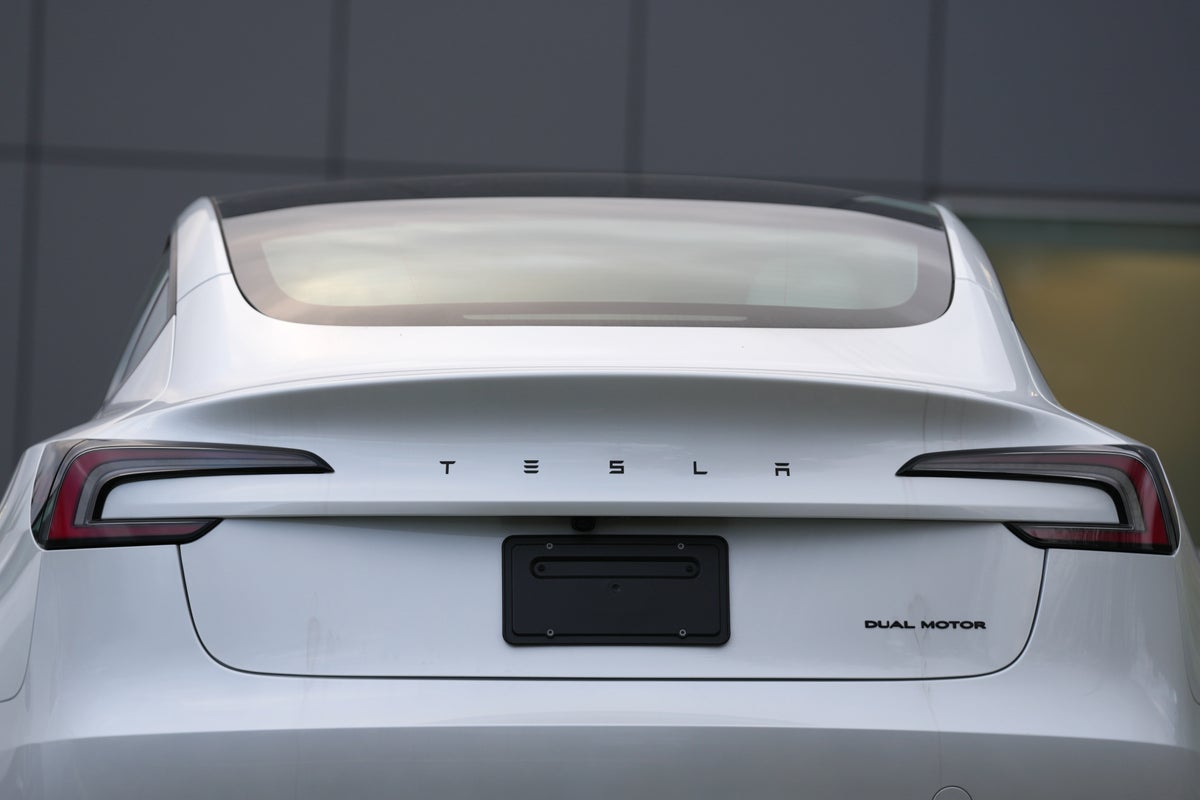
Tesla just proved once again that it isn't playing by standard auto industry rules.
If you look strictly at the numbers from Tesla's second-quarter earnings report, you might see a puzzling picture. Vehicle deliveries skyrocketed 25% year-over-year to 480,216 units. Revenue jumped 26% to $28.24 billion, blowing past Wall Street's expectations. Yet, profits fell. Adjusted earnings per share came in at 33 cents, missing the 53 cents analysts were expecting. Meanwhile, you can read related developments here: Why The Us India Trade Deal Is Finally Closing And What Businesses Should Expect.
So where did all that money go?
It went straight into compute power, silicon, and hardware. Elon Musk isn't running Tesla as a car maker anymore. He's running it as a high-stakes artificial intelligence foundry, and he's burning cash to secure a lead. To explore the full picture, check out the detailed article by The Wall Street Journal.
The Massive Spending Ramp Eating Into Margins
Research and development spending surged roughly 49% from last year, reaching $2.37 billion in a single quarter. On top of that, capital expenditures reached $5.79 billion, leading to a negative free cash flow of $1.1 billion. That marks Tesla's first quarterly cash burn in two years.
Most CEOs would get fired for sacrificing near-term profitability during a period of rising volume. Wall Street hates margin compression, and Tesla's automotive gross margin dropped to 16.3% excluding regulatory credits. That fell well short of the 18.7% margin analysts wanted to see.
Tesla CFO Vaibhav Taneja warned analysts that capital expenditures will keep growing over the next two to three years. The company expects to spend more than $25 billion this year alone.
Where is that cash going?
- Building out the massive Cortex 2 supercomputer cluster for training autonomous driving models.
- Funding the Terafab chips research facility joint venture with SpaceX.
- Expanding production facilities for the Cybercab in Texas and the Tesla Semi in Nevada.
- Preparing manufacturing lines for the Optimus humanoid robot.
Musk is betting that electric cars are just the funding engine for a far larger technology platform. If you believe the AI thesis, today's profit squeeze is an investment. If you don't, it looks like reckless spending during a tough auto cycle.
The Auto Business Under Pressure
Making and selling cars is getting tougher for Tesla on multiple fronts.
First, regulatory credits are evaporating. For years, Tesla enjoyed hundreds of millions in pure profit by selling emission credits to legacy automakers that couldn't meet fleet requirements. Revenue from those credits plummeted to $146 million this quarter from $439 million a year ago. Changes in federal climate policies have wiped out emission penalties for rival automakers, effectively gutting Tesla's free money engine.
Second, pricing power has eroded in the United States. The end of federal consumer EV tax credits forced Tesla to offer price cuts, low-interest loans, and aggressive lease terms to keep vehicle volume moving up. Discounting keeps factories running, but it hammers gross margins.
Third, international markets present a mixed bag. Sales rebounded across Europe as fuel prices climbed, helping Tesla regain momentum after a rocky period of political blowback. China remains a fierce battlefield where domestic competitors like BYD continue pushing low-cost alternatives.
To keep deliveries growing, Tesla relies heavily on low-cost variants of the Model 3 and Model Y. They sell in massive volumes, but they carry thinner profit margins.
Energy Storage and Software quietly step up
The quarter wasn't without bright spots outside auto sales.
Tesla's energy generation and battery storage division generated $3.14 billion in revenue, up 13% compared to the same quarter last year. Megapack deployments for utilities and grid operators are becoming a major recurring revenue contributor.
Subscriptions for Full Self-Driving software also picked up momentum as Tesla expanded robotaxi pilot operations to seven major U.S. metro areas. Higher software adoption carries nearly 100% gross margins, providing a counterbalance to falling hardware profits.
What Investors Should Watch Next
If you hold Tesla stock or are evaluating the EV space, ignore short-term headlines about quarterly earnings misses. Musk made it clear that Wall Street expectations are secondary to long-term compute dominance.
Here are the specific signals to watch over the next six months:
Free Cash Flow Recovery
Watch whether capex spending causes multi-quarter cash drains or if automotive cash flow stabilizes as vehicle volume grows.Robotaxi Scalability
Track commercial rollouts in existing test cities. Unsupervised rides without safety drivers will reveal if full autonomy is truly ready for commercial deployment.Optimus Timeline
Look for concrete progress on factory trial deployments of the Optimus robot later this year. Internal utility at Tesla plants comes long before external sales.💡 You might also like: this articleEnergy Segment Gross Margins
Monitor if utility battery growth continues offsetting auto margin pressure.
Tesla is transitioning from a high-margin EV maker into an aggressive, capital-intensive AI platform builder. That shift brings higher risk, increased volatility, and heavy spending. Buckle up, because the earnings volatility isn't going away anytime soon.