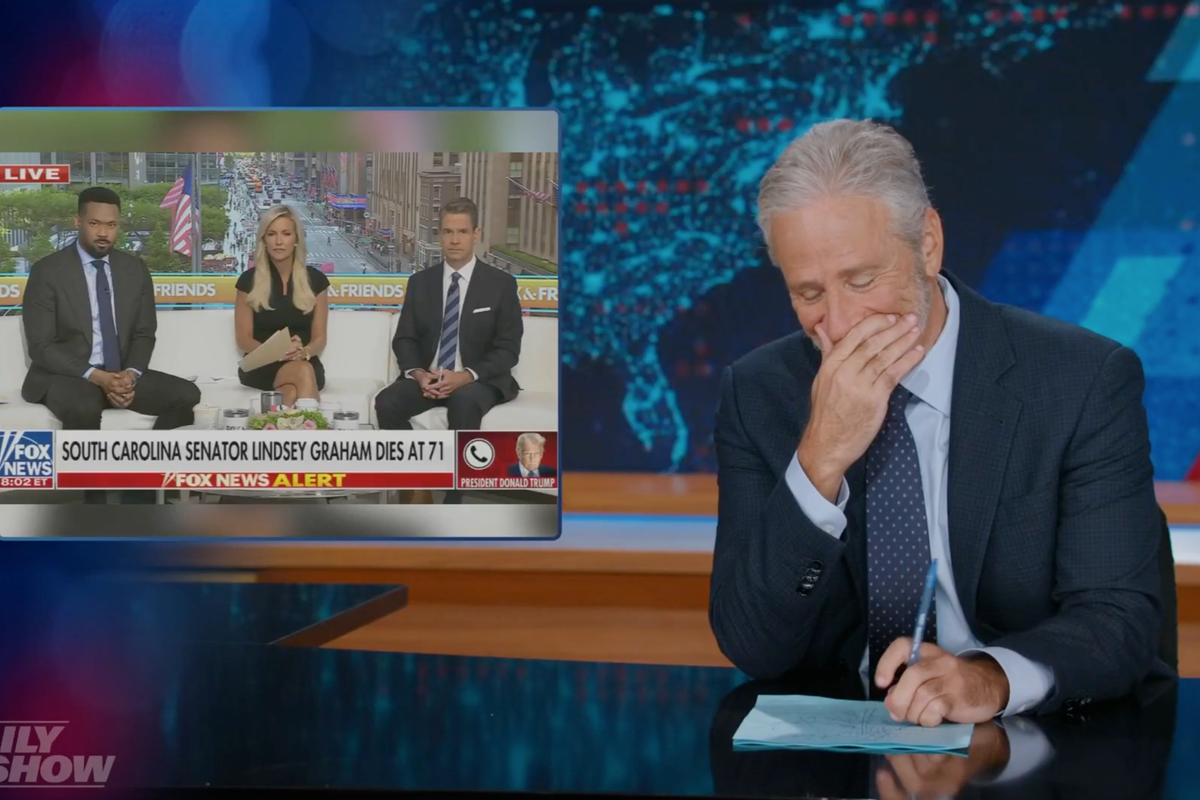
We have all seen the classic political car crash on television, but nothing quite matches the sheer comedic gold of a live, unscripted phone-in. When Donald Trump calls into Fox News, the hosts usually prepare for a friendly chat. Instead, they often end up trapped in an endless maze of verbal detours, desperate to steer him back to the script while he blazes his own path.
For Jon Stewart, these moments are not just news—they are pure, unadulterated performance art. On The Daily Show, Stewart has carved out a masterclass in dissecting these live television trainwrecks. He does not just point at the screen and laugh; he analyzes the quiet desperation of the anchors trying, and failing, to control the narrative.
When the Script Goes Out the Window
The core dynamic of a Trump Fox News call-in is a battle of wills. The anchors have a list of strategic, pre-planned talking points designed to highlight a specific policy or political victory. Trump, however, treats the phone call as a stream-of-consciousness therapy session.
Consider the time he phoned in to discuss the passing of Senator Lindsey Graham. While the hosts visibly and audibly tried to nudge the conversation toward a standard, dignified eulogy, Trump veered sharply into scorekeeping. He rated Graham's life a "99 out of 100," docking a point for the late senator’s reaction to January 6, and complained that Graham used to call his phone far too much.
"My favorite part of any eulogy is when they announce the person's life score," Stewart joked, comparing the bizarre rating system to "Dave Portnoy doing a pizza review."
This is the exact sweet spot where Stewart thrives. He zeroes in on the facial expressions of the anchors—the frozen smiles, the frantic blinking, the subtle shifting in their seats—as they realize they have completely lost control of the broadcast.
The Art of the TV Tunnel Escape
One of the funniest recurring tropes in these interviews is the awkward attempt to cut the President off. When Trump is on a roll, standard verbal cues do not work. Anchors cannot simply say, "Thank you, Mr. President, we have to go to break." He will simply keep talking over them.
This leads to hilarious technical "difficulties." Stewart famously highlighted a segment where a Fox News reporter, buried under a mountain of uninterrupted words, tried desperately to interject.
Stewart’s immediate reaction captured the absurdity of the moment perfectly:
"Oh no, I'm sorry Mr. President, the TV station's going through a tunnel!"
It is a beautiful piece of media criticism wrapped in a gag. It exposes the transactional nature of these cable news relationships. The network wants the ratings boost that comes with a live Trump call, but they are terrified of what he might actually say when left off the leash.
Why This Satire Still Bites
Critics often argue that mocking Trump’s speech patterns is low-hanging fruit, a tired trope of late-night television that has been running on repeat since 2015. But Stewart’s approach is different. He isn't just doing a cheap impression. He is dissecting the complicity and the exhaustion of the medium itself.
By focusing on the interaction—the friction between a highly managed media machine and a political figure who utterly rejects management—Stewart reveals a deeper truth about modern political communication.
- The Illusion of Control: Cable news relies on the illusion of structured debate and orderly interviews. These call-ins shatter that illusion completely.
- The Fear of the Off-Switch: Networks are trapped. They cannot simply hang up on a former president and current political powerhouse, even when the conversation devolves into personal grievances and golf handicaps.
- The Viewer's Exhaustion: Stewart acts as a pressure valve for an audience that feels overwhelmed by the constant noise of the 24-hour news cycle. He laughs so we do not have to scream.
How to Spot the Media Spin on Your Own
The next time you tune into a live political interview, don't just listen to the words. Watch the machinery around the speaker. You can analyze media spin like a professional satirist by keeping an eye out for three key signs:
- Watch the Split Screen: If the speaker is on the phone, keep your eyes on the anchor's face. Look for the exact moment their eyes glaze over or their smile becomes physically painful. That is the moment they realized they lost control.
- Listen for the Interruptions: Note how many times an anchor tries to insert a phrase like "But moving on to..." or "If we could turn to policy..." Count how many of those attempts are completely run over by the guest.
- Analyze the Wrap-Up: Pay close attention to how the network frames the interview immediately after the call drops. If they spent fifteen minutes listening to a rambling monologue but summarize it as a "focused discussion on economic strategy," you are watching live narrative salvage.
Understanding these cues changes how you consume news. It strips away the polished veneer of cable television and shows you the raw, desperate scramble happening just behind the camera.