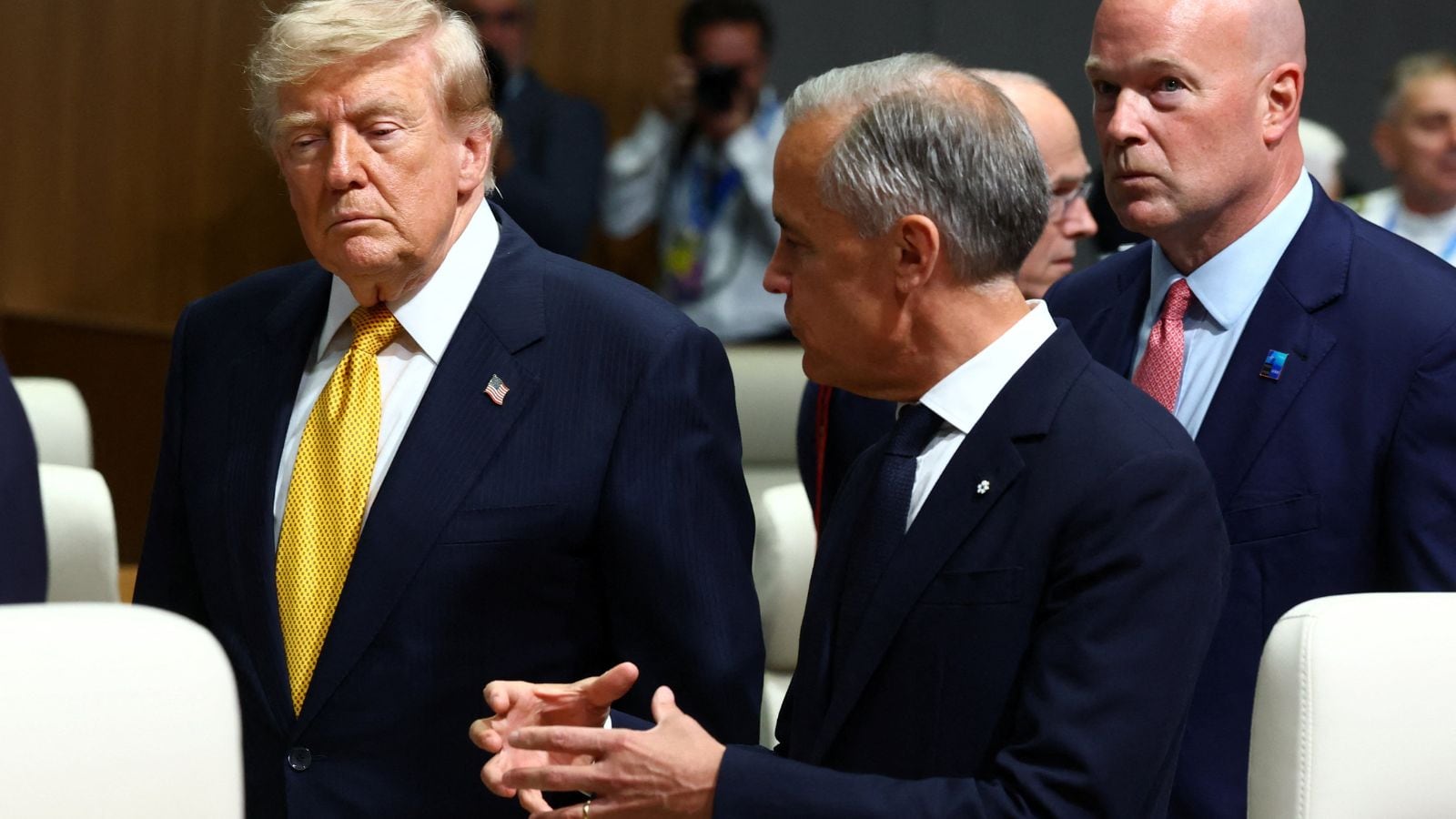
Donald Trump just fired another massive trade volley across the northern border, signing proclamations to slap a 50% tariff on a huge range of Canadian imports. He claims Ottawa has been unfairly discriminating against American auto manufacturers, dairy producers, and liquor distillers. Canadian Prime Minister Mark Carney quickly pushed back, pointing out that Canada's tariffs were simply dollar-for-dollar matches to original U.S. duties. Carney emphasized that Ottawa stands ready to intensify negotiations over the next 30 days before these new taxes kick in.
If you think this is just a high-stakes staring contest between political leaders, think again. The economic fallout will ripple straight into everyday grocery bills, construction costs, and retail prices across America. Discover more on a similar subject: this related article.
What Trump's New 50% Tariff Order Actually Covers
The U.S. administration invoked Section 338 of the Tariff Act of 1930 to enact these sweeping taxes. That's a rarely touched, Great Depression-era law designed to penalize nations deemed to discriminate against American commerce.
This new policy doesn't hit everything coming from Canada, but the hit list is long. It targets everyday items and essential industrial materials alike. Further analysis by USA Today highlights related views on the subject.
- Dairy products: Canadian cheese, butter, and specialized dairy items face the full 50% tax.
- Alcoholic beverages: Canadian whiskies, wines, and craft beers face steep entry costs.
- Consumer items and sporting goods: Furniture, paper products, clothing, and even ice hockey gear are included.
- Building supplies: Cement, lumber derivatives, and manufacturing inputs face the levy.
Major energy exports like crude oil and natural gas got a pass. Potash, critical minerals, and fresh fish were also exempted, mainly because U.S. factories and farms would collapse overnight without them.
Steel, aluminum, and automobiles already burdened under previous duties won't face this new layer, but they remain bogged down by earlier restrictions.
Why Washington Says Ottawa Deserves the Penalty
The White House paints Canada as an uncooperative trade partner. Trade officials argue that Canadian provinces have engaged in outright hostility toward U.S. exports over the past year.
They point directly to provincial liquor boards pulling American bourbon and wine off store shelves. Washington also takes issue with Canada's long-standing supply management system for dairy, which limits how much foreign cheese and milk can enter the Canadian market.
There's also anger over Canada's 25% tariff on American-built vehicles.
The White House claims Canada and China are the only two major nations that chose to retaliate rather than strike fresh deals with Washington over the past 18 months. U.S. Trade Representative Jamieson Greer stated that the 30-day window before implementation is meant to hold Ottawa accountable for its defensive measures.
How Canada and Mark Carney Are Playing Defence
Mark Carney didn't pull any punches in his public statement, though his approach remains calculated. He noted that Ottawa's actions were direct responses to initial U.S. trade moves that breached the Canada-United States-Mexico Agreement (CUSMA).
Carney pointed out that when Washington slapped taxes on Canadian car manufacturing, Canada had every legal right under international trade norms to match those duties. He reminded the public that Canadian provinces pulled U.S. goods off shelves only after repeated U.S. threats against Canadian economic sovereignty.
Rather than threatening an immediate counter-strike, Carney kept the door open for diplomacy. He stated that Canada has already put forward detailed proposals to modernize CUSMA and solve the friction points.
He warned that escalation only hurts regular people, stating plainly that this dispute has raised living costs for families, especially inside the United States.
Canadian political figures outside the federal government were far more aggressive. Ontario Premier Doug Ford urged Ottawa to meet every U.S. tax with an equal Canadian penalty. Opposition leaders called the move an unjustified attack on workers and businesses, insisting Canadians won't act as a punching bag.
The Real Winner and Loser in This Trade War
Politicians like to frame tariffs as penalties on foreign countries. The basic math of international trade tells a completely different story.
When a 50% duty is placed on Canadian cement or furniture, the Canadian manufacturer doesn't pay that tax to the U.S. Treasury. The American company importing those goods pays it at the border.
They pass those added costs directly to American homebuilders, retailers, and shoppers.
American distillers and hospitality groups are already raising alarms. They know that if Canadian provinces keep U.S. spirits off their shelves in response, American businesses lose millions in revenue while U.S. consumers pay higher prices for imported northern goods.
The 30-day delay before these tariffs take effect on August 19 gives both sides a tight timeline to negotiate. If Carney's team can leverage CUSMA talks to find middle ground on dairy quotas and auto rules, these heavy levies might get dialed back.
If talks stall, expect higher prices on retail shelves and construction sites before summer ends.
Practical Steps to Handle Trade Friction
If your business relies on cross-border supply chains or imported materials, waiting until August 19 is a mistake.
Here is what you should do right now:
- Audit your inventory sources: Identify every component, product, or raw material coming across the northern border to see if it falls under the Section 338 list.
- Review pricing contracts: Check existing vendor agreements for tariff clauses that allow suppliers to pass unexpected import tax increases onto you.
- Explore domestic alternatives: Look for alternative suppliers within the U.S. or from non-targeted trading partners to hedge against cost spikes.
- Buffer your cash flow: Prepare for potential short-term price bumps in building materials, packaging, and agricultural goods over the next quarter.