"We literally have the paper."
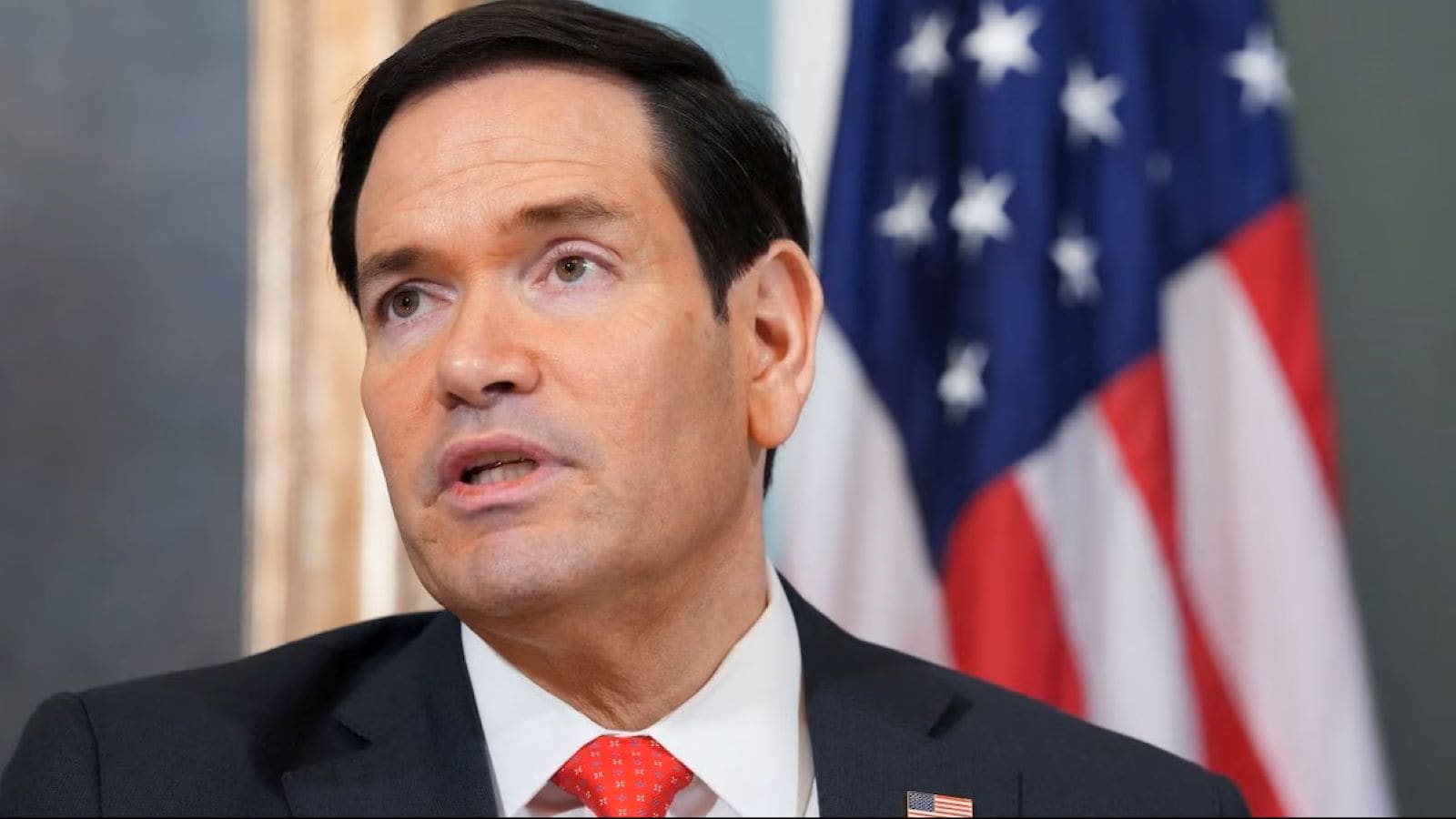
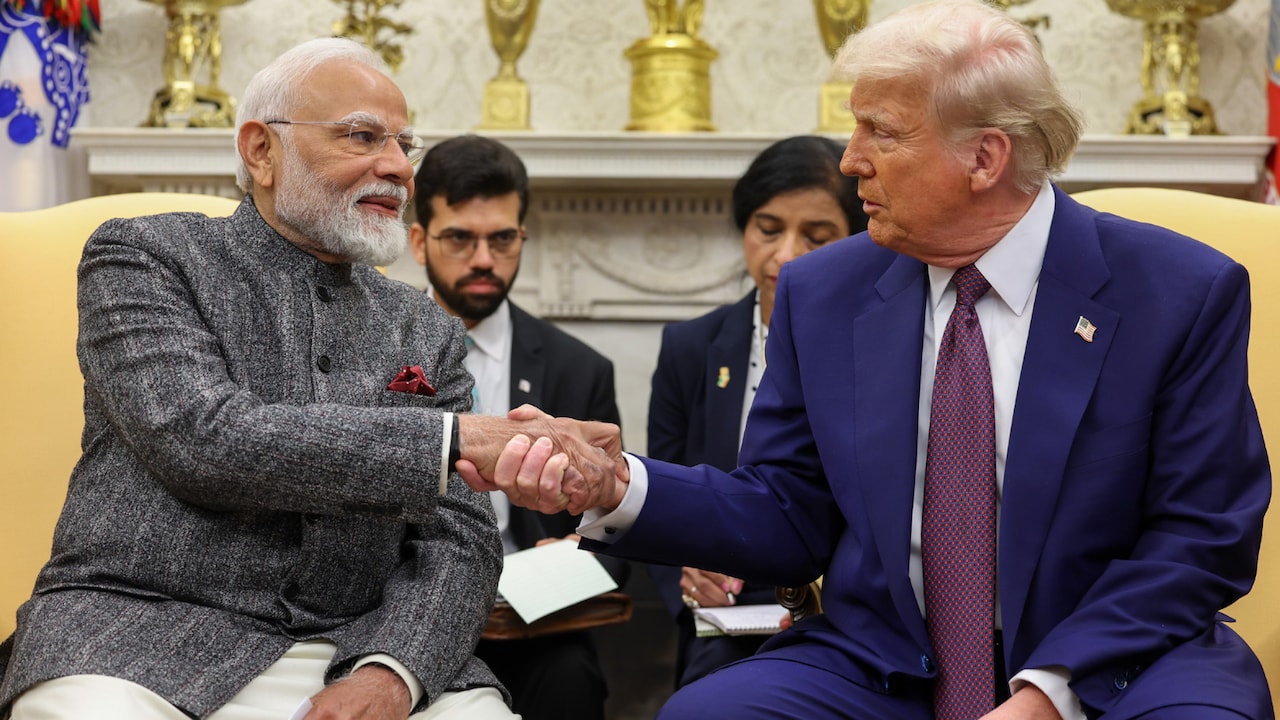
That five-word sentence from a senior US official speaking on the sidelines of the ASEAN Foreign Ministers meeting in Manila cuts through years of bureaucratic posturing. After endless back-and-forth negotiations, draft revisions, and geopolitical friction, Washington and New Delhi have practically finalized the text for their bilateral trade agreement. If the current timeline holds, leaders could sign the ink-fresh pact within three to four months.
So what's holding up the official signing ceremony right now?
It isn't a fundamental disagreement over trade barriers, tariffs, or market access between Indian Prime Minister Narendra Modi and US President Donald Trump. Both sides already cleared those hurdles. The actual bottleneck sits in administrative queue lines in Washington, specifically ongoing Section 301 trade investigations into unfair international practices across roughly 60 nations.
Once those administrative probes clear over the coming weeks, the procedural red tape dissolves. But while diplomats prepare their pens, businesses across pharmaceuticals, technology, agriculture, and manufacturing need to look past the political victory laps. The real story isn't just that a deal exists—it's how the shifting trade terms will reshape cross-border commerce overnight.
The Real Reason Behind the Delay
Most news coverage frames trade deals as fragile, highly contentious dramas where talks can collapse at any moment over a single line item. That simply doesn't fit the reality of where US-India trade negotiations stand today.
Negotiators finished the heavy lifting months ago. Back in February, Washington and New Delhi established a concrete framework for an Interim Agreement. That framework paved the way toward lowering US reciprocal tariffs on Indian exports to 18%—down from 25%—after New Delhi agreed to reduce purchases of Russian oil and grant better market access for American products.
The current delay is pure regulatory plumbing.
Section 301 of the US Trade Act of 1974 gives the US Trade Representative authority to investigate and respond to foreign trade practices deemed unfair or burdensome to American commerce. Washington is running a massive Section 301 investigation covering dozens of trading partners simultaneously. US trade officials won't sign off on specific bilateral agreements until those multi-nation reviews finish their formal record-keeping.
One of the largest probes is expected to wrap up within days. Once that docket closes, the executive branch gets the green light to roll out bilateral agreements across the board. India happens to sit right at the front of that line.
What Is Actually Inside the Agreement
Vague promises about economic cooperation don't help business leaders plan next quarter's supply chain budget. Concrete numbers and tariff structures do.
The upcoming bilateral agreement fundamentally resets the cost baseline for goods moving across the Pacific. Here are the core commitments built into the trade architecture:
- Industrial and Agricultural Tariffs: India agreed to lower or eliminate duties on a massive range of American industrial exports alongside agricultural goods. American farmers gain preferential access for tree nuts, dried distillers grains, fresh fruits, soybean oil, and specialty spirits.
- Reciprocal Tariff Adjustments: The US reciprocal tariff on Indian goods drops to 18%. This gives Indian exporters a clear price advantage over regional competitors who face higher baseline duties.
- Energy and Tech Commitments: New Delhi signaled plans to purchase over $500 billion worth of American energy, aircraft, coal, and advanced tech infrastructure over the next five years.
- Automotive Parts: Washington carved out preferential tariff rate quotas for Indian automotive component manufacturers, preserving supply lines for global car brands operating in North America.
- Digital Trade Rules: Both nations agreed to eliminate restrictive licensing hurdles for information and communication technology hardware while establishing standardized ground rules for cross-border data and cloud operations.
These terms mark a pragmatic compromise. Washington gets tangible export growth in agriculture and tech hardware, while India secures stable market access for its industrial base without surrendering control of its sensitive domestic farming sub-sectors.
The Elephant in the Room: Pharmaceutical Tariffs
While the bilateral agreement looks solid, a separate policy announcement from the White House created immediate ripples across the global healthcare sector.
President Trump announced that generic drugs entering the US market will remain duty-free for two years starting August 1. However, once that grace period ends, imported generic pharmaceuticals will face a steep 100% tariff for 12 months, jumping to 200% after that.
That timeline matters immensely to India.
India serves as the pharmacy to the world, exporting $25.8 billion in pharmaceutical products globally in 2025. Nearly $9.7 billion—roughly 38%—of those exports went straight to the US market. Indian generic manufacturers supply roughly four out of every ten prescription drugs consumed in American hospitals and pharmacies.
The two-year tariff exemption on generics gives Indian drugmakers a vital window to adjust, but the eventual 100% and 200% levies signal a hard push toward domestic US drug manufacturing.
Indian pharma executives shouldn't panic just yet, but they must act fast. The two-year buffer offers enough time to set up US-based finishing facilities, contract manufacturing partnerships, or joint ventures. Companies that use this window to localize portions of their supply chain will survive the tariff jump. Those that rely solely on shipping finished tablets from Hyderabad or Ahmedabad face severe margin compression down the road.
Beyond Tariffs: Rules of Origin and Supply Chains
Lowering tariffs is only half the battle. The fine print in this agreement focuses heavily on stricter rules of origin.
Washington wants to prevent third-party nations—particularly China—from routing cheap components through India, performing minimal assembly, and shipping finished goods into the US under lower Indian tariff rates. The new text includes tight origin verification rules.
For Indian manufacturers, this requirement presents both a challenge and a massive structural opportunity:
- You can no longer rely on heavy sub-assembly imports from non-partner nations if you want to qualify for the 18% tariff rate.
- Local value addition must increase significantly across electronics, machinery, and textiles.
- Supply chain transparency becomes a mandatory compliance metric rather than a nice-to-have feature.
Companies that build robust compliance systems to trace raw materials back to their source will win big. They can offer American buyers fully compliant products that bypass broader trade disputes affecting rival Asian manufacturing hubs.
How Businesses Should Prepare Right Now
Waiting for official signatures in three or four months is a mistake. Smart operators are moving today to align their business strategies with the new trade terms.
Here is an actionable checklist for leadership teams on both sides of the ocean:
- Audit Your Tariff Classifications: Review all product codes moving between the US and India. Identify which specific line items benefit from the lowered 18% reciprocal rate or preferential agricultural quotas.
- Review Origin Documentation: Examine your tier-one and tier-two suppliers. Ensure your manufacturing process adds enough local value to pass strict origin verification audits once the deal takes effect.
- Restructure Pharma Supply Lines: If you operate in the generic drug space, use the two-year duty-free window to negotiate long-term supply contracts or invest in US-based distribution and finishing facilities.
- Capitalize on Tech and Data Center Demand: Indian tech firms and data center operators should prepare for influxes of American hardware, GPUs, and enterprise technology as import licensing barriers lift.
- Lock in Long-Term Procurement Agreements: US buyers sourcing from India should lock in multi-year supply contracts now to capture the cost advantages before competitors flood the newly streamlined export pipeline.
The US-India economic relationship is shifting from endless negotiation to tactical execution. The paper is ready. The terms are set. The companies that move quickly today will capture the lion's share of market growth tomorrow.