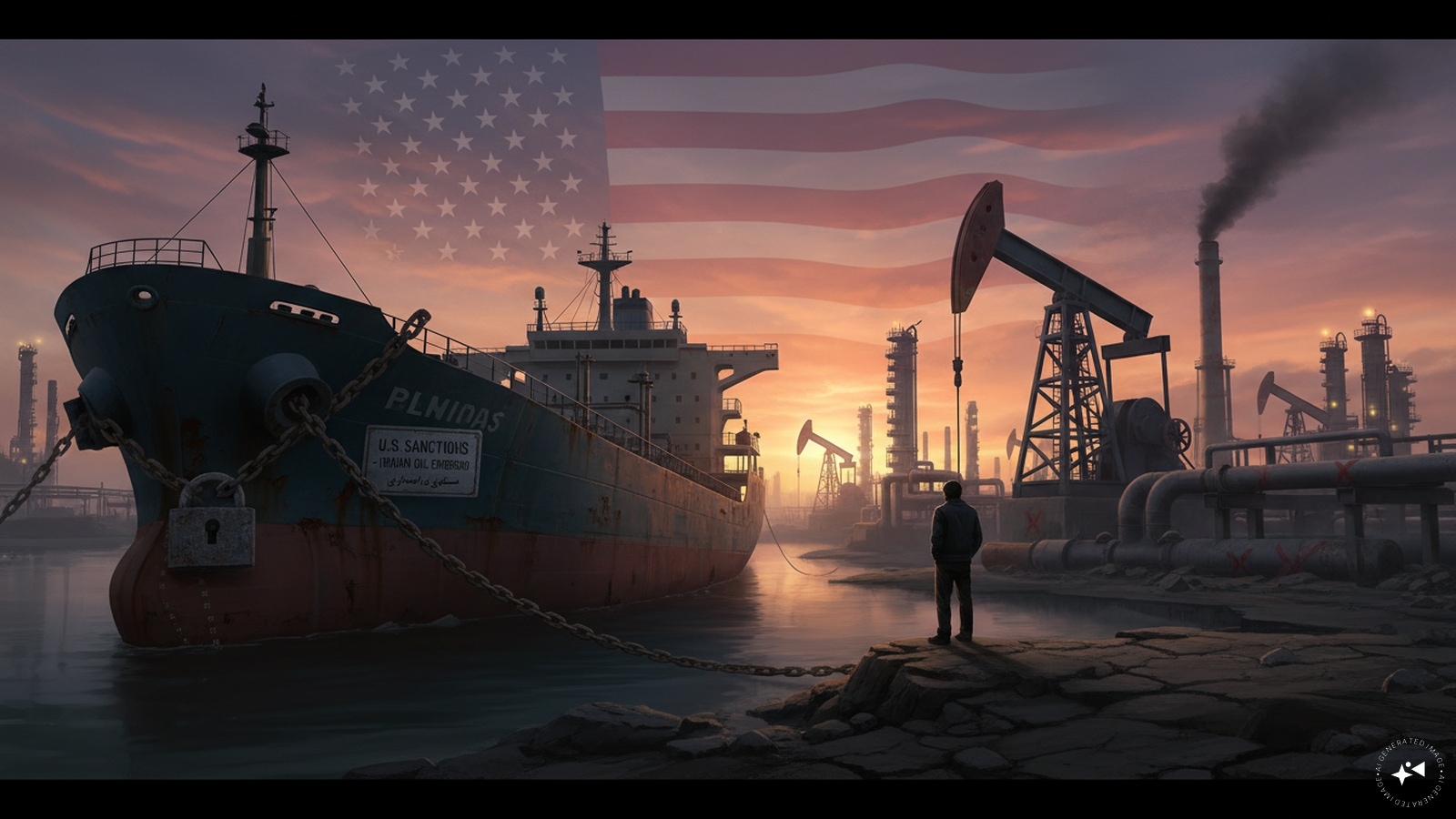
Diplomats built a fragile truce. It lasted less than three weeks. The Pakistan-mediated deal between Washington and Tehran is effectively dead.
The US Treasury Department's Office of Foreign Assets Control just tore up General License X. That was the crucial waiver allowing Iran to sell its crude oil on the international market. The rollback comes less than twenty days after both sides signed the Islamabad Memorandum of Understanding on June 18, 2026. Tehran is furious. Washington says its hands were forced.
This isn't just a minor diplomatic hiccup. It's a complete breakdown of a framework designed to end hostilities. The sudden escalation has sent shockwaves through energy markets and immediately triggered military action in the Persian Gulf. Here is exactly what went wrong, why the deal imploded, and what happens next.
The Fuel Behind the Fallout
The core of the dispute centers on Paragraph 10 of the Islamabad MoU. Under that specific clause, the US committed to easing its crushing economic chokehold by issuing temporary waivers on Iranian crude and petrochemical exports. The goal was simple: provide Iran economic breathing room in exchange for a sustained ceasefire, paving the way for a permanent peace deal.
The US Treasury complied on June 21 by issuing General License X. It was supposed to run through late August. Instead, the US abruptly revoked it, replacing the authorization with a restrictive "wind-down" order labeled General License X1. Companies now have until July 17 to halt all active transactions. Any revenue generated from existing orders won't go to Tehran either. It's headed straight into blocked, interest-bearing escrow accounts.
The US claims Iran blew up the agreement first. According to the White House and US Central Command, the Islamic Revolutionary Guard Corps targeted and attacked three commercial oil tankers transiting international waters in the Strait of Hormuz.
American officials explicitly stated that the Islamabad agreement was entirely performance-based. If you don't behave, you don't get the economic benefits.
Tehran Blames Washington and Regional Proxies
Iran isn't accepting that narrative. The Iranian Ministry of Foreign Affairs issued a scathing condemnation, accusing the US of bad faith, chronic instability, and deep-seated unreliability.
Iranian Deputy Foreign Minister Kazem Gharibabadi took to social media to state that Tehran acted in complete good faith, utilizing all its internal capacities to honor the ceasefire. From Iran's perspective, the US was looking for any pretext to back out of its commitments.
Tehran is also linking the collapse to broader regional conflict. In its official statement, the Iranian foreign ministry alleged that the US committed multiple violations of the MoU, both directly and indirectly, through Israeli military operations against Lebanon. Tehran views those actions as a direct assault on the spirit of the Pakistan-mediated truce.
Explosions in the Strait of Hormuz
This diplomatic collapse isn't confined to press releases. The immediate fallout is kinetic.
As soon as the Treasury Department cancelled the oil waiver, US Central Command launched a series of powerful military strikes inside Iran. CENTCOM stated the strikes were designed to impose heavy costs for the maritime attacks on civilian crews.
Local reports confirm the scale of the retaliation. Multiple explosions rocked southern Iranian port cities, including:
- Sirik Port: Projectiles struck commercial and fishing piers, causing significant structural damage.
- Bandar Abbas: Blasts occurred on both the eastern and western outskirts of this critical naval hub.
- Qeshm Island: Residents reported massive detonations near the strategic island overlooking the shipping lanes.
What This Means for Global Energy Security
If you think this is just a localized spat, look at the oil tickers. The Strait of Hormuz is the world's most critical oil chokepoint. Roughly a fifth of global petroleum consumption passes through this narrow body of water every day.
By revoking General License X, the US is removing legal Iranian barrels from an already tight market. Combine that with active drone and missile strikes hitting port infrastructure, and you have a recipe for severe market volatility. Shipping insurance rates for tankers operating in the Persian Gulf are expected to skyrocket overnight. Some fleets might avoid the region entirely.
What Happens Next
The path forward is incredibly dangerous. Iran explicitly warned that Washington will bear full responsibility for the consequences of this breach, stating it will take any decisive measures necessary to protect its national security.
Don't expect a quick return to the negotiating table. To protect your business or portfolio from the immediate fallout, you need to monitor three specific indicators:
- Escrow Dispute Clashes: Watch whether European or Asian buyers attempt to clear pending oil payments before the July 17 wind-down deadline, or if the funds become permanently frozen.
- Maritime Insurance Surcharges: Monitor Lloyds of London and war-risk insurance premiums for ships entering the Gulf of Oman. If they spike, consumer fuel prices will follow.
- Retaliatory Cyber or Proxy Actions: Look out for asymmetrical responses from Tehran, particularly targeting regional energy infrastructure or shipping networks outside the immediate strike zone.
The Islamabad MoU promised a cooling-off period. Instead, the region is right back where it started: locked in an aggressive cycle of economic warfare and direct military engagement.