Every time tensions spike in the Middle East, the headlines scream about World War III. We see the videos of missile launches, the fiery speeches, and the terrifying tickers on the news. Honestly, it feels like we're always one bad decision away from a catastrophic, total war.
But behind the scary rhetoric, the reality is much more calculated. Washington and Tehran are locked in a dangerous dance, but neither side wants to fall off the cliff. They aren't avoiding a massive war because they suddenly like each other. They're avoiding it because a full-scale military conflict would be absolute suicide for both regimes.
The real story isn't about accidental escalations. It's about a cold, rational assessment of survival.
The Math Behind Iranian Restraint
Tehran's leaders are loud, but they aren't stupid. They know exactly how a conventional war with the US ends. The American military machine would absolutely gut Iran’s conventional forces, flatten its air defense systems, and destroy its economic infrastructure. The Islamic Revolutionary Guard Corps (IRGC) talks a big game, but their main goal isn't martyrdom. It's staying in power.
Instead of fighting a war they know they'd lose, Iran uses asymmetric warfare. Think of it as death by a thousand cuts. They rely on their network of regional proxies to do the dirty work. This gives Tehran a layer of deniability while keeping the fight far away from Iranian soil. They hit a tanker here, launch a drone there, and keep the US off-balance without triggering a direct invasion.
A ground war against Iran is a logistical nightmare anyway. The country has a population of over 90 million and a brutally mountainous terrain that makes it a natural fortress. A real invasion would require hundreds of thousands of American troops, cost trillions of dollars, and face an insurgency that would make post-2003 Iraq look like a walk in the park. Iranian leaders know this. They know the threat of a costly, bloody quagmire is their best shield.
Why Washington Keeps the Brakes On
On the flip side, the US has zero appetite for another massive Middle Eastern war. Public opinion at home is fiercely anti-war. Americans are exhausted by decades of endless conflicts that cost trillions of dollars and thousands of lives without delivering clear victories. Any president who drags the country into a massive ground war with Iran is looking at political suicide.
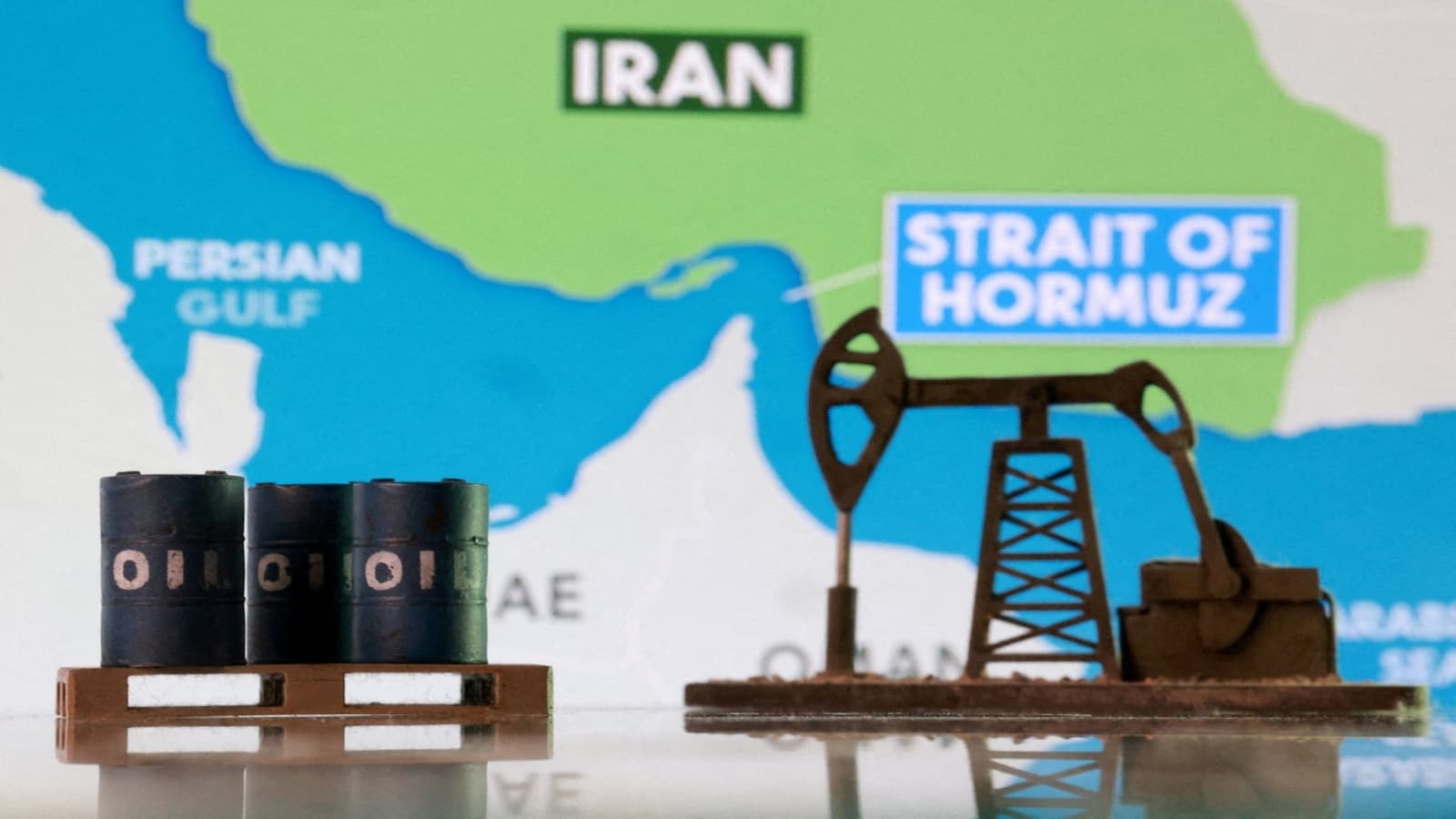
Then there's the global economy. The Strait of Hormuz is a narrow bottleneck through which roughly 20% of the world's maritime oil and gas passes. If a real war breaks out, Iran can easily shut it down using anti-ship missiles, mines, and fast-attack boats. We've seen brief supply disruptions before, but a total shutdown would trigger a massive global energy crisis. Oil prices would skyrocket, inflation would surge, and the global economy would tank. Washington simply can't afford that chaos.
Look at the historical precedents. When the US took out high-ranking figures like Qasem Soleimani, or when direct military strikes hit Iranian-backed targets, the retaliations were carefully calibrated. Iran fired missiles at US bases, but they gave advance warnings to minimize casualties. The US launched retaliatory strikes, but they targeted empty warehouses or isolated proxy outposts. It's a violent, theatrical performance designed to save face without crossing the line into a general war.
What Happens Next
Don't expect peace anytime soon. The cycle of low-level strikes, cyberattacks, and proxy skirmishes will continue indefinitely. It's a permanent state of gray-zone conflict. The best way to understand this tension is to ignore the frantic media commentary and watch the actual parameters of the strikes. If the targets remain limited to proxy forces and isolated military assets, the status quo holds. Keep an eye on global oil futures and shipping insurance rates in the Persian Gulf. Those numbers tell you what the markets actually think, and right now, they're betting on a tense, messy standoff rather than an all-out apocalypse.